Harvard researcher joins lawsuit against NIH grant clawbacks

Add Axios as your preferred source to
see more of our stories on Google.
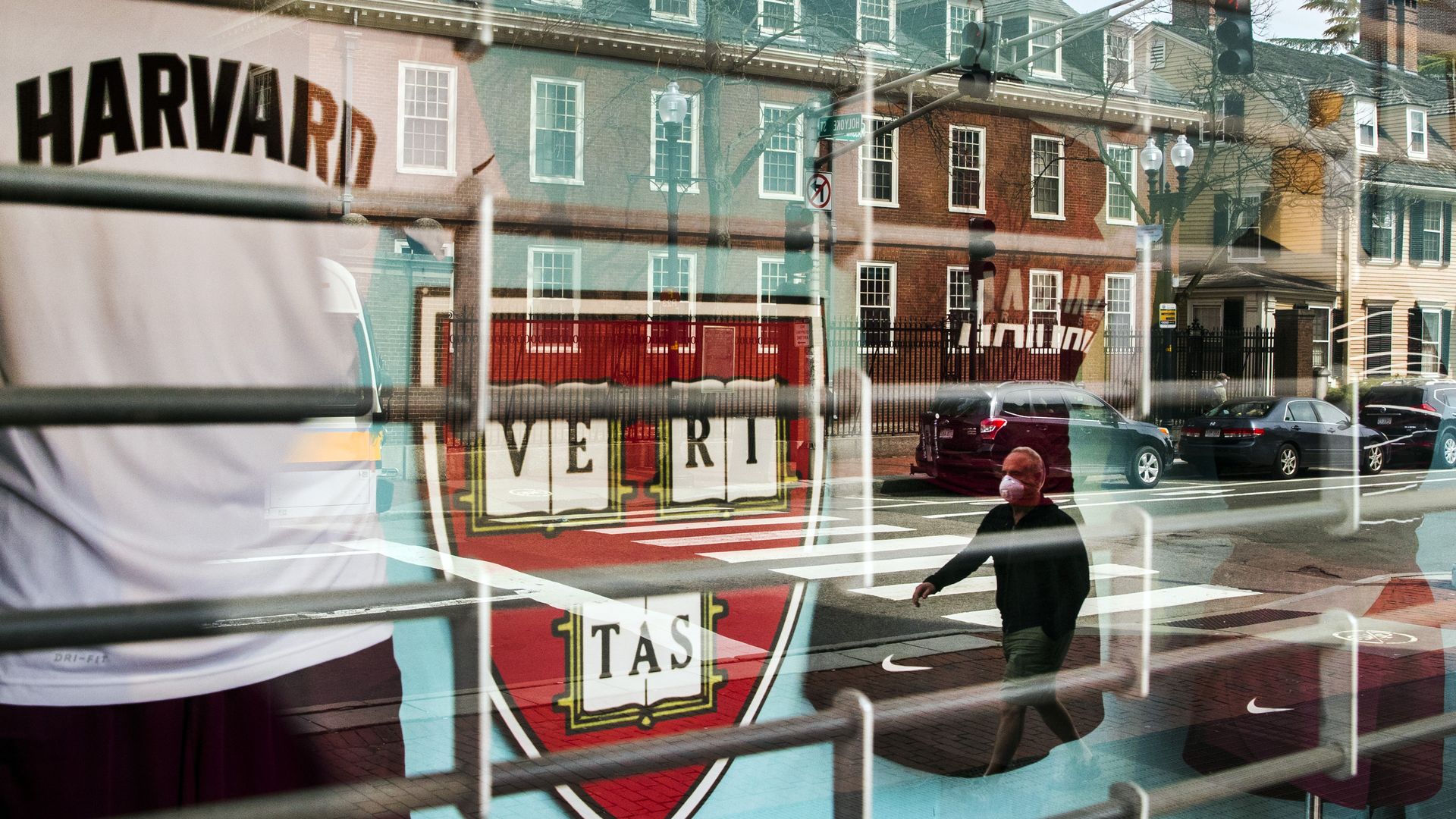
Harvard University. Photo: Adam Glanzman/Bloomberg via Getty Images
A Harvard University researcher is part of a coalition of academics suing to block the Trump administration's efforts to claw back research grants.
Why it matters: The researchers behind the lawsuit say the National Institutes of Health cuts are unconstitutional and can thwart medical breakthroughs in preventing, detecting and treating life-threatening illnesses.
Driving the news: Attorneys filed a complaint Wednesday in Boston federal court on behalf of four researchers, including Harvard associate professor Brittany Charlton.
- The American Public Health Association and UAW, the union representing higher education employees, also joined as plaintiffs.
- The coalition wants a federal judge to deem the NIH grant cuts unconstitutional and force the Trump administration to restore the grants, per the complaint.
Zoom in: Charlton, the founding director of the LGBTQ Health Center of Excellence at the Harvard T.H. Chan School of Public Health, helped launch the center last year with several research projects in the works.
- Charlton says she has lost five NIH grants since February because they "no longer effectuate agency priorities," per the complaint.
Friction point: Attorneys representing the researchers argue the abrupt notices terminating the grants violate Human Health and Services regulations.
- They also say the Trump administration has vaguely cited executive orders on gender and diversity, equity and inclusion, which have since been blocked by the courts.
- An NIH spokesperson declined to comment because the matter involves pending litigation.
What they're saying: "This is an attack on scientific progress itself," Charlton said in a statement. "Important discoveries and treatments will be delayed, putting lives at risk."
Zoom out: More than $2.4 billion in recently cut grants are at stake, per the complaint.
- That includes $1.3 billion in grants spent on projects that were stopped midway.
What we're watching: If a judge agrees to restore the grants — and if the NIH responds to such orders, unlike other agencies.