Inside Boston's blue tech hive mind

Add Axios as your preferred source to
see more of our stories on Google.
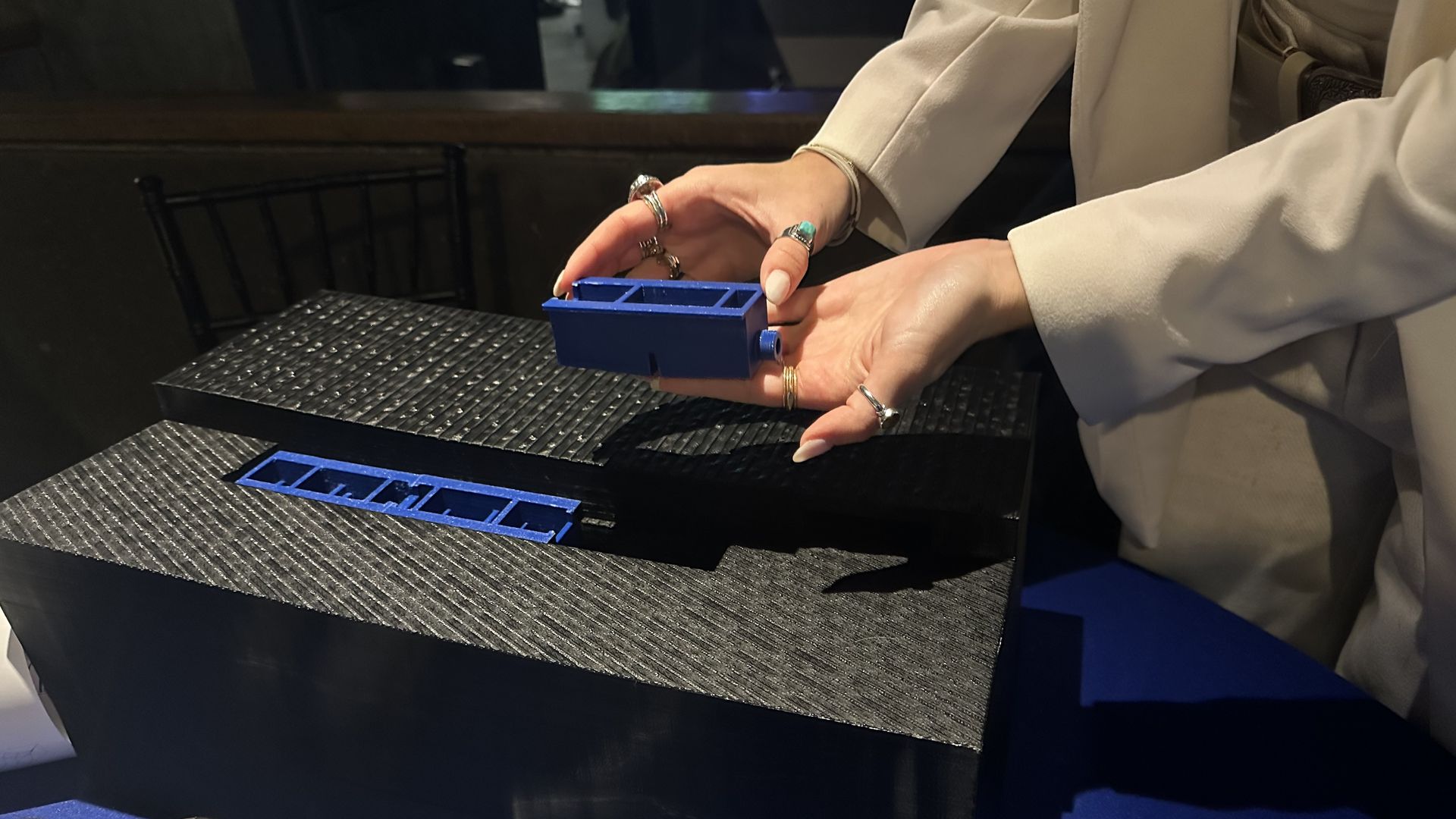
Navy McKee demos her stormwater filtration system as part of the latest BlueSwell cohort. Photo: Steph Solis/Axios
Navy McKee remembers all the times she wasn't allowed to swim in the water as a child in Hawaii, not realizing it was due to contamination.
- Years later, she's standing in the New England Aquarium, pitching a stormwater filtration system to catch pollutants.
Why it matters: McKee's company, Kai Pono, is one of seven in the aquarium's BlueSwell incubator cohort, pursuing blue tech as investors are coming around to the sector.
The big picture: Investors are starting to realize that blue tech, a sector that focuses on marine ecosystems, can be profitable.
- The blue economy has seen a 300% increase in funding worldwide over the past six years, and it's now on par with the gaming, travel and education industries in terms of market size and investor interest, per European data provider Dealroom.co.
Yes, but: The Trump administration's widespread cuts to federal funding and staff at the National Oceanic and Atmospheric Administration could deal a blow to research efforts across the industry in the U.S.
What they're saying: "The biggest takeaway for me is the importance of private capital in making and building companies like this," said Alissa Peterson, CEO of SeaAhead, the company that launched the incubator program with the aquarium.
- Both capital investments and philanthropic donations will be needed to fill the gap that may emerge in research and development funding, Peterson said.
State of play: This year's cohort had seven members, who developed products to address urban runoff, natural disasters and other issues.
Kai Pono
- McKee and her father, Dan McKee, who has an engineering background, created a flood-proof stormwater filtration device.
- Kai Pono, based in San Diego, has three pending contracts, McKee says.
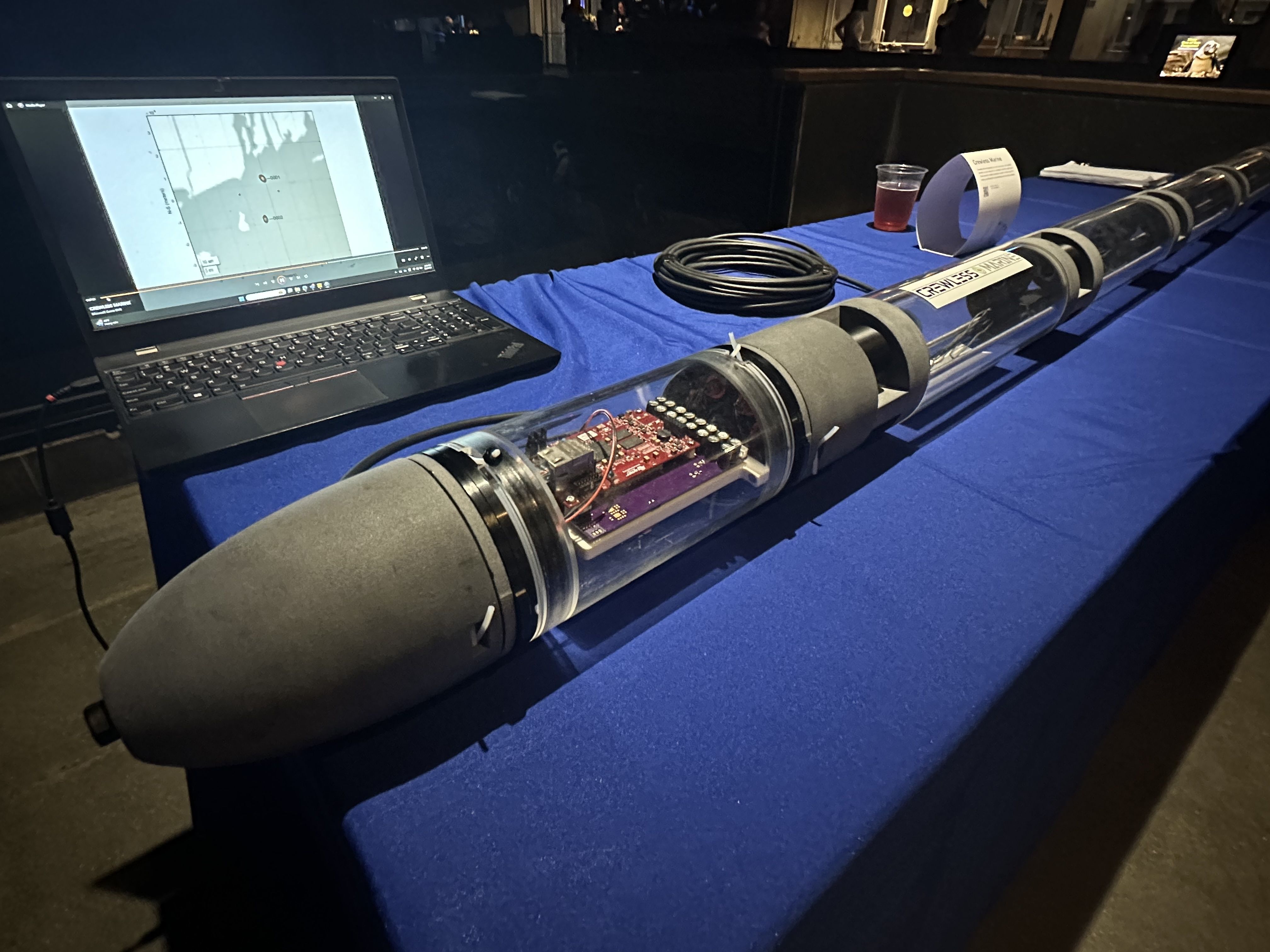
Crewless Marine
- The Rhode Island-based team created a device with an acoustic sensor to monitor underwater activity, from signs of illegal fishing to submarines.
- They're seeking grant funding, accelerators and other opportunities, says co-founder Steve Bordonaro.
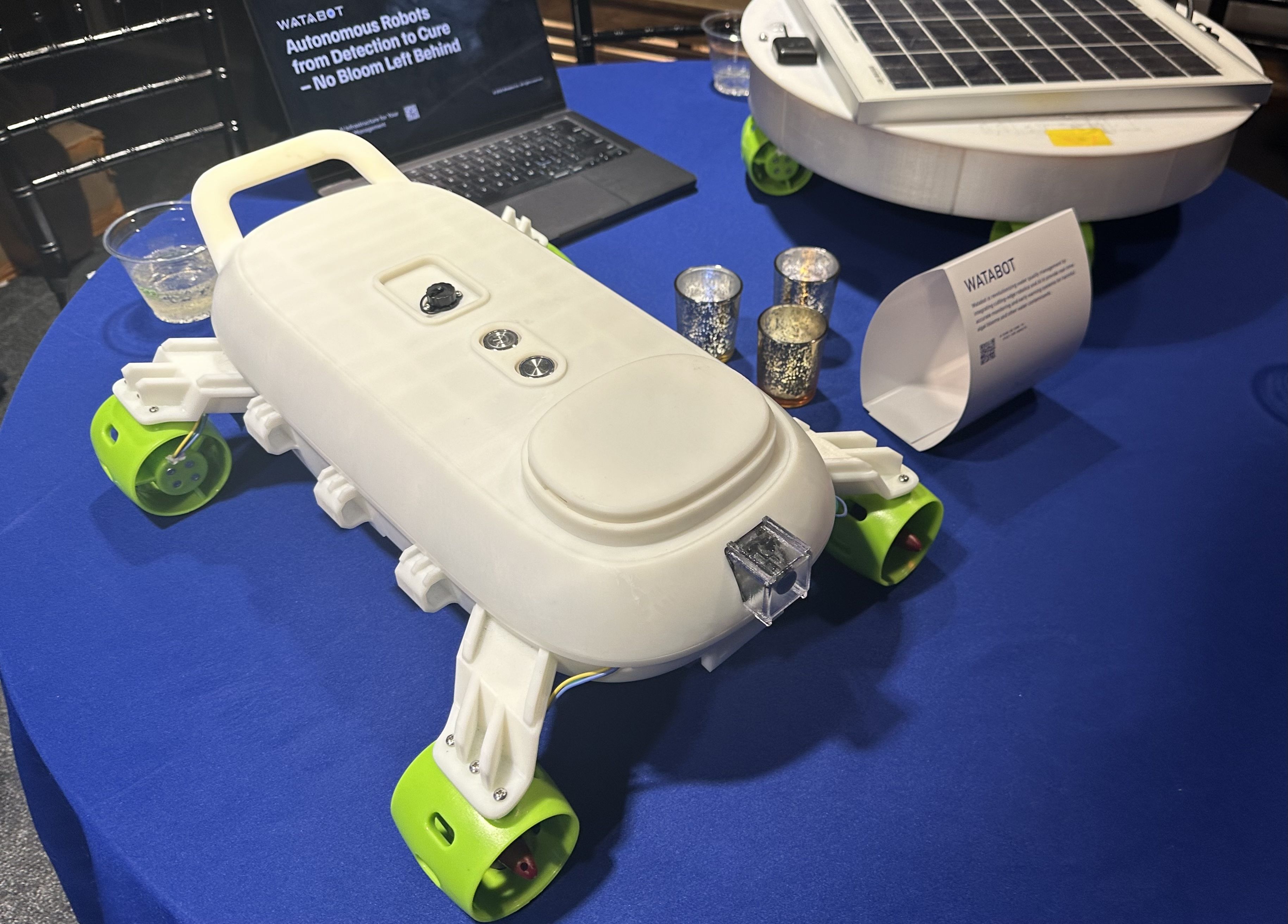
Watabot
- Watabot built an autonomous robot that uses a sensor and AI to detect early signs of an algae bloom and treat it before it takes over an entire lake or pond.
- The company plans to launch a pilot in September. In the meantime, the team is exploring eco-friendly alternatives to chemically treating algae blooms, says co-founder Qinmin Zheng.
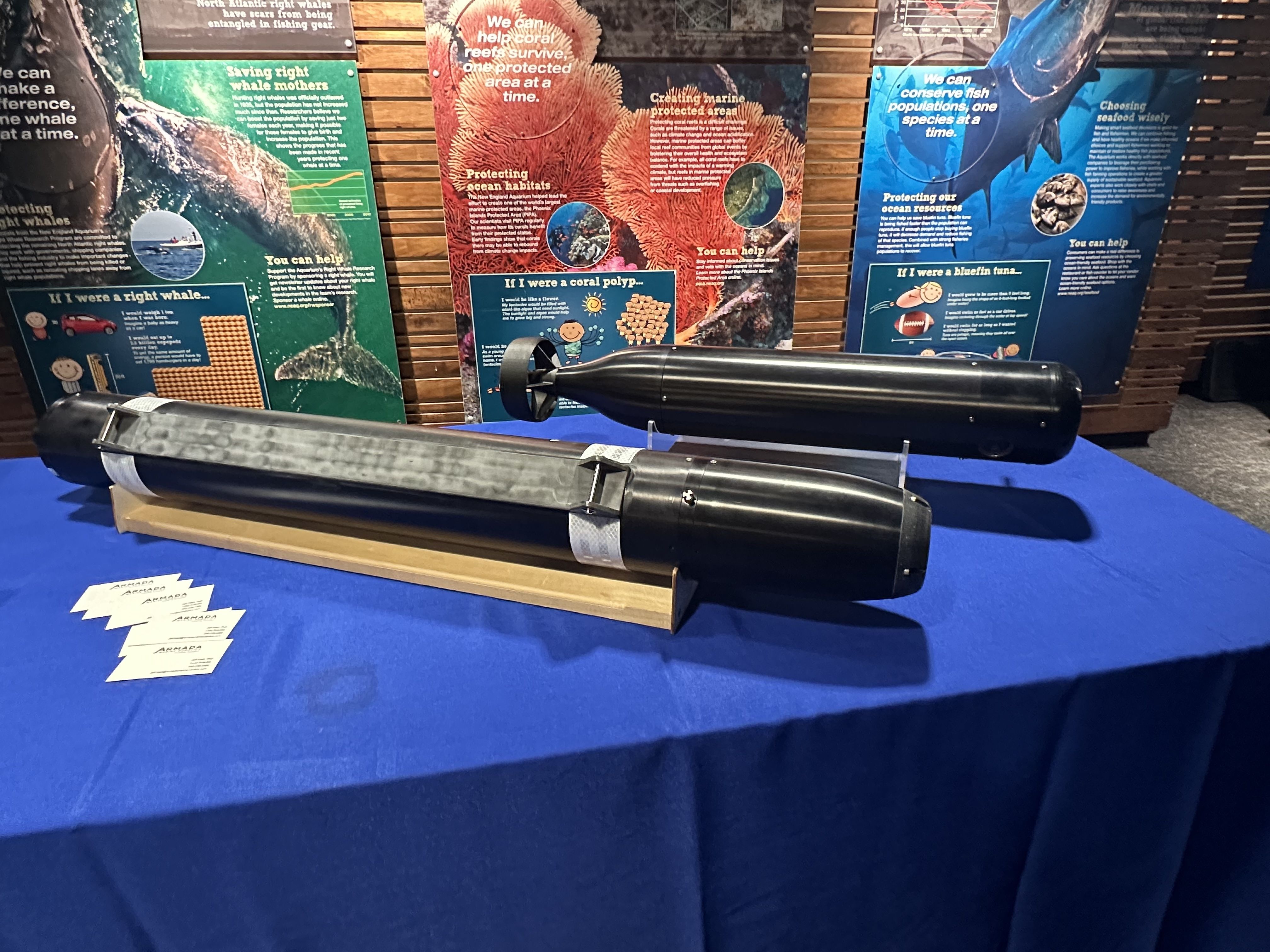
Armada Marine Robotics
- This East Falmouth-based company created unmanned vehicles that can perform both large-area surveys and close-up inspections.
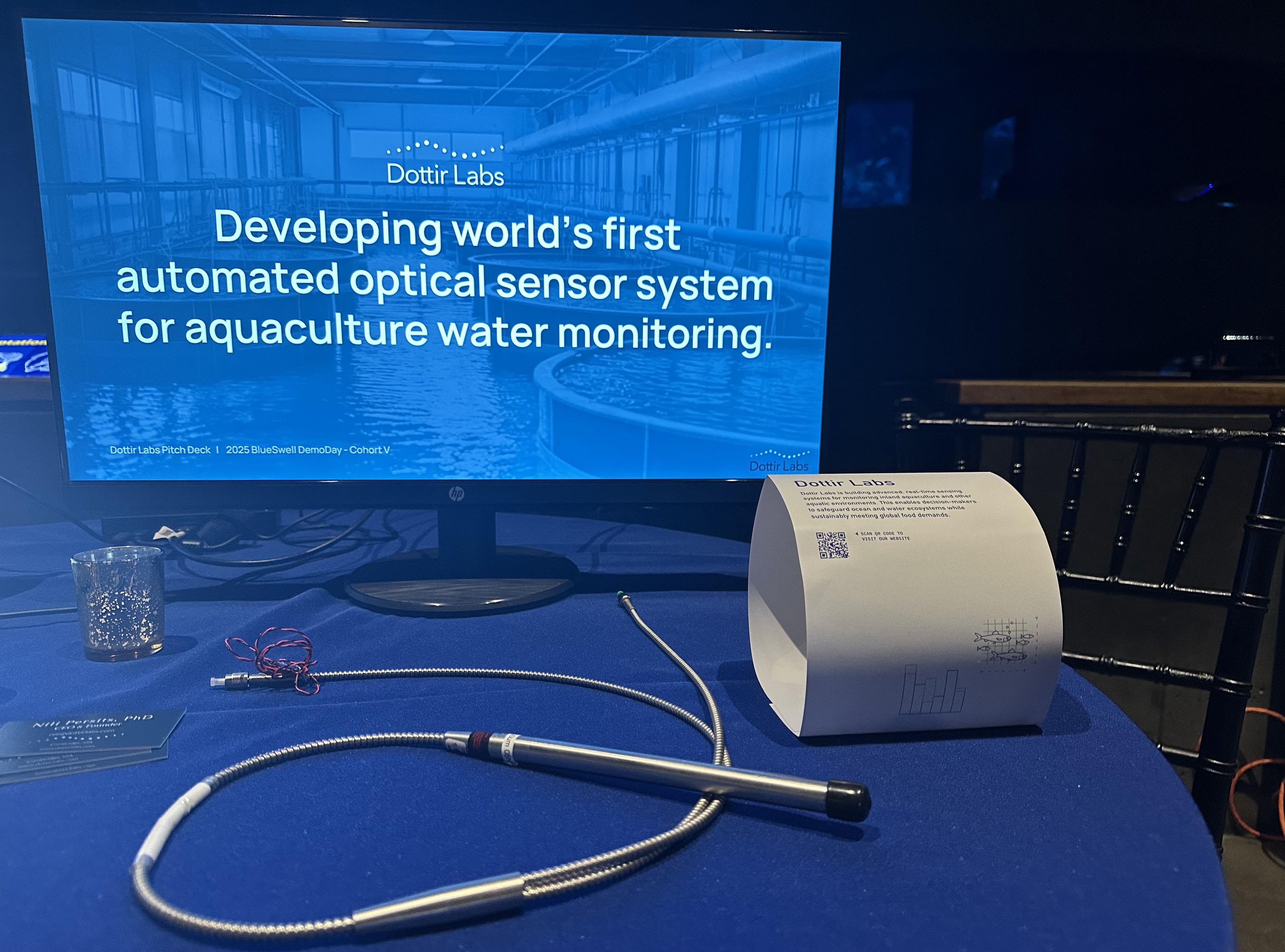
Dottir Labs
- The Boston-based company created a sensor system that detects pollutants and signs of disease to prevent changes that could kill farm-raised seafood.
- Dottir plans to launch a pilot this year.
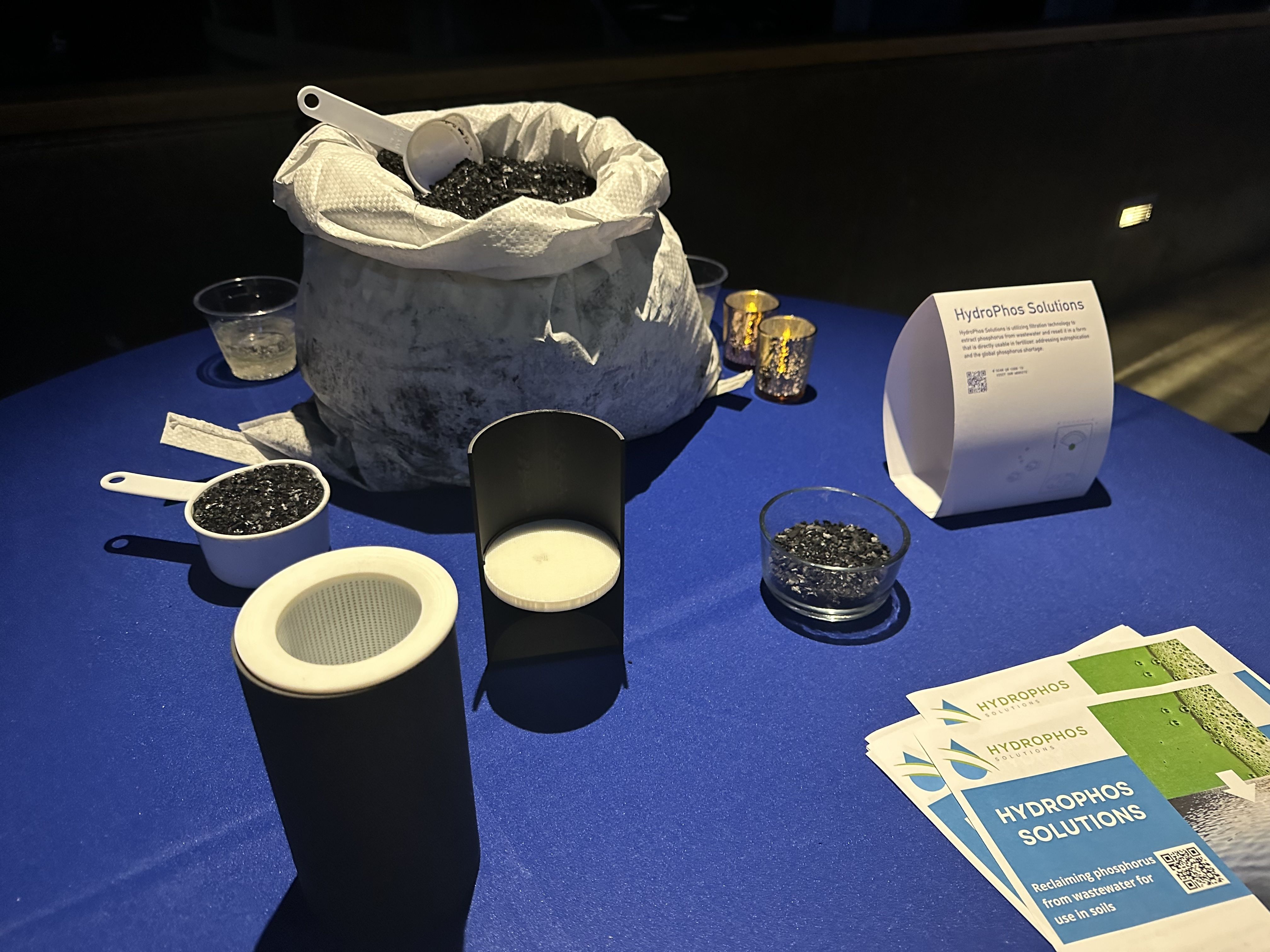
HydroPhos Solutions
- HydroPhos created a system that pulls phosphorus out of wastewater using biochar. The biochar is then sold to farmers as fertilizer.
- The New Hampshire-based company has tested wastewater at Harpoon Brewery and plans to start a pilot soon with Michigan-based Mammoth Distillery.
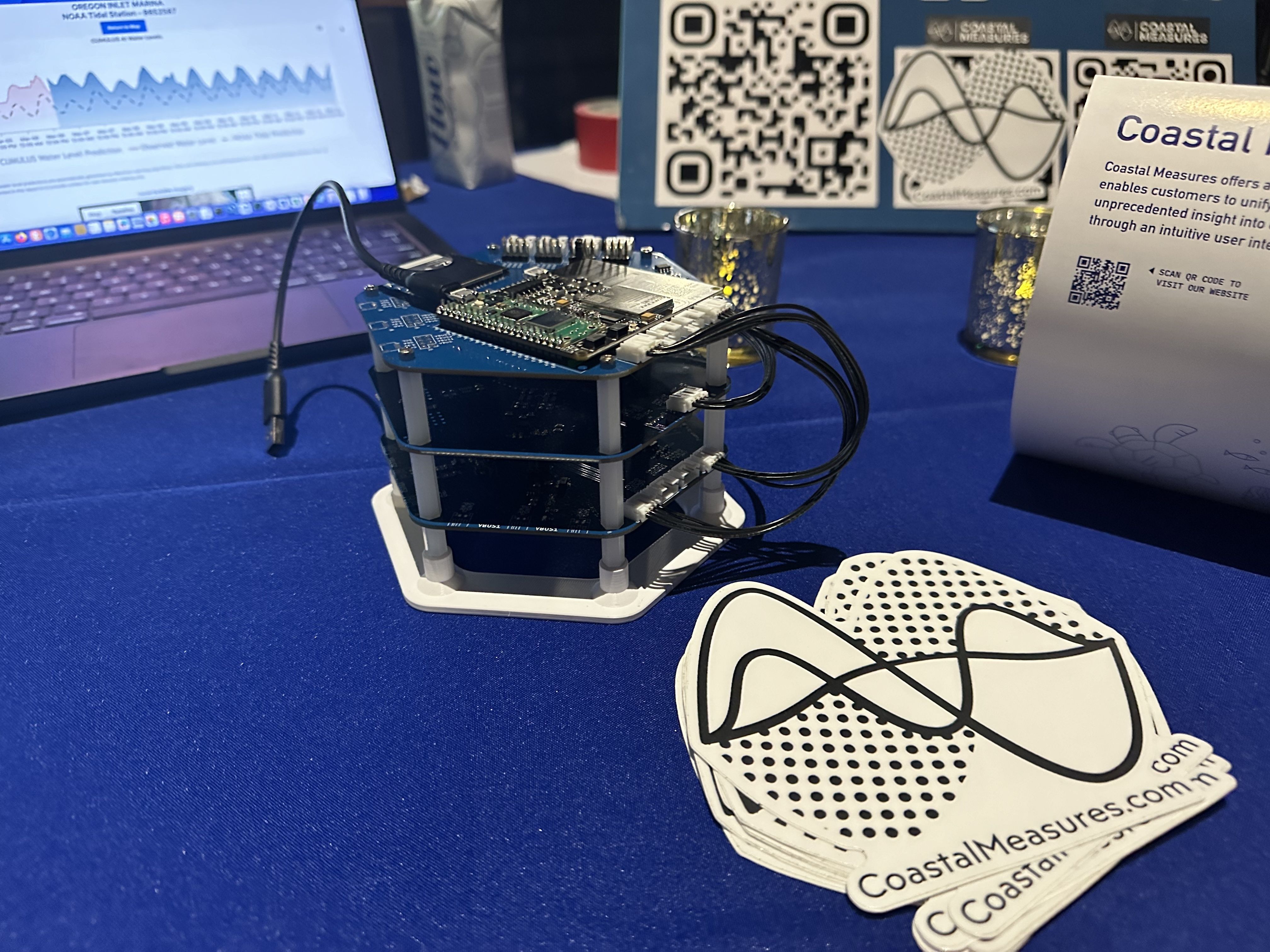
Coastal Measures
- The New Hampshire-based company created a platform to analyze data from different systems to monitor weather patterns.
- The platform can identify potential weather changes, from red tides, which are toxic to oysters, to hurricanes and other natural disasters, says co-founder and CTO Neil Schonwald.