How Salem's Halloween became New England's spooky Mardi Gras

Add Axios as your preferred source to
see more of our stories on Google.
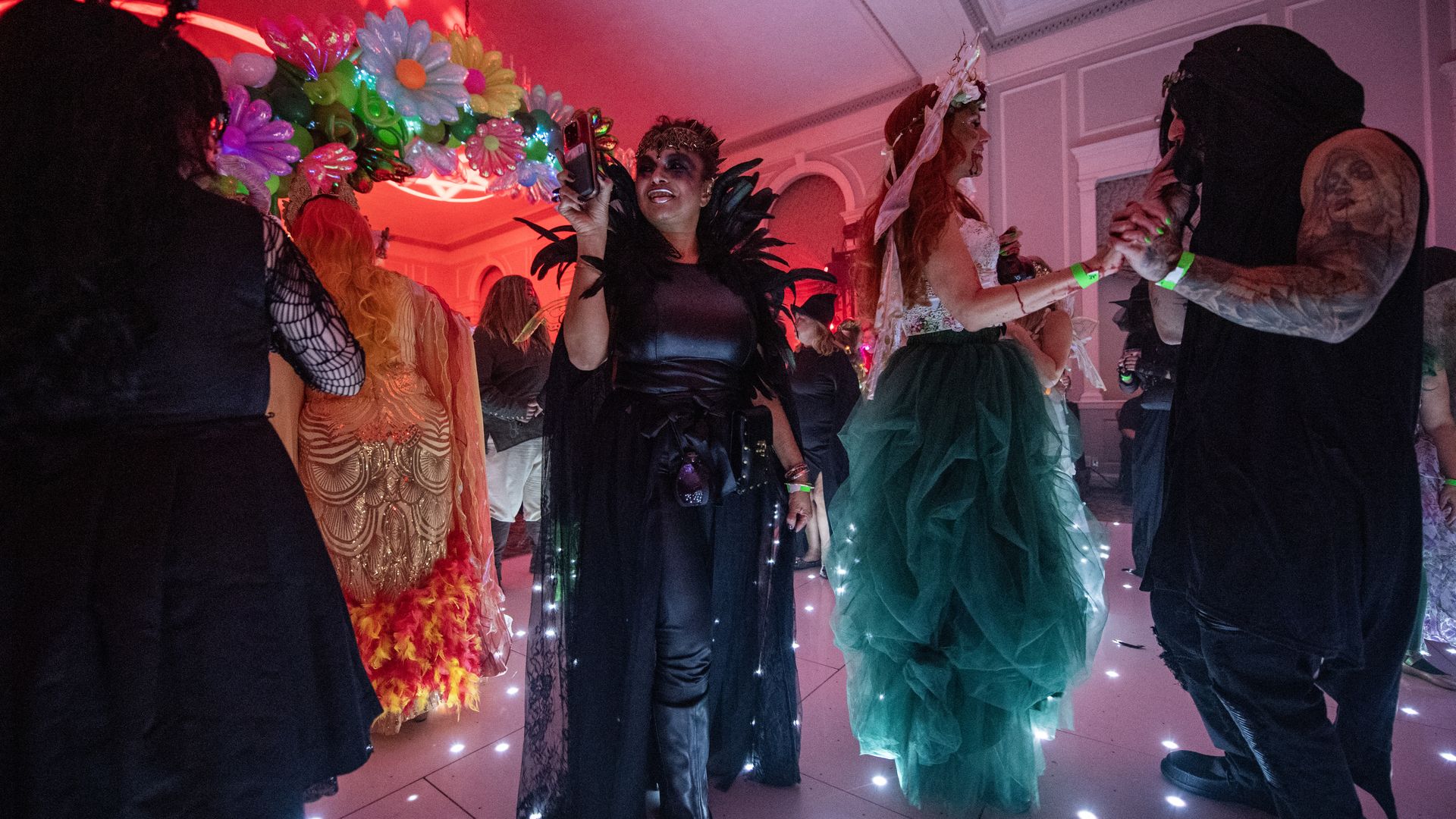
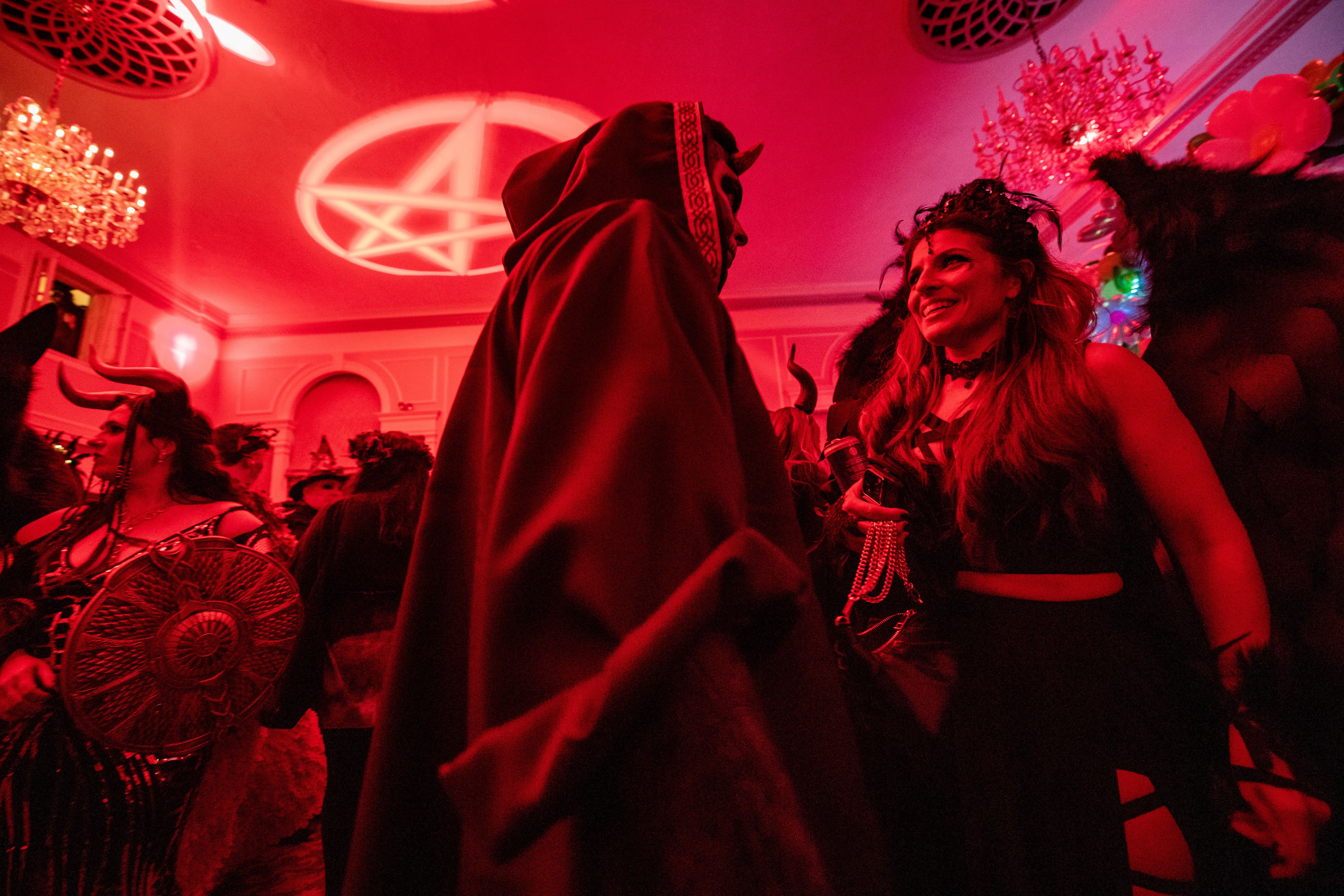
Revellers take part in the Salem Witches' Halloween Ball 2024 on Friday. Photo: Joseph Prezioso / AFP via Getty Images
Throngs of tourists are flocking to Salem this week to party, connect and embrace the macabre aesthetic that's the cornerstone of the Halloween season.
Why it matters: Some Salem residents may gripe that their town of 45,000 gets overrun every October, but it's undeniable that the Halloween season is an enormous economic boost for the port city.
- Salem's focus on confronting a difficult history, teamed with clever marketing and the explosion of the holiday into a mainstream cultural force, has made Salem the country's go-to spot for Halloween revels.
- 1.2 million visitors are expected to visit Salem this month.
The big picture: Salem got its witchy reputation thanks to the very real 1692 hysteria in which Puritan townspeople turned against one another and executed 20 of their neighbors.
- The 1980s saw the town confront the past and reinvent itself into a tourist destination with a unique cultural brand.
- The Haunted Happenings festival began in 1982 and grew from a small fair to a monthlong celebration that's the heart of the season.
- Disney's "Hocus Pocus" came in 1993 and cemented the city's reputation for kitsch and campy spookiness.
Put a witch on it: There's not much that can't be spookified by Salem's army of costumed tour guides, docents, bartenders and street performers.
- Cookbooks become spellbooks, bar-crawls become horror tours and corn husk brooms become $75 souvenirs.
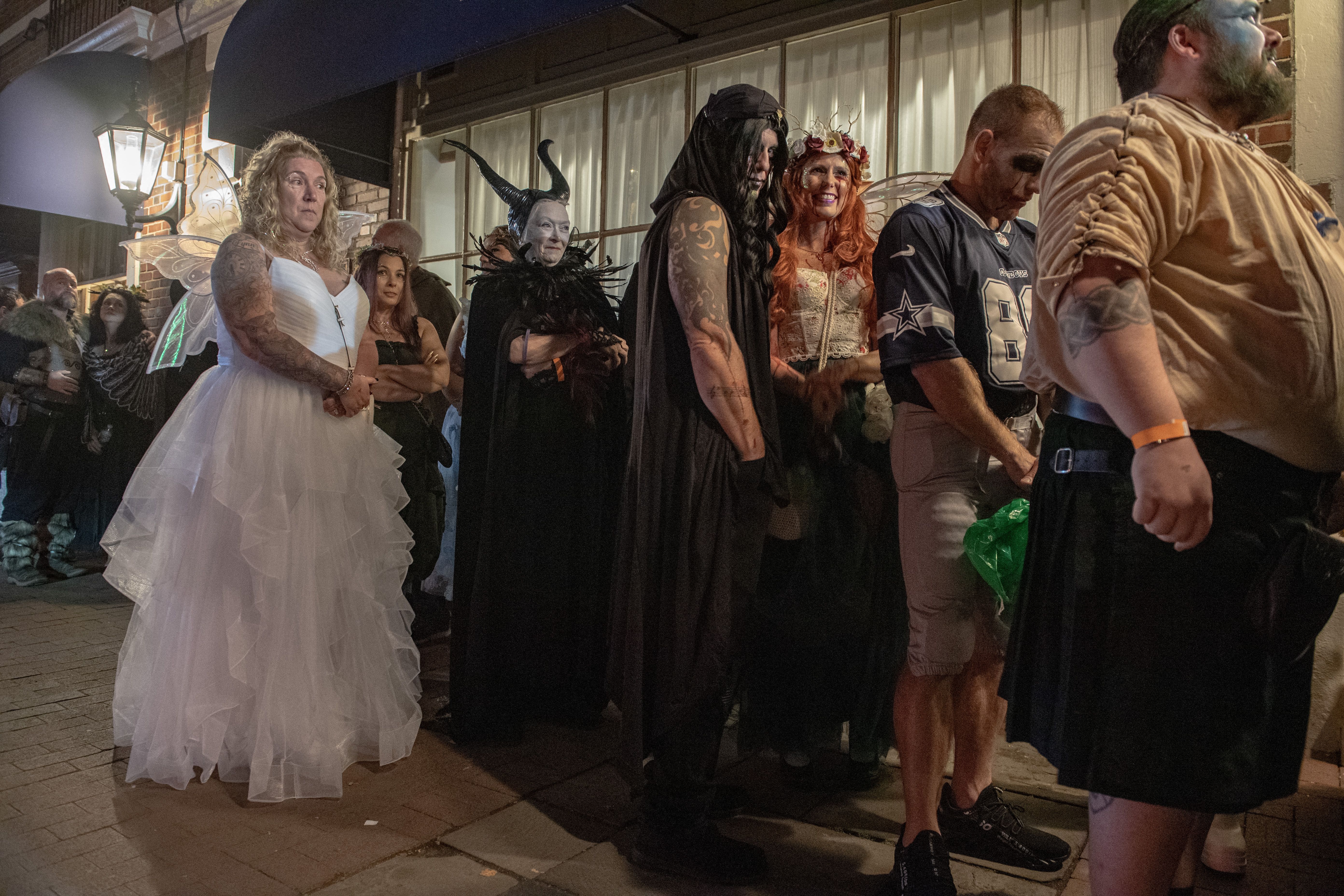
Between the lines: There's more than just camp on display in Salem. Museums tell the Puritan story and honor the victims of the witch trials while supernatural-themed bars, exhibits and gift shops cater to the more esoteric crowds.
- Modern Wiccan and pagan communities have gravitated to Salem. It's even the home of the country's leading Satanic Temple.
- Salem's also the site of the House of the Seven Gables and the Witch House, the only 17th-century home still standing with ties to the trials.
What's next: As the Halloween celebration gets bigger every year, city officials face the problem of managing the growing crowds while preserving the city's charm and historical character, not to mention the sanity of its year-round residents.
The bottom line: There's no better example of a community turning a 300-year-old tragedy into a commercial success, and likely no better place for Halloween-obsessed partiers to find each other.