Why Massachusetts is suing TikTok

Add Axios as your preferred source to
see more of our stories on Google.
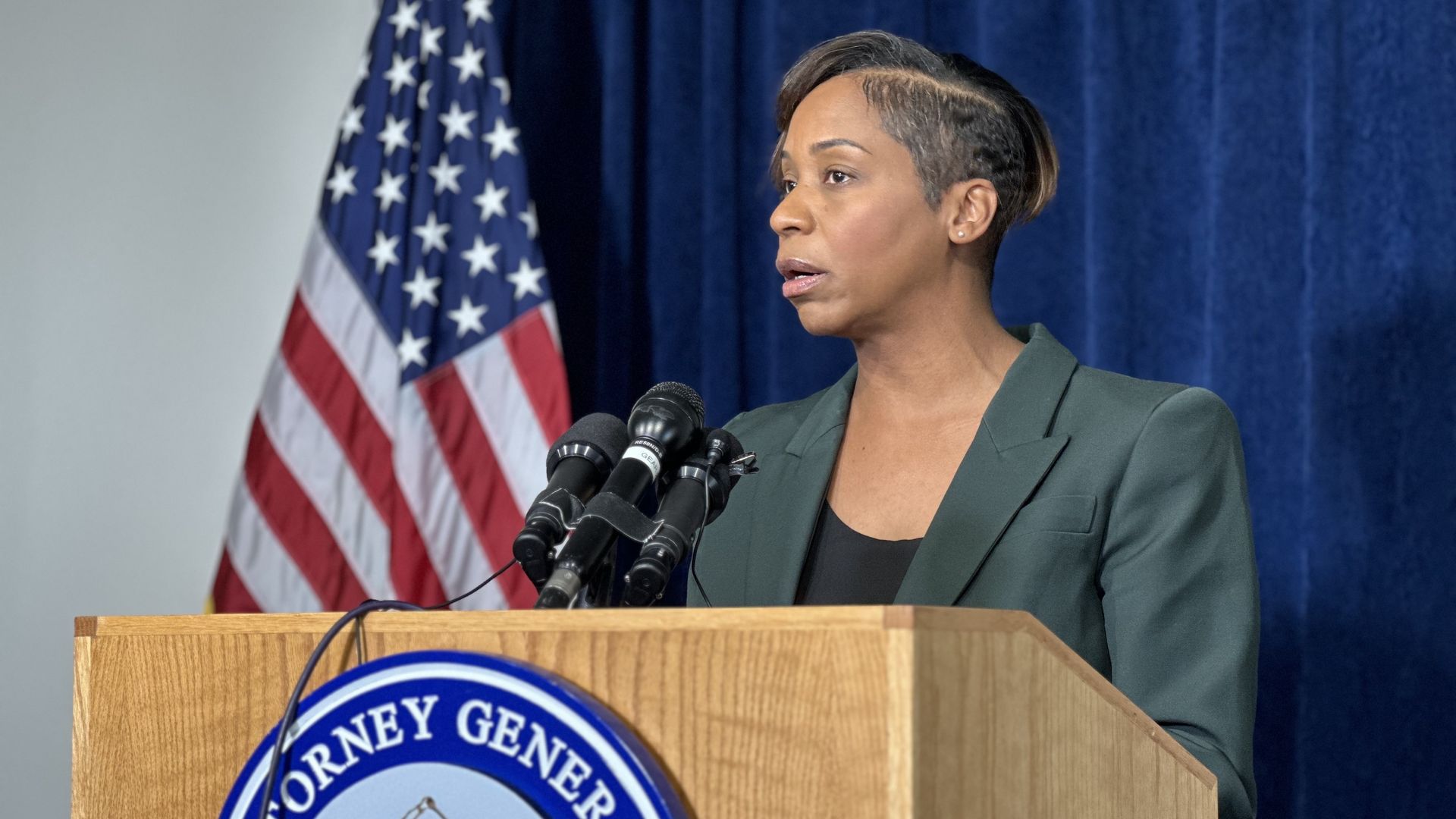
Attorney General Andrea Campbell. Photo: Steph Solis/Axios
Massachusetts is the latest state suing TikTok claiming the company designed its app to keep underage users addicted to the content.
Why it matters: TikTok has faced scrutiny in recent years over whether its algorithm is causing adverse mental health effects in teenagers.
Flashback: A 2022 study from the Center for Countering Digital Hate found that new TikTok users were shown self-harm and eating disorder content within minutes of scrolling.
State of play: Attorney General Andrea Campbell's lawsuit alleges that TikTok knew its features led to addictive use among young people and knew the app was associated with sleep disruption, depression and anxiety.
- The lawsuit alleges TikTok claimed its platform was safe anyway and rejected design changes that would have helped reduce compulsive use.
- Campbell says the company's 60-minute limit for underage users is nothing more than a pop-up that can be bypassed. She also raises concerns about autoplay and other features.
What they're saying: "Companies are employing the most gifted engineers and deploying the most sophisticated technology — just for the purpose of addicting young people," Campbell told reporters Tuesday.
The other side: Michael Hughes, a spokesperson for TikTok, said the company provides "robust safeguards," including removing underage users, creating default screen-time limits, family pairing and"'privacy by default" for minors under age 16.
- "We've endeavored to work with the attorneys general for over two years, and it is incredibly disappointing they have taken this step rather than work with us on constructive solutions to industry-wide challenges."
By the numbers: TikTok has more than 170 million monthly users in the U.S. alone.
- The lawsuit estimates TikTok's practices may affect 400,000 people ages 13-17 in Massachusetts.
Zoom out: The lawsuit comes after a multistate investigation that began when Maura Healey was attorney general.
- California, New York, Illinois, Kentucky, Louisiana, Mississippi, North Carolina, New Jersey, Oregon, South Carolina, Vermont, Washington and the District of Columbia also filed lawsuits Tuesday.