How a rising progressive lawmaker thinks Dems should frame debate

Add Axios as your preferred source to
see more of our stories on Google.
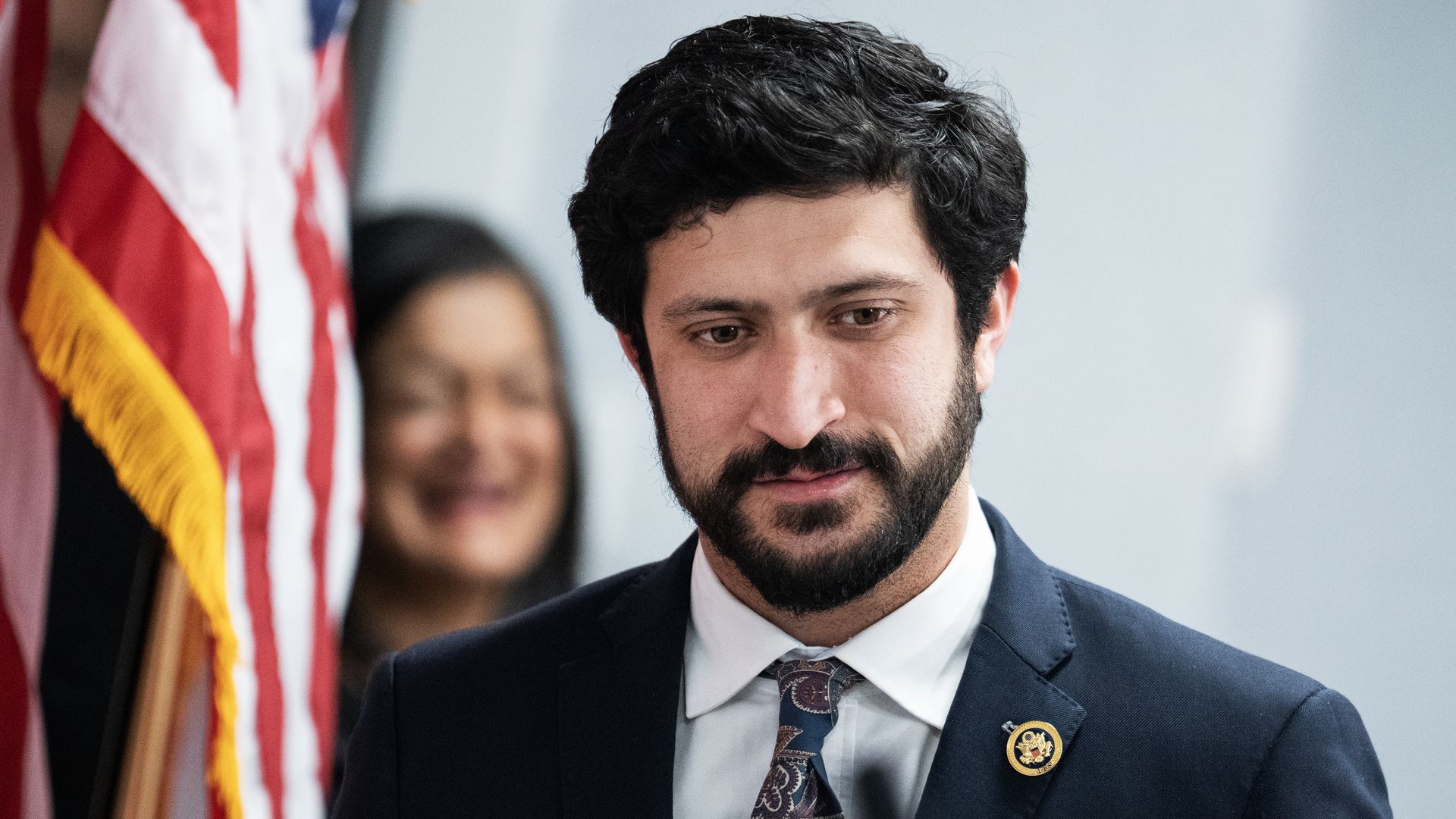
U.S. Rep. Greg Casar (D-Austin) at a March news conference. Photo: Tom Williams/CQ-Roll Call, Inc via Getty Images
U.S. Rep. Greg Casar has become a national foot soldier for the progressive policies that once powered his rise through local Austin politics.
Why it matters: As chair of the Congressional Progressive Caucus, Casar is helping to shape what it means to be left-wing as fellow Democrats seek a way out of the electoral wilderness.
Driving the news: The surprise victory of democratic socialist Zohran Mamdani in the Democratic primary for New York City mayor this week underscores the enthusiasm for the party's progressive ideas, particularly among younger voters.
Yes, but: Casar's caucus title comes with a lot of exposure — but not necessarily a lot of leverage, especially in a Washington controlled by the GOP.
- In his second term representing a district that stretches from East Austin to San Antonio, Casar has appeared in town halls far from home to call out Republican colleagues for not meeting with constituents.
- He also organized an effort — panned in some quarters — at a Trump speech to Congress in which he and other Democrats held signs saying "Musk Steals" and "Save Medicaid."
- And he's been making appearances on U.S. Sen. Bernie Sanders' "Fighting Oligarchy" tour.
Between the lines: A former labor organizer and Austin City Council member, Casar, 36, has found himself subtly tailoring his politics to the moment as he tries to focus his message on working-class economic issues.
We caught up with Casar in East Austin last week, as he addressed the young graduates of an apprenticeship program at a union hall.
What they're saying: He urged the attendees to hold politicians accountable for favoring policies that benefit the rich and keep wages low — an echo of a Democratic talking point during last year's presidential campaign that didn't resonate as much as the party had hoped.
- "How much people get paid, how many hours you have to work, whether you have health care and a pension — a lot of that gets decided in the political arena," he said.
- He also took a shot at Elon Musk — who happens to be the CEO of a major employer in his district. "The richest man on Earth, who's got his factory here up the street ... he wouldn't have a pen if it weren't for the men and women that build those factories, that build those rocket ships, that maintain everything in this town."
What's next: Casar ruled out a run for U.S. Senate or governor in a recent interview with Spectrum News' "Capital Tonight."
Our interview is condensed for clarity.
You mentioned Musk in your speech — do you have any relationship with him?
"I've been invited to his factory. But my first action as a newly elected member of Congress was asking for an OSHA investigation into a worker death there. And ultimately, OSHA found that Tesla was liable for that worker being killed."
- "As a member of Congress, we should advocate for jobs in our district. But that doesn't mean that you have to kiss a billionaire's ass. Elon Musk can easily afford to pay people in my neighborhoods a lot more — and have them not work so many hours in dangerous conditions — and Musk wouldn't even notice. So I think it's my job to fully advocate for my neighborhoods, not advocate for them just a little bit because I'm scared I might tick off somebody with a lot of money."
What's the metric of success in the 2026 election?
"Democrats need to retake the House with a resounding mandate, on an anti-billionaire, pro-worker agenda that reenergizes the Democratic base and brings more moderate, independent and conservative voters back into the Democratic Party at the same time."
- "That's what's going to be necessary for us to win the presidential election, and that's what's going to be necessary for us to start bringing places like Texas back into the Democratic fold."
For people who've been watching you locally for a long time, are your politics the same as they were when you started?
"I'd be a terrible leader if I didn't learn from mistakes. People have watched me, you know, trip over and fall and take a political beating, and I don't want the party to take more of a political beating."
So what sort of thing have you learned?
"For us to protect vulnerable people, we can't just be champions of the vulnerable. We have to be the champions of the rights of everybody. We have to win elections — that's the only way we're ever going to be able to protect vulnerable people."