Austin awarded $1.12M to study I-35 divide


Add Axios as your preferred source to
see more of our stories on Google.
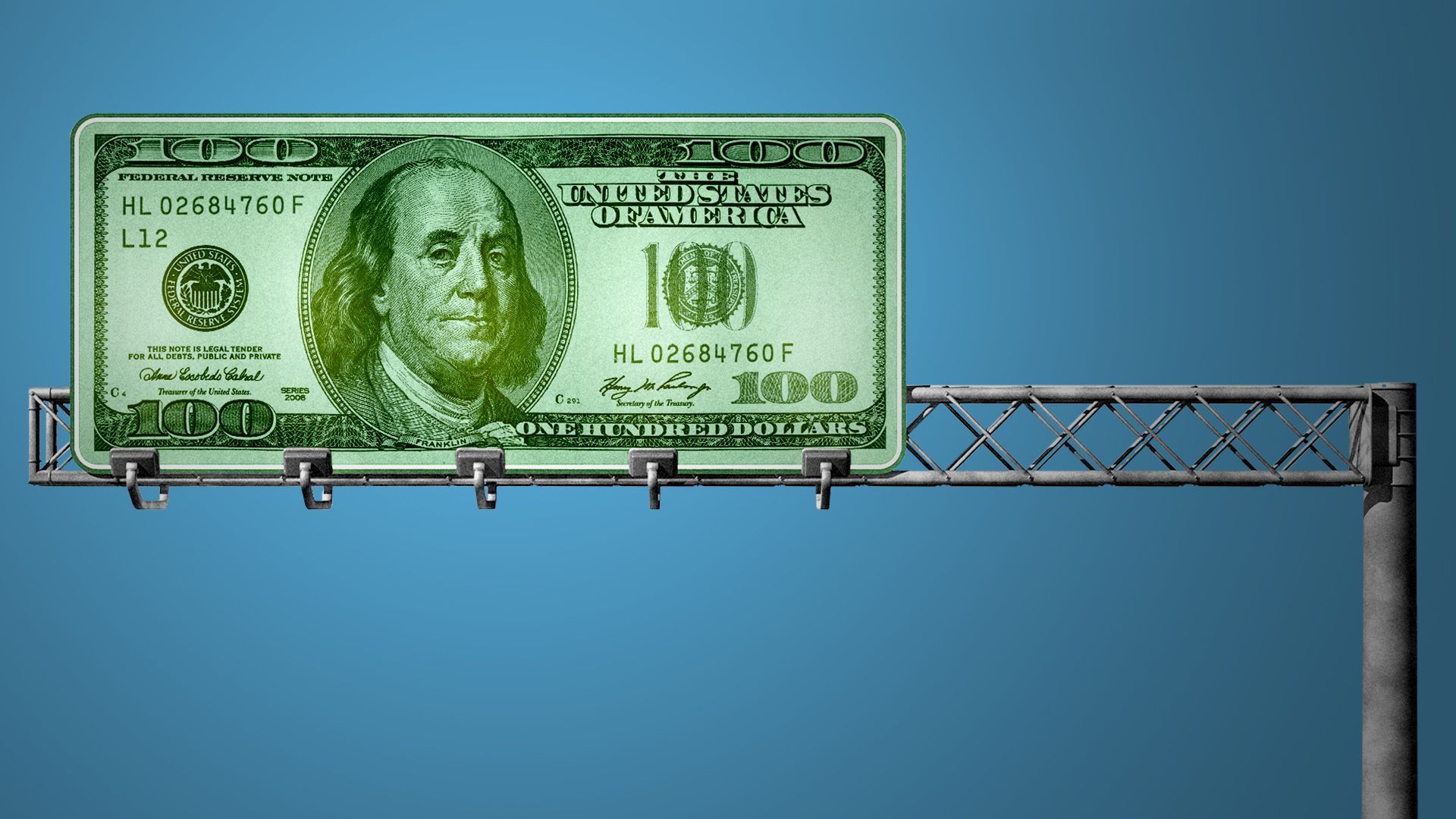
Illustration: Aïda Amer/Axios
In an attempt to reverse the socioeconomic harm of planning decisions made decades ago, the federal government is doling out $1 billion — including more than $1.12 million to Austin — over five years to remove highways that divide communities.
Yes, but: That's a modest sum compared to the billions the government is pumping into new highway expansion projects — looking at you, I-35 — that critics fear will repeat the same mistakes, writes Axios' Joann Muller.
Why it matters: Highways and rail lines are supposed to help people get to where they want to go. Yet infrastructure can also be a barrier that divides neighborhoods and cuts residents off from economic opportunity.
- Communities of color often bear the brunt of the consequences.
- That was the case in Austin, where I-35, completed in 1962, isolated the city's Black and Latino residents to the east.
- Reconnecting neighborhoods by turning highways into boulevards, putting parks over acres of asphalt, or adding more bridges, tunnels and trails can address some of these inequities and strengthen communities.
Driving the news: The Biden administration recently announced the first round of funding under the "Reconnecting Communities Pilot Program," established under the 2021 bipartisan infrastructure law.
Zoom in: Funds for Austin will go toward the city's "Our Future 35" study, which focuses on reconnecting East and West Austin by building decks that allow for features such as parks and bike lanes over the I-35 lanes downtown.
- In its proposal for the federal grant, the city called I-35 "a primary driver of segregation and disparity and presents a major roadblock to access, mobility, and economic opportunity."
At the same time, the Texas Department of Transportation continues to move forward with widening the highway, which agency officials say is necessary to accommodate the region's booming population.
- TxDOT's preferred expansion plan would close or relocate 107 local businesses, residences and properties, including eight commercial properties that cater to non-white, Spanish-speaking or lower income populations.
Reality check: $1.12 million is a measly sum considering the I-35 project could cost as much as $800 million. And it pales in comparison to TxDOT's $4.5 billion I-35 expansion project.
- Mike McGinn, executive director of the pro-pedestrian group America Walks, praised President Biden's grant program — but added that "we also must acknowledge that the program is modest compared to the flood of state and federal money still allocated for highways that divide and damage communities."
The bottom line: Cities are still being built around cars, not people.
Go deeper: The $1 billion push to remove highways dividing communities