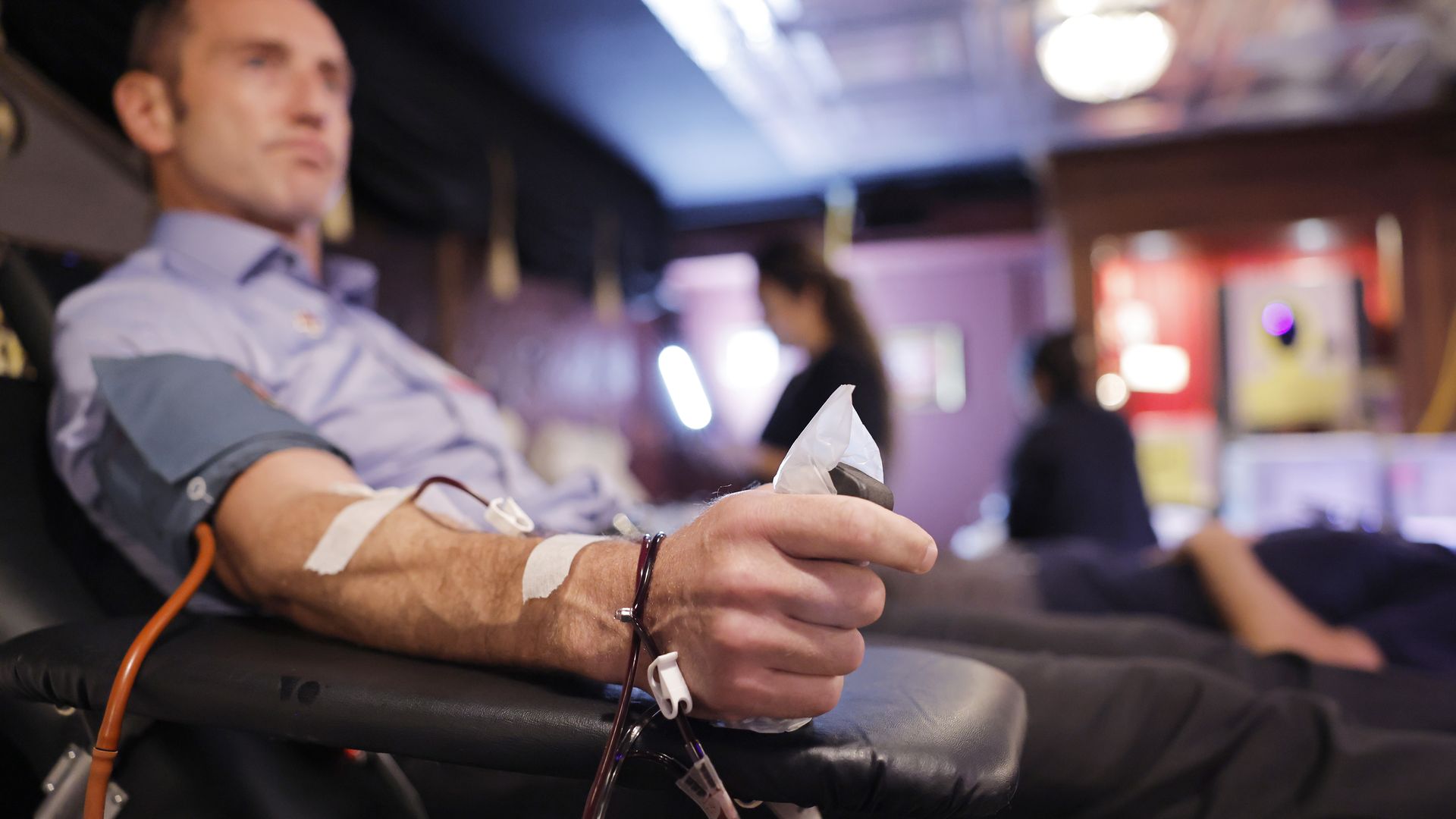
The American Red Cross says "tens of thousands" of people donated blood this week after it declared a national blood crisis, but the U.S. still needs more donors.
Why it matters: The U.S. faces an alarming blood supply crisis that could last the entire summer, potentially delaying surgeries, trauma care and other treatments that depend on blood transfusions.
Nearly eight in 10 voters say they're more likely to support a candidate if they champion maternal health reform, with the vast majority backing proposals regardless of party, according to a new national poll.
Why it matters: In a deeply polarized era — particularly around women's health issues — maternal health is a rare area of bipartisan agreement.
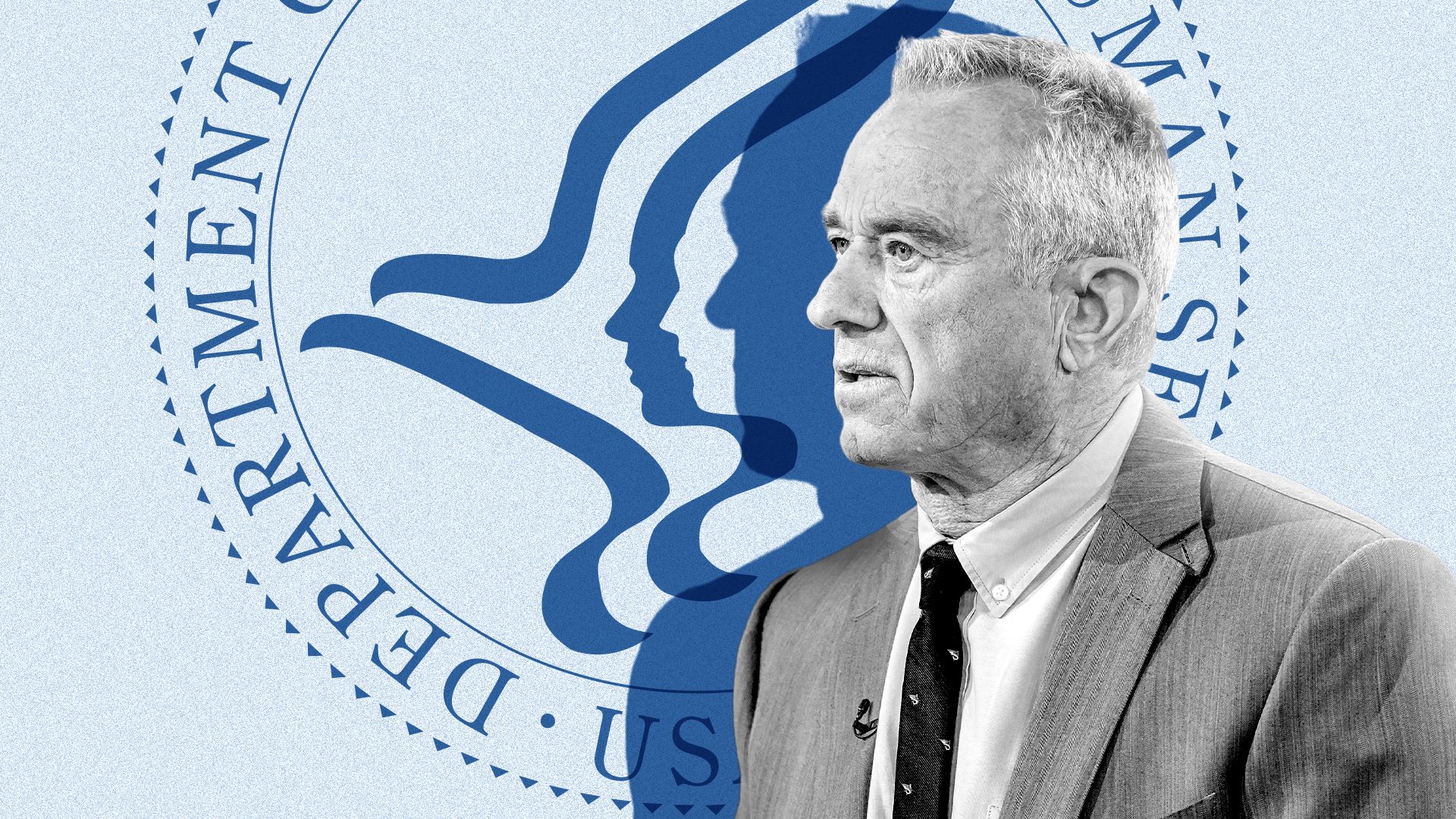
Why it matters: Though the agency reset was launched with the midterm elections in mind, it's already under strain and the elections are still more than three months away.
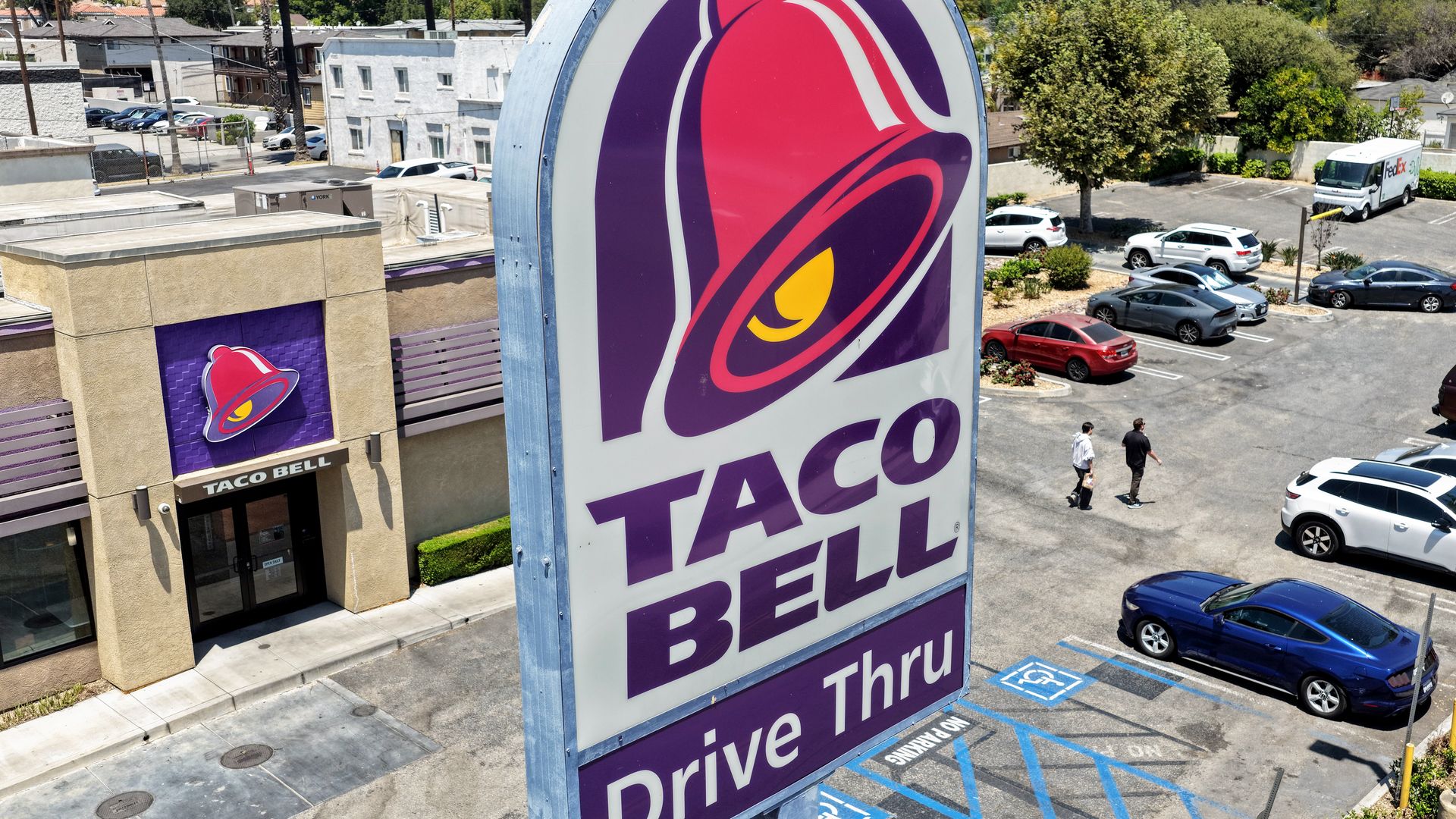
Taco Bell sales have fallen sharply since the national cyclospora outbreak, but the company's executives said they're already noticing signs of a rebound.
Why it matters: Health officials have identified more than 11,000 confirmed or suspected cases of the parasite, which can cause "explosive" diarrhea.
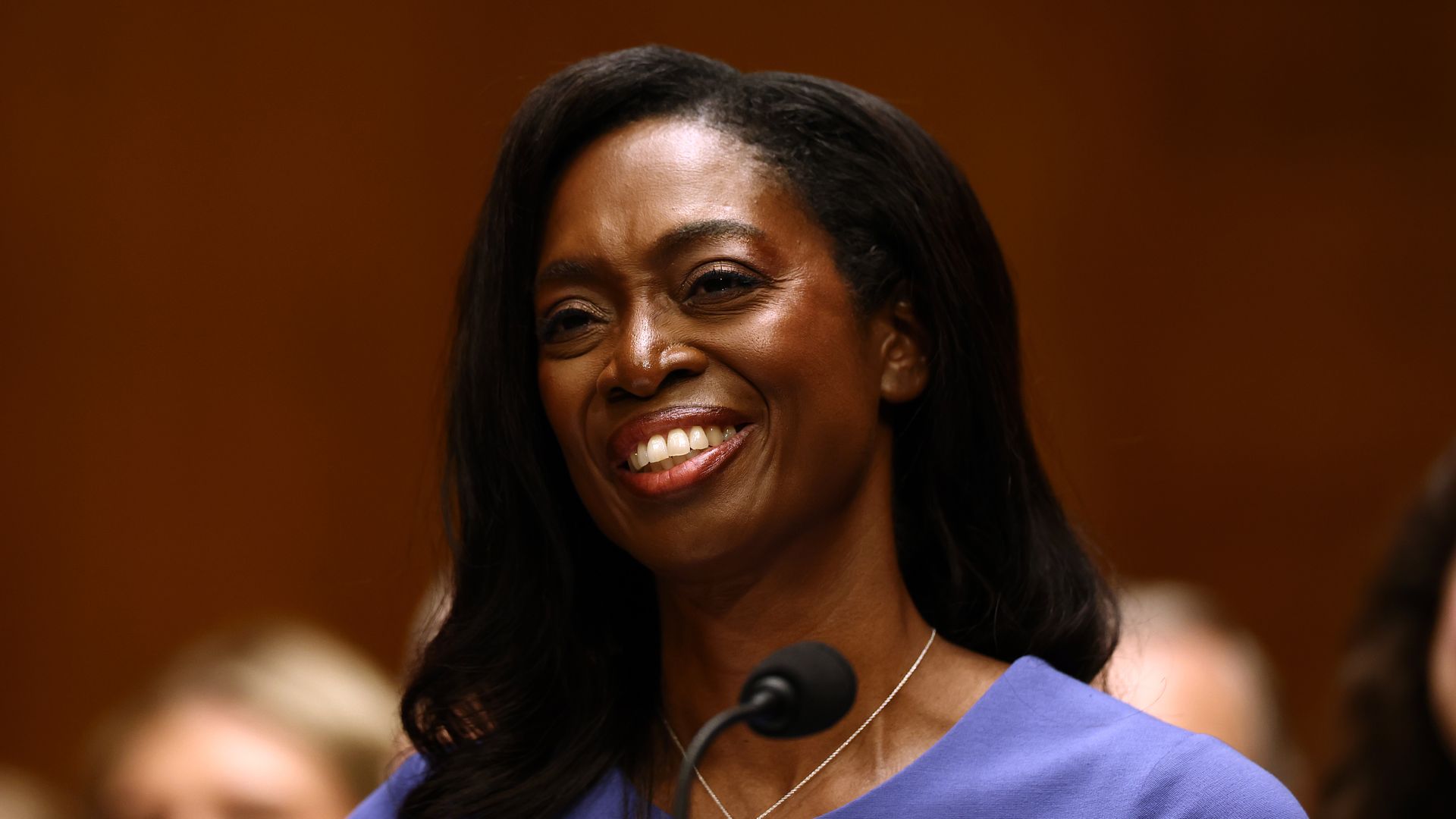
The Senate health committee approved the nomination of Erica Schwartz for Centers for Disease Control director Thursday, a step toward refilling the depleted ranks of the Trump administration's health care leadership.
The committee also approved the nomination of Sean Kaufman, who's in line for assistant secretary for preparedness and response and had been in trouble because of past anti-vaccine statements.
Why it matters: The votes showed Republicans, at least, are still willing to accept the administration's assurances about the nominees even though committee chair Bill Cassidy has made it clear he's uneasy with Health Secretary Robert F. Kennedy Jr.'s policies.
Senate Democrats released a white paper Wednesday detailing their goals for overhauling private health insurance and asking for feedback to help them translate those goals into policy.
Why it matters: The effort signals a radical revamp of how insurance is structured and regulated, with a particularly strong emphasis on lowering patients' costs across the board.
I grew up just outside of London, in a small town called Ilford. I went to regular public school, and for years I thought I was stupid.
Teachers and kids thought I was stupid. I got awful grades, and when I compared my spelling, handwriting or grammar to anyone else, I confirmed that something was wrong.
My parents scraped together the money to get a test. Unfortunately, these tests are ridiculously expensive. Back then especially, but even now, most people can't afford them. Luckily my parents pulled together the money and got me tested — and wow.