Why it matters: Patients who now want to get the COVID vaccines will first have to consult with their doctor rather than booking directly with a pharmacy, adding another step to the process.
The outlook for COVID boosters has never been as uncertain with schools reopening, day cares filling up and respiratory virus season looming.
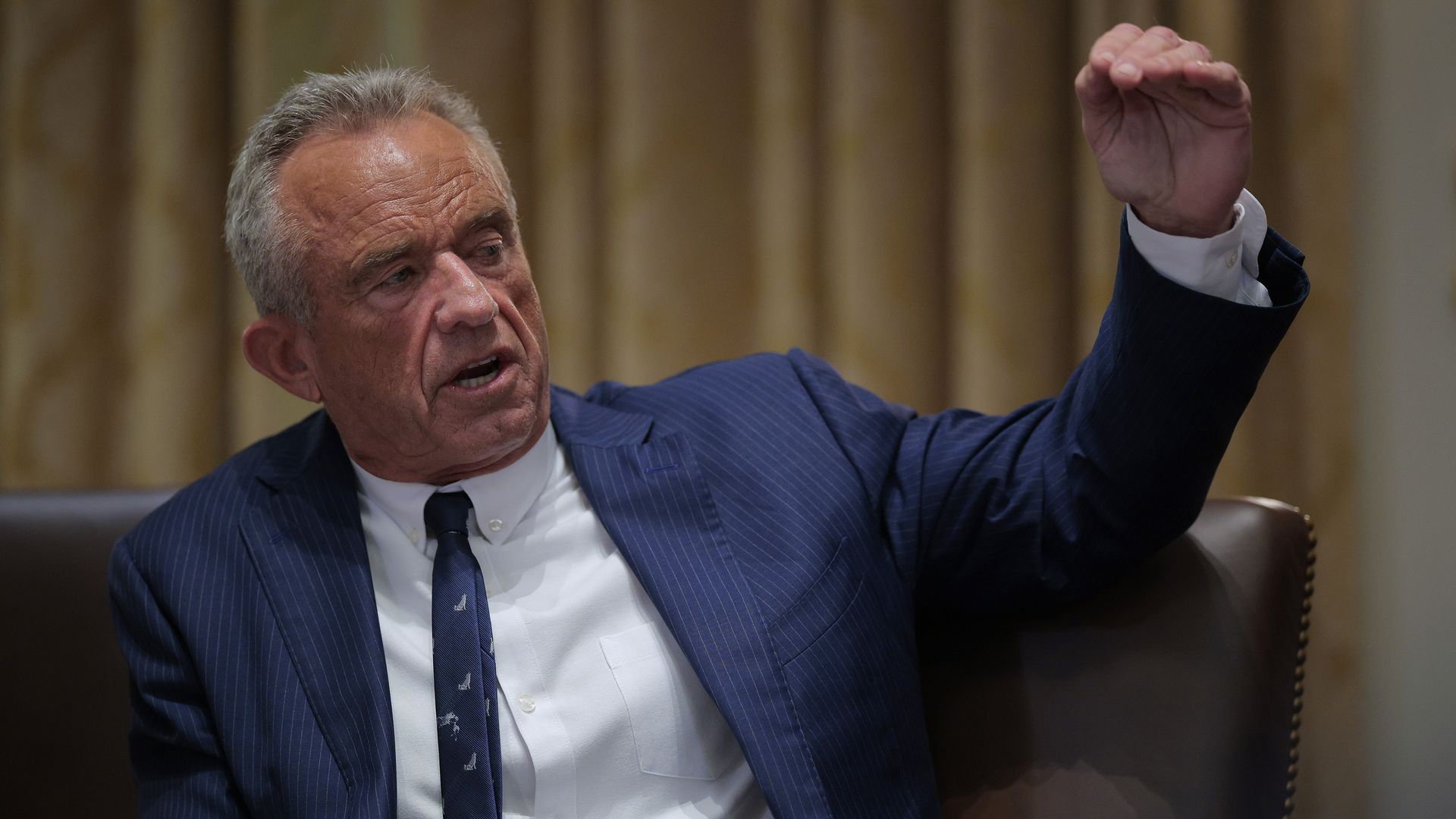
The big picture: Health Secretary Robert F. Kennedy Jr. and other vaccine critics atop the federal health bureaucracy have cast doubts on the safety of the mRNA shots, narrowed Centers for Disease Control and Prevention recommendations for who should get them andrejected broad approvalof updated vaccines from Moderna and Novavax.
The parents of a 16-year-old Californian who killed himself last spring have filed suit against OpenAI suggesting that the company's ChatGPT bears responsibility for Adam Raine's death, The New York Times and other outlets reported.
Why it matters: It's the latest in a series of high-profile cases where AI chatbots are being blamed for encouraging people to kill themselves, or for failing to stop them from doing so.
The Trump administration on Tuesday said it would pull more than $81 million in funding for 46 state and territorial programs aimed at preventing teen pregnancy and sexually transmitted infections unless they remove mentions of what officials called "gender ideology."
Why it matters: It's a further escalation of the administration's crackdown on gender-affirming care that's included investigations of hospitals and new fights with blue states.
Almost 2 in 3 physicians say there aren't enough qualified doctors to fill openings in their area, in another sign of how the health care workforce is straining to meet patient demand.
The big picture: Mergers and acquisitions of practices, turnover from pandemic-era burnout and expansion into underserved areas are raising doubts about whether the nationwide shortage of doctors will ease over the next decade, a Medscape survey of 1,001 physicians found.
As big drug companies line up to announce new U.S. jobs and plants in the face of Trump tariff threats, generics giant Sandoz is sending a different message.
The big picture: CEO Richard Saynor is telling the Trump administration it should use carrots, not sticks, with generic drug makers that account for more than 90% of U.S. prescriptions but that compete on price and volume — to a point where, as he puts it, antibiotics sell for less than a packet of M&Ms.