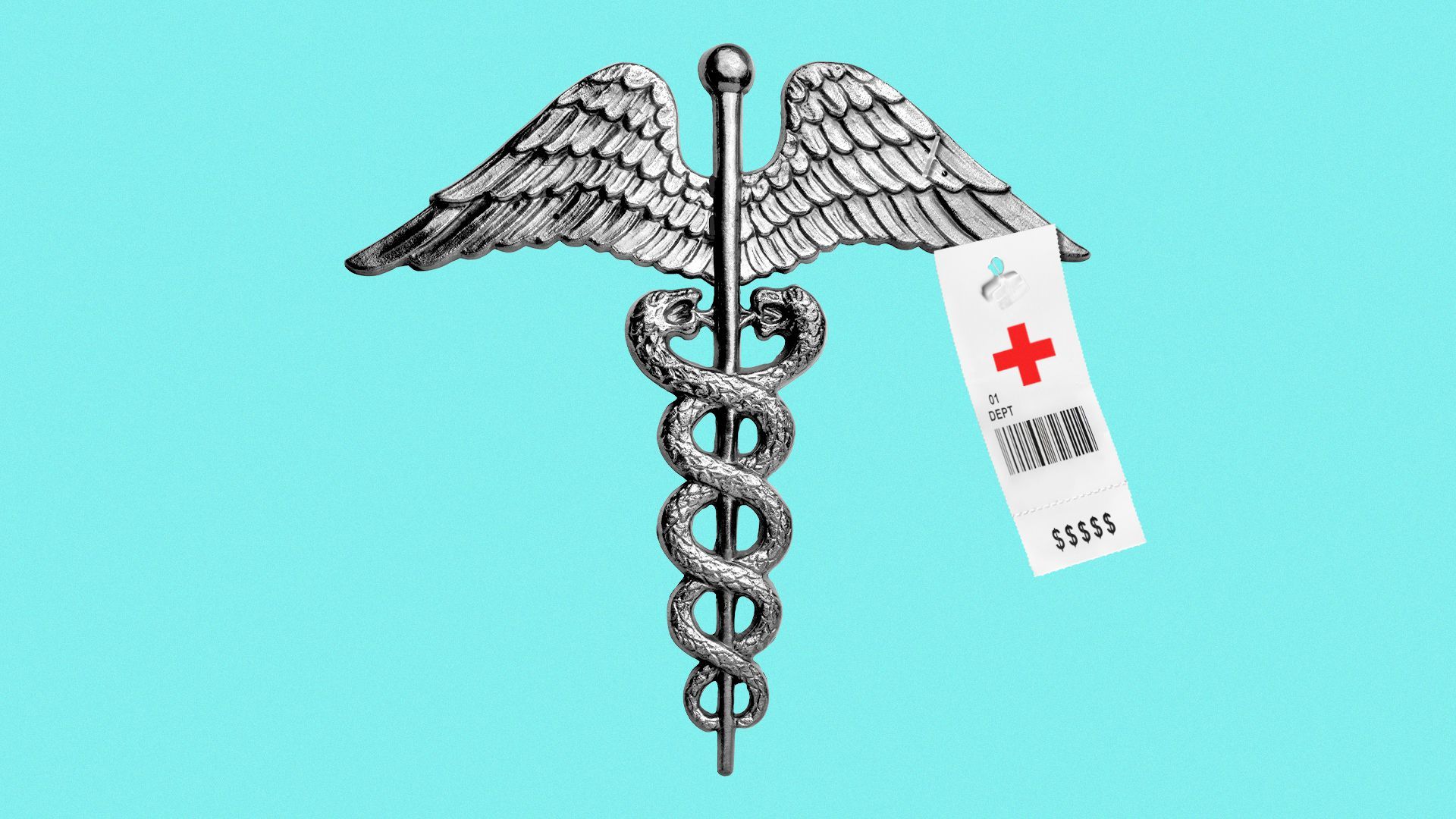
The FDA's expedited approval of a new ALS treatment priced at $158,000 a year, has touched off another debate over balancing regulation with patient access.
Why it matters: ALS, or Lou Gehrig's disease, is a dreaded neurological condition whose victims usually die within three years of the onset of symptoms. But there's limited evidence the newly approved drug works, or that its price is justified.
Fallout from the demise of Roe v. Wade is forcing college administrators to weigh how reproductive health services offered on campus may conflict with state abortion bans and if their employees could face prosecution.
Why it matters: The University of Idaho this week issued guidance that it could stop offering birth control, citing a section of the Idaho penal code dating back to the 1970s.