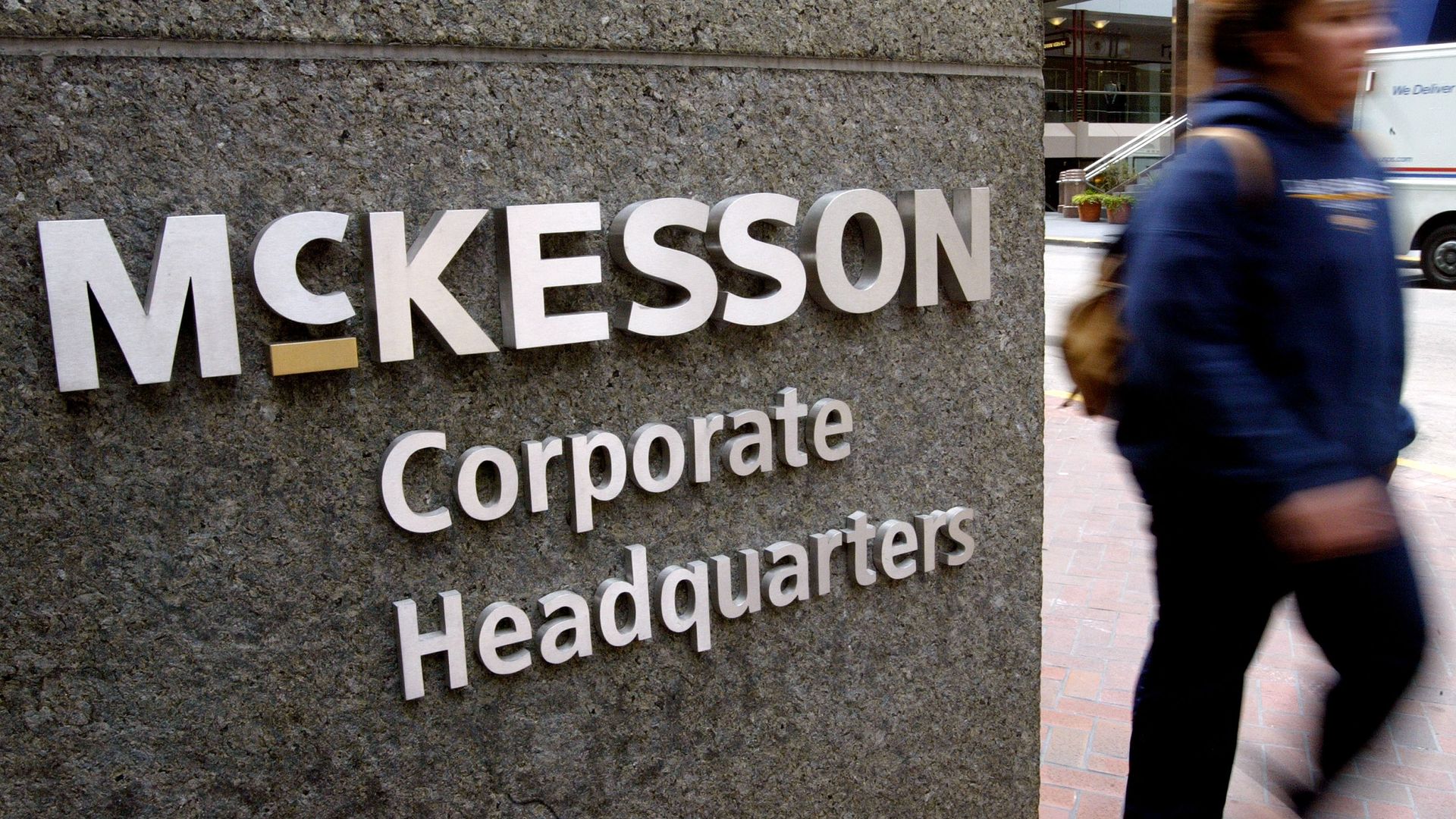
The 3 major prescription drug distributors — AmerisourceBergen, Cardinal Health and McKesson — have proposed paying a combined $10 billion to settle the national lawsuit alleging they fueled the opioid crisis through negligent shipping and monitoring of painkillers, Bloomberg reports. States countered with $45 billion.
Why it matters: This is the first look into what the health care industry is willing to pay to make this lawsuit go away. Drug wholesalers operate large cash flows, making a settlement of this size rather manageable for them, but it'd still be a hit to shareholders' pockets because the companies run on low net profit margins.
Mallinckrodt said Tuesday morning that it will suspend the planned spin-off of its specialty generics unit, which primarily makes opioid drugs, due to ongoing litigation.
Why it matters: It reflects how those who (allegedly) contributed to a public health crisis are now facing a public markets crisis.
Drug companies are increasingly trying to maximize their profits by creating generics to compete with their own brand-name products, Kaiser Health News reports.
Why it matters: "Authorized generics" can be just as profitable, if not more profitable, than the branded drug. They also can stifle competition from other generics, leading to higher prices for patients.
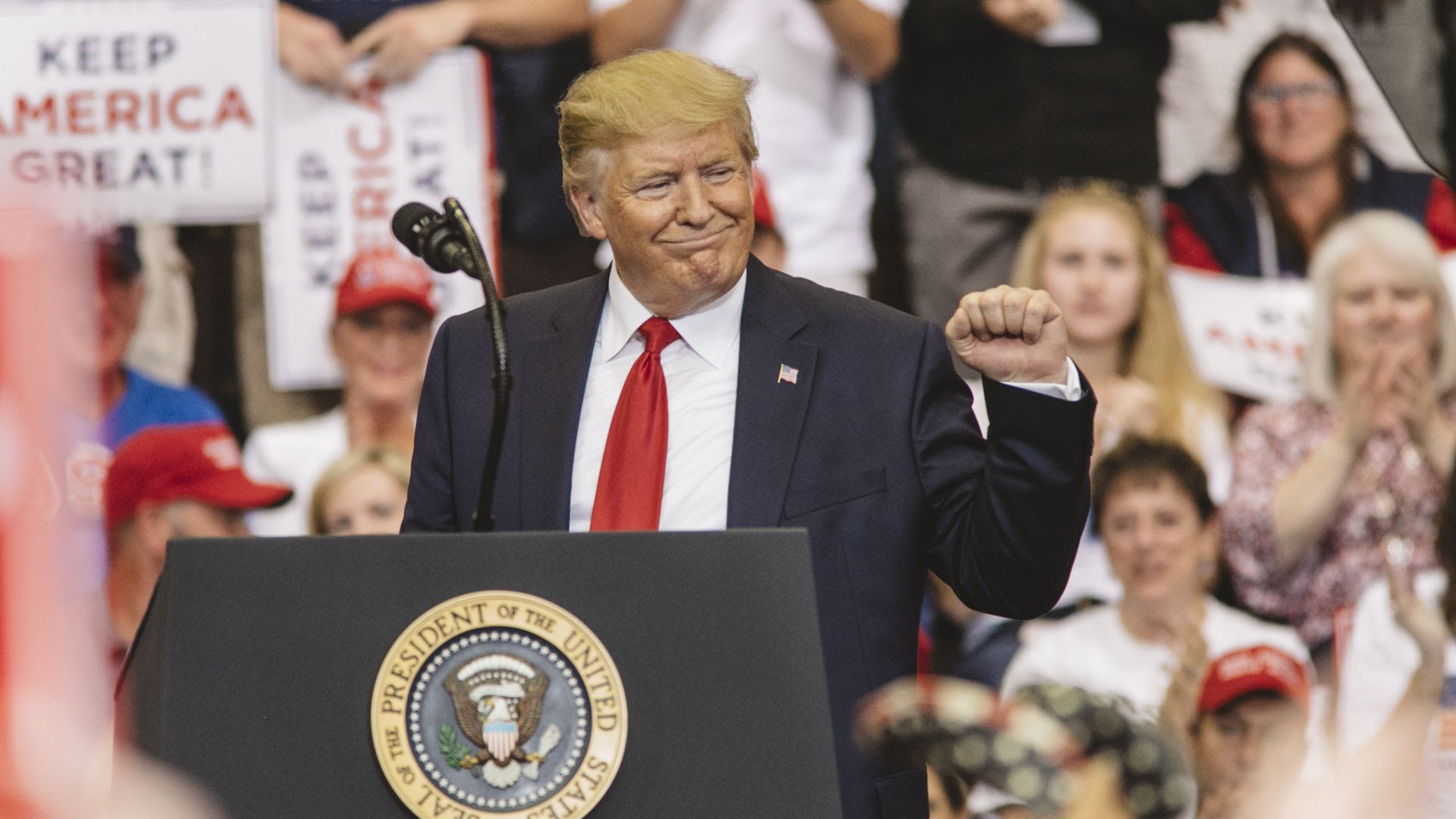
The Trump administration is eyeing a September rollout of its health care plan, although the plan hasn't been finalized and some administration officials worry it could open up the president to attacks from Democrats, the WSJ reports.
State of play: The White House is considering a September speech that would seek to provide an alternative to Medicare for All and show that the administration has a plan in case the ACA is killed in court, which it supports. It's still unclear how specific the administration's plan would be.