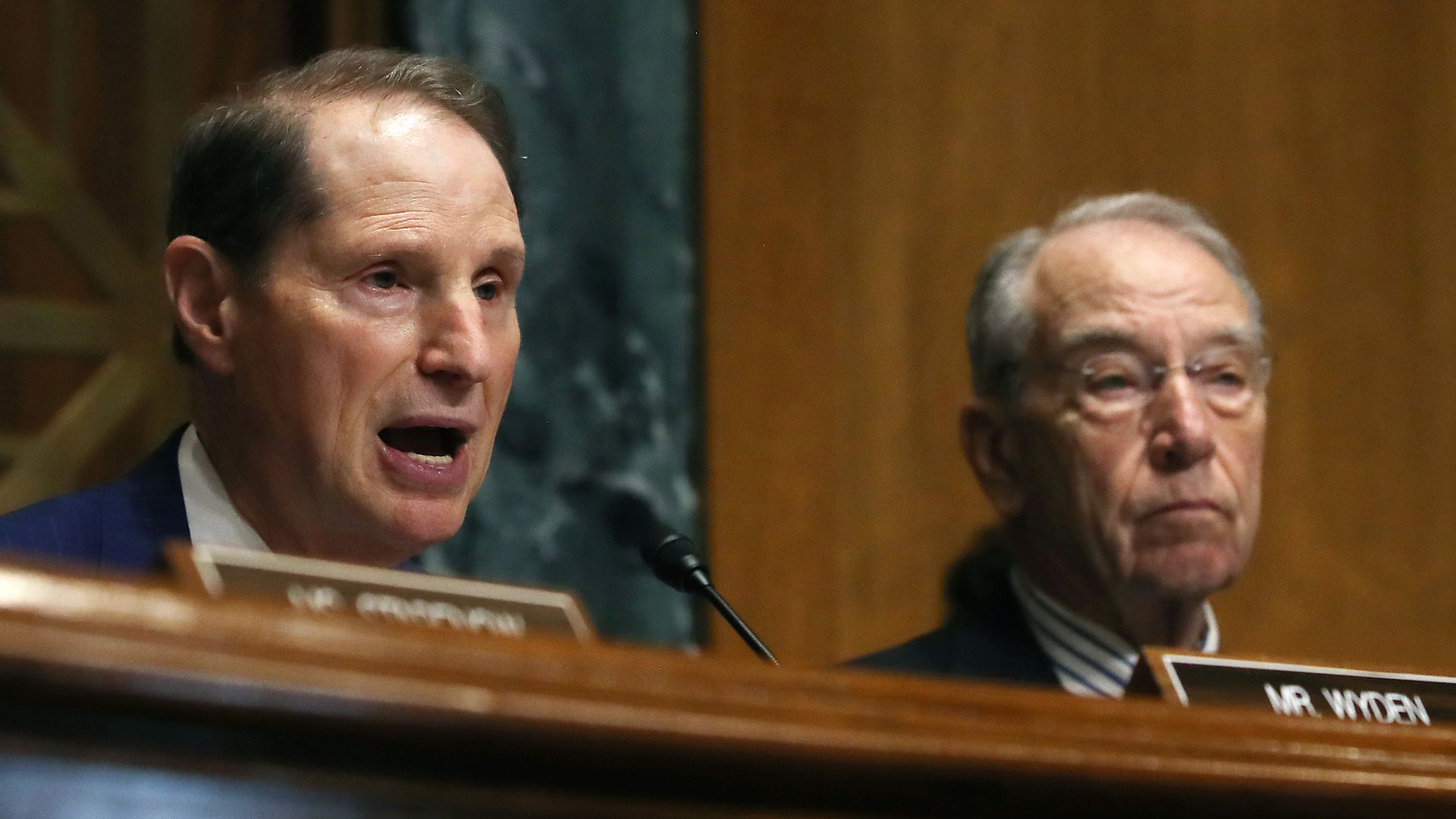
The Senate is ready to start moving forward with a bipartisan bill to lower the cost of prescription drugs, after Sens. Chuck Grassley (R-Iowa) and Ron Wyden (D-Ore.) released a detailed outline of the proposal this morning. The Finance Committee will debate the bill Thursday.
What's next: The Senate package would redesign Medicare's drug benefit and allow new payment models in Medicaid, among other changes. And it puts drug prices squarely at the center of Congress' fall agenda: House Speaker Nancy Pelosi's top health care aide said yesterday that House Democrats will introduce their own bill after the August recess.
The Indian Health Service remains deeply troubled, according to two new reports released yesterday from the Department of Health and Human Services' Office of the Inspector General.
Why it matters: The IHS is responsible for more than 2 million Native Americans — a population that tends to need a lot of care, much of it specialized. Yet the IHS has been beset for years by underfunding and mismanagement.
The Centers for Disease Control and Prevention on Monday confirmed another 25 cases of measles last week, with Ohio and Alaska now reporting their first 2019 infections.
Why it matters: America is continuing its trek toward losing the "measles elimination status" it's had since 2000, with the greatest number of cases reported in the U.S. since 1992.
A significant majority of Americans believe that providing reparations for the descendants of slaves and decriminalizing illegal border crossings are "bad ideas," according to a new NPR/PBS NewsHour/Marist poll of 1,346 adults.
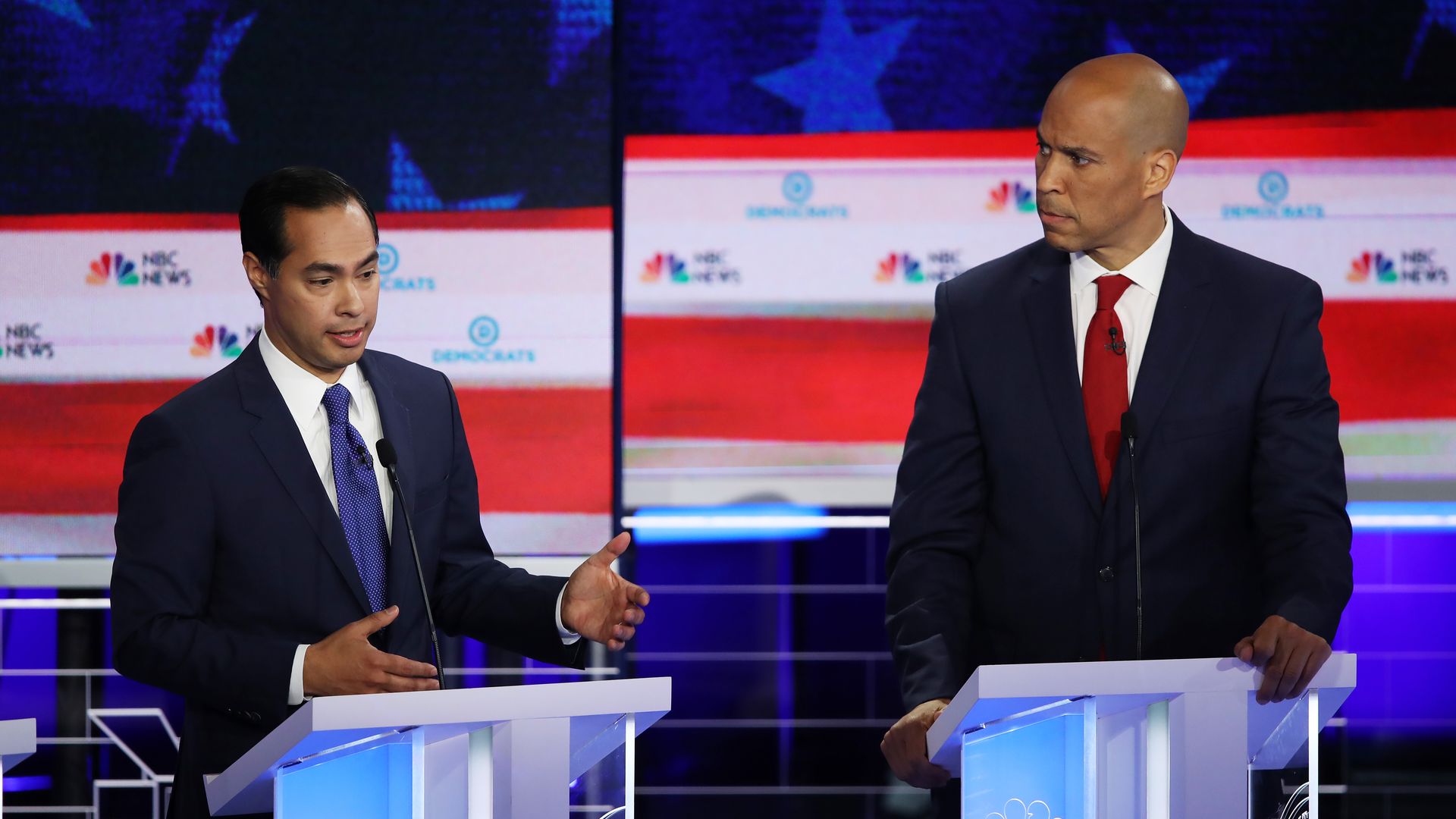
Why it matters: Both issues have been gaining traction in progressive circles, with reparations receiving its first congressional hearing in years last month. They've also been brought to the forefront of the Democratic presidential primary, with a number of candidates stating that they support decriminalizing border crossings at last month's debate.
We waste more than $30 billion per year on emergency-room care that could be better delivered in a primary-care setting, according to new data out today from UnitedHealth Group.
By the numbers: According to United's analysis of its own claims data, about two-thirds of ER visits are avoidable, and those visits cost on average $1,800 more than they would at the appropriate venue.