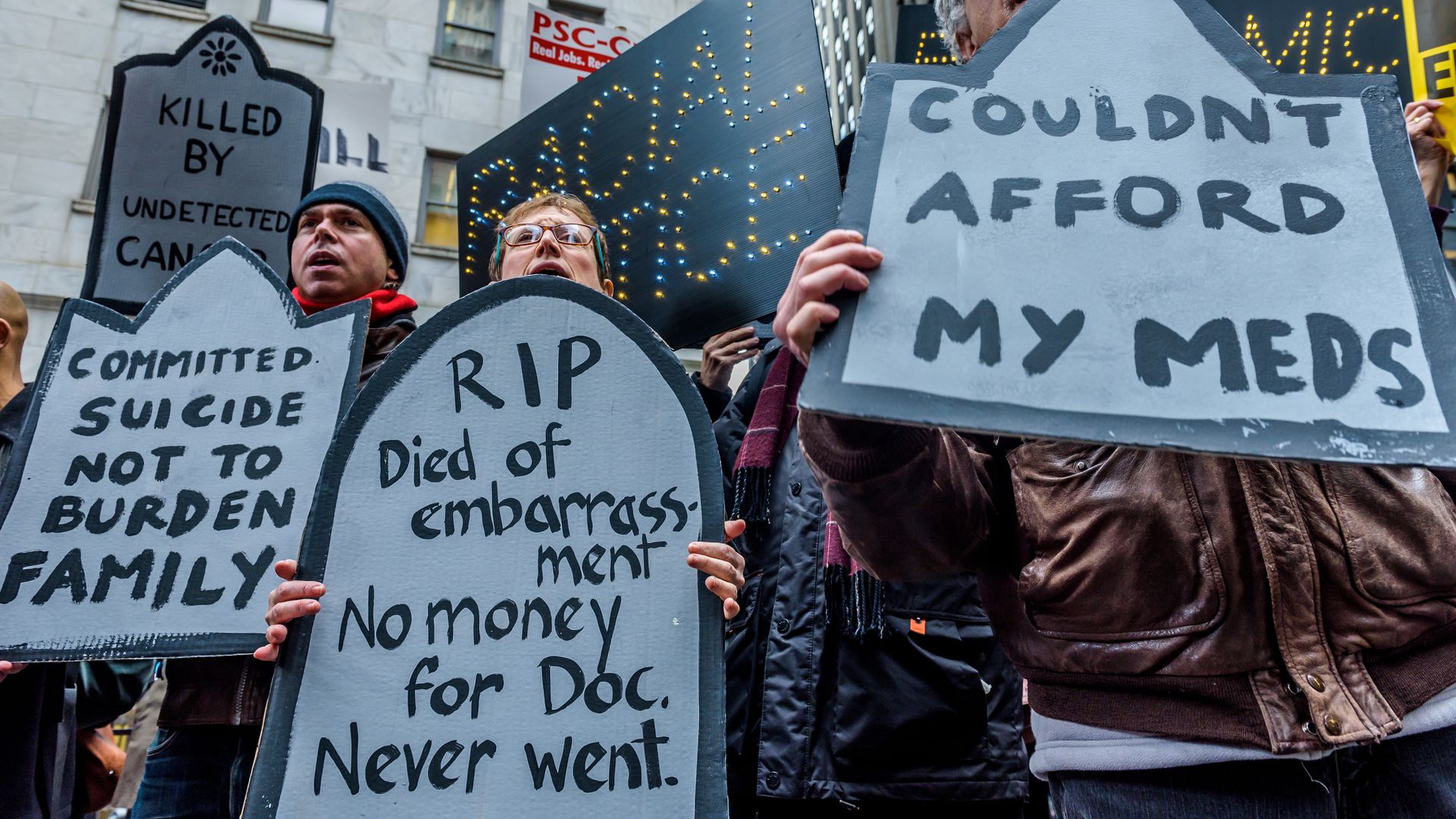
Americans don't particularly trust anyone to keep health care costs under control, but they really don't trust the industry — including insurers — according to polling from Morning Consult.
By the numbers: 41% of voters said they have at least some trust in federal agencies when it comes to cost control, compared to 47% with little or no trust in the feds.
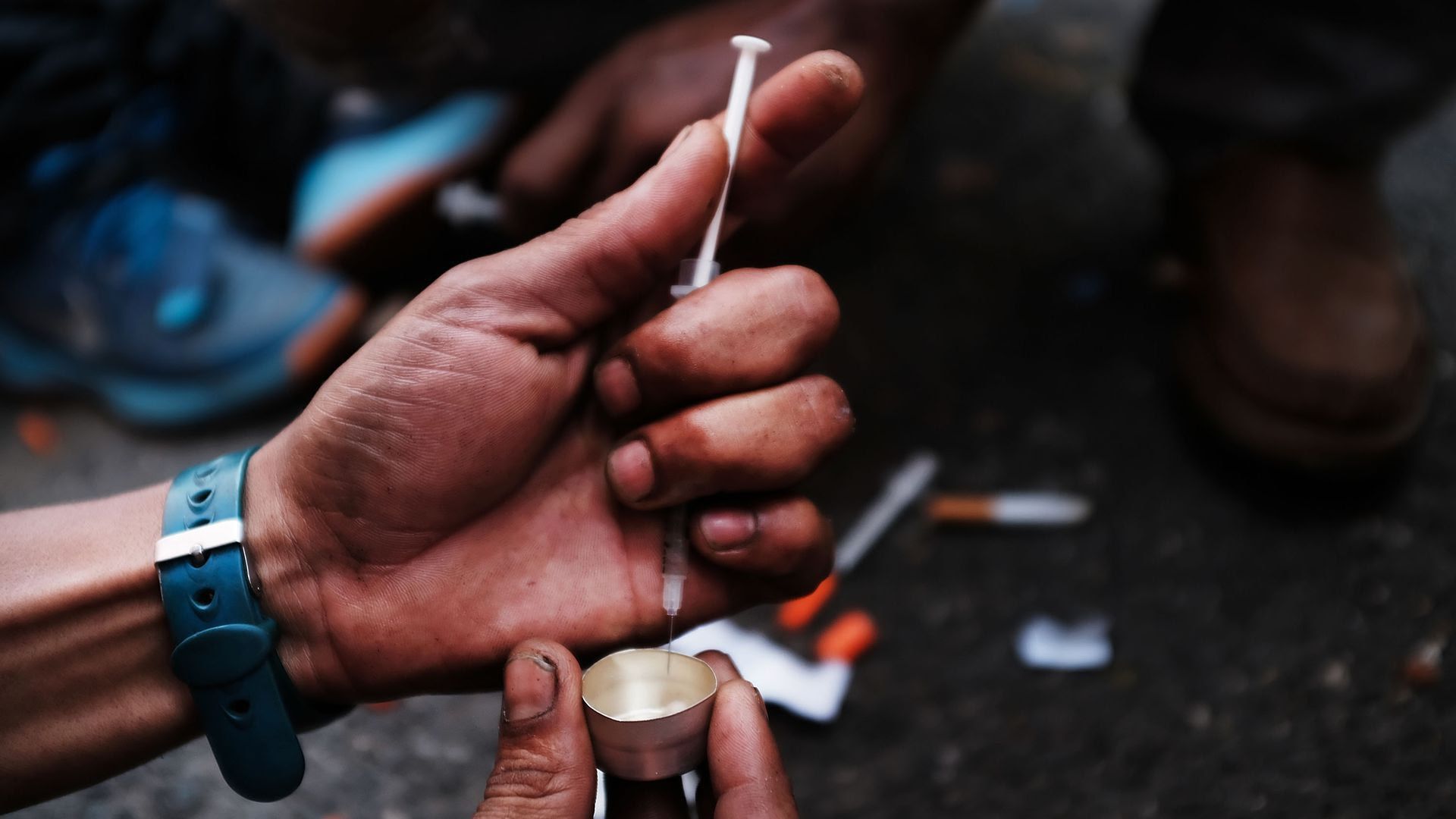
The opioid crisis seems to finally be slowing down, but some treatment centers say that fragile progress could slip away if Congress doesn't step in to renew a critical funding stream that's quickly running dry.
The big picture: Congress and the Trump administration signed off in 2017 on a $3.3 billion grant program to helped bolster access to treatment. But that money is beginning to run out, The New York Times' Abby Goodnough reports.
We tend to talk a lot about how the opioid epidemic has ravaged small towns and rural areas. And it certainly has done that. But over the past few years, the crisis has hit harder in big cities, and hardest in those big cities' suburbs.
Between the lines: Toward the beginning of the epidemic, when prescription painkillers were the primary driver of overdose deaths, the death rate was higher in rural areas than in cities or suburbs.
Johnson & Johnson today kicks off second-quarter earnings for a health care industry that has been fighting Wall Street jitters despite record-level profits.
The big picture: Wall Street has low expectations for all of corporate America in Q2, but health care may be different. A lot of the industry isn't affected by the Trump administration's trade war with China, and all available data suggests health care spending is not meaningfully slowing down.