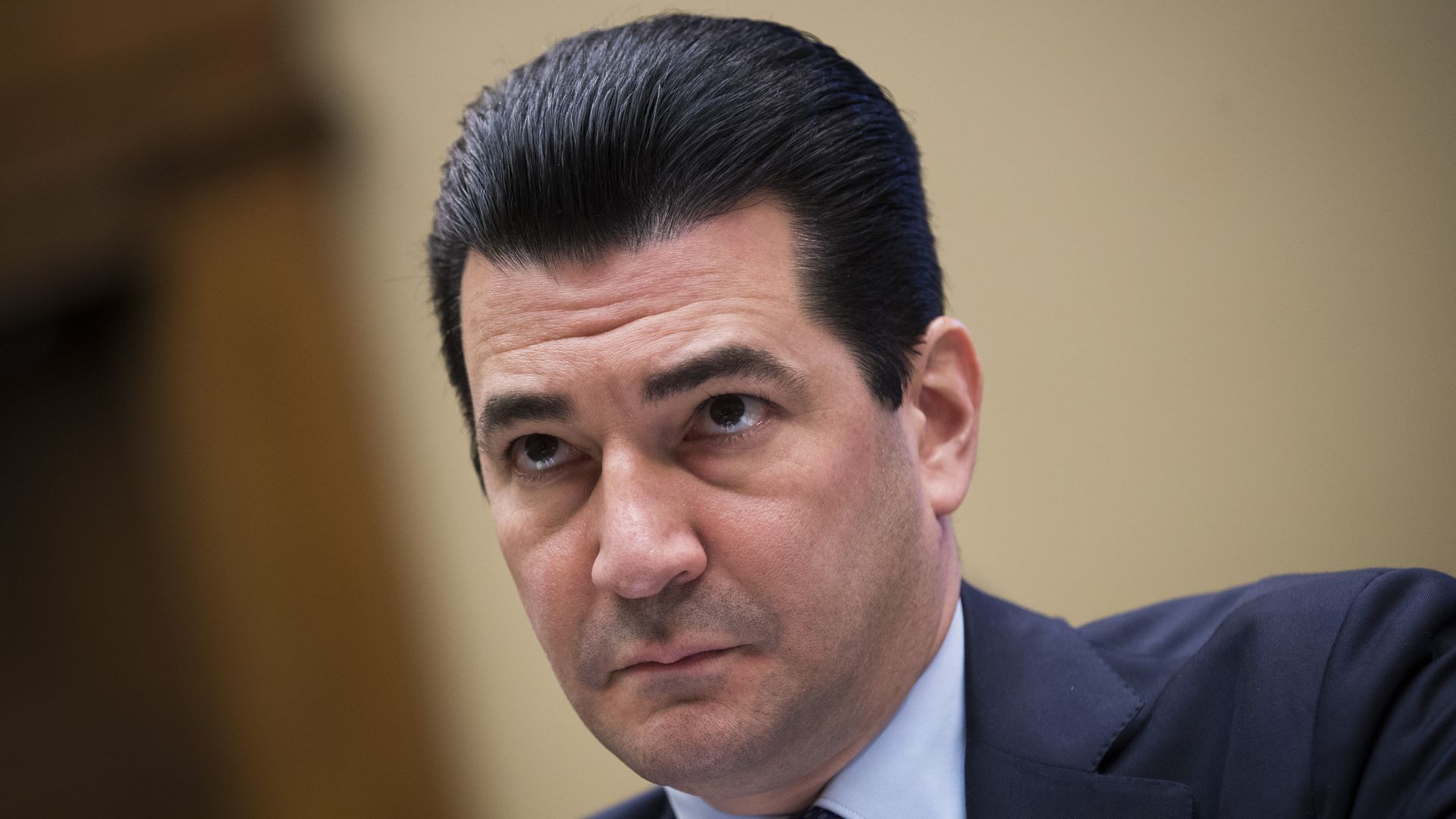
Food and Drug Administration Commissioner Scott Gottlieb has presented senior White House staff with his plan to effectively ban the sale of flavored e-cigarettes in convenience stores throughout the United States, according to two sources familiar with the meeting.
Behind the scenes: Gottlieb met this afternoon in the West Wing with officials from the Domestic Policy Council, the White House counsel's office and the National Economic Council. Joe Grogan, the director of the Domestic Policy Council, arranged the meeting.
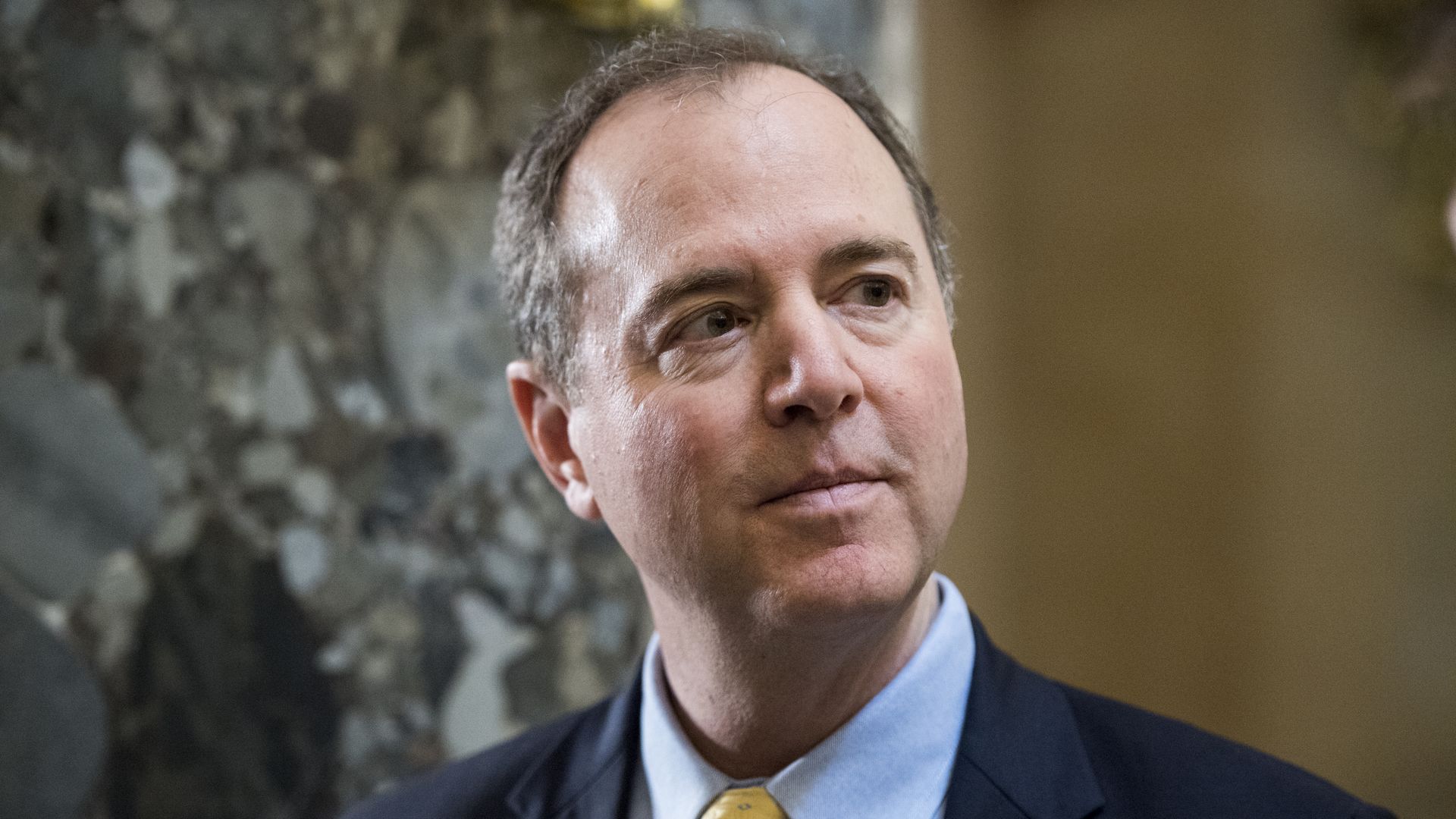
House Intelligence Committee chair Adam Schiff (D-Calif.) wrote to Amazon’s CEO Jeff Bezos demanding answers on why the platform is pushing products and content that can discourage parents from vaccinating their children.
Why it matters: The anti-vaxxer issue has grown increasingly urgent as measles — which was practically eradicated in the U.S. 20 years ago — is spreading in pockets of the country that have high non-vaccination rates. Schiff's expressed concern about paid advertising on Amazon that contains willful misinformation, requesting a more "responsible" approach to "this growing public health catastrophe."
The World Health Organization said Thursday it was deeply concerned over 2 violent attacks on Ebola treatment centers in 2 cities in the Democratic Republic of the Congo this past week, which resulted in fatalities, traumatized patients and health care workers, and damage to key medical facilities.
Georgia legislators are advancing a bill that aims to prevent patients from getting surprise medical bills. But that proposal could drive up costs across the board.
Details: The most recent version of the bill says that if patients unexpectedly receive "unanticipated ... out-of-network services," health insurers must pay doctors their full pre-insurance charges, or a metric that averages the highest percentiles of local charges — whichever is less.
People focus on the health costs that are most tangible and sometimes outrageous to them: their deductibles, and drug costs, and surprise medical bills, and the annual increase in the share of the premium they pay. But there's more that gets less attention because it's not as visible to them.
Why it matters: To really understand how Medicare for All or any other big change in health care financing would affect them, people need to understand how they would impact their overall family health budgets. Few people think about the other health costs they pay: their taxes to support health care, or what their employers are paying towards premiums (which is depressing their wages).