Friday's health stories

Study finds probiotics can boost health for babies in developing world
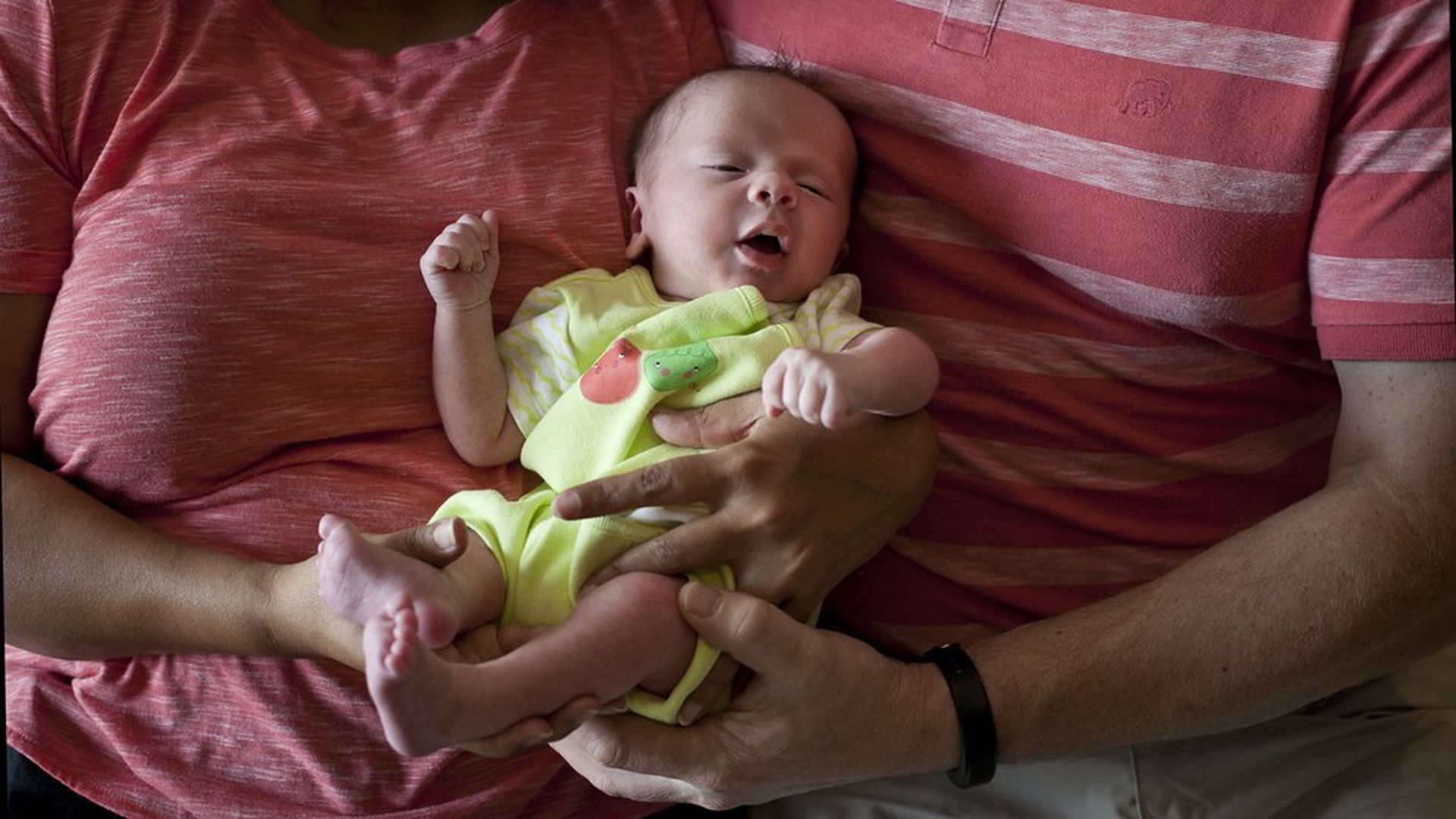
A new study found targeted probiotics — strains of beneficial bacteria — can reduce sepsis and other potentially life-threatening conditions in newborns, per The Atlantic.
- The study: In the largest trial of its kind, 4,557 Indian newborns were treated for just one week with a specially-developed "synbiotic," a probiotic strain boosted with a sugar, designed to take root in the infant gut.
- By the numbers: The researchers calculated that their probiotic strain should reduce the risk of sepsis, which kills hundreds of thousands of newborns each year, by 25-50%. The study also saw significant and "completely unexpected" reductions in bacterial infections and pneumonia in treated newborns.
- Why it matters: The treatment is a cheap, easily replicated way to ensure the health of newborns and reduce the usage of antibiotics in the developing world. Indeed, the trial was so successful that it was stopped early because it was considered unethical to prevent children from receiving the treatment.

There are 500K cholera cases in Yemen— and a global stockpile of at least a million vaccines
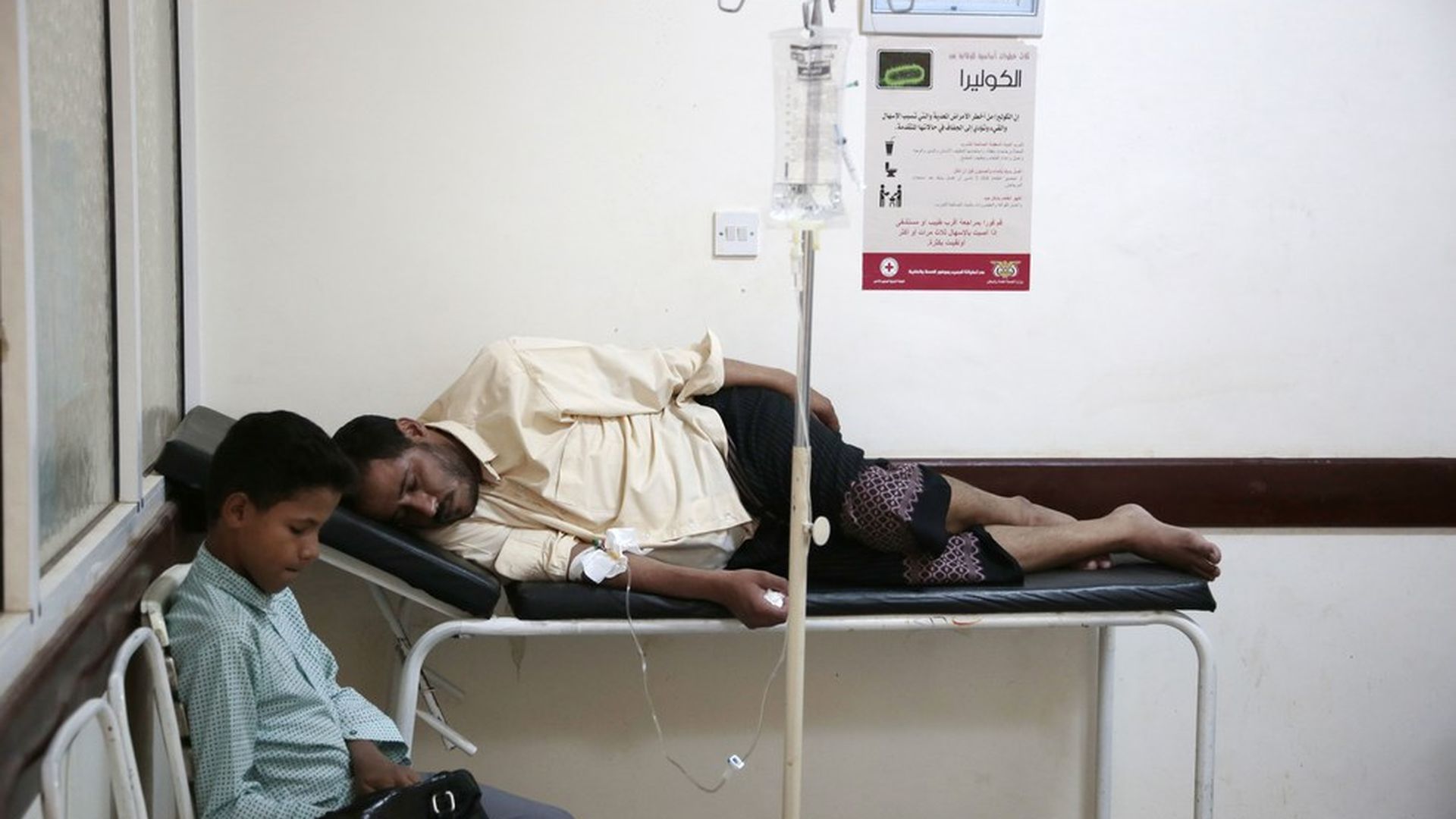
Earlier this week the WHO reported there have now been more than 500,000 cases of cholera in Yemen since April — making it one of the world's largest and fastest growing epidemics of the diarrheal disease to date.
Yes, but: In July, the organization made a surprising announcement that it wasn't moving forward with plans to begin administering half a million doses of cholera vaccine that were standing by for delivery, saying it would be ineffective given the security situation in the country and the epidemic's rapid escalation. Instead they intend to focus on improving sanitation and access to clean water and treatment.
Expert opinion: I spoke with cholera experts who have been involved in vaccination campaigns around the world. All noted they haven't worked in Yemen but from a global perspective are concerned the current plan in the country doesn't reflect what's known about the vaccine's effectiveness, and could perpetuate a belief that vaccinating people in the midst of an epidemic won't have an impact.