Monday's energy & climate stories

The race to cool buildings with less electricity
America's answer to hotter summers has overwhelmingly been more air conditioning, and engineers are now looking for ways to keep people cool without driving up electricity demand.
Why it matters: The need for cooling is surging. The issue isn't just how to generate more electricity — it's how to use less of it and ease demand when grids are most strained.

Why diesel prices keep rising


A long-predicted energy shock is finally showing up in sky-high prices for diesel fuel.
Why it matters: Diesel fuel is a key input for virtually anything grown or transported throughout the U.S., making it a potentially inflationary force.

Alcohol, AI and aging: Theories on why violent crime is down
The U.S. is experiencing one of the steepest and most widespread crime declines in modern history. Researchers aren't exactly sure why — but they have theories:
- Early research points to a mix of factors — declining alcohol and drug use since the COVID pandemic, AI-fueled policing technology that's making it easier for cops to catch suspects, an aging population, tougher prosecutions, and more.
Why it matters: Knowing more about what's driving the violent-crime decline could help cities decide what to preserve as pandemic-era federal money fades away — and how to distinguish policies that reduce violence from merely benefiting from the historic drop in crime.
By the numbers: The U.S. violent-crime rate plunged 9.7% in 2025, the largest annual decline since FBI national estimates began 90 years ago.
- The murder rate fell 18.5% to 4.1 per 100,000 people, tying 1955 and 1956 for the lowest rate since national estimates began.
- And the decline hasn't stopped: An Axios analysis shows violent crime in big cities fell in the first half of 2026.
Criminologists describe a complicated picture of why crime is down. No one's sure, but several overlapping forces seem to be driving the drop:
- Vice consumption cooled: Pandemic-era spikes in alcohol consumption, illicit drug use and firearm purchases — three factors linked to the 2020-2021 homicide surge — have receded.
- A return to routine: COVID lockdowns disrupted community guardrails and displaced young men and teens. Employment and social routines have since stabilized.
- A law enforcement tech boom: Police departments are using more AI tools, predictive analytics and platforms such as Palantir's Gotham to deploy resources and identify crime hotspots.
Under-the-radar demographic and health trends are also quietly reshaping public safety:
- The proportion of young people in America is declining, shrinking the demographic most historically linked to street crime.
- In a fascinating medical twist, the explosion of GLP-1 weight-loss drugs (like Ozempic) has been clinically linked to decreased alcohol abuse and improved impulse control — two major factors in violent offenses.
What they're saying: Leonard Adam Sipes Jr., a former Justice Department senior statistics specialist, tells Axios there's "no doubt" that less alcohol use has played a significant role in crime reduction.
- Sipes agreed that the nation's aging and the shrinking share of younger people in the U.S. population are pushing down crime.
- He said it's too early to know whether AI and other new technology have had a major effect. But some tools clearly help, he said: "Drones do work. License plate readers, yeah, they work."
The other side: Insha Rahman, president of the Vera Institute of Justice, tells Axios the decline isn't simply society reverting to normal after COVID. She argues that cities made investments that helped prevent violence.
- Many cities expanded summer youth employment and workforce development programs, and increased mental health treatment as well as community violence intervention and crisis-response units, Rahman said.
- She points to Newark, Chicago, Baltimore, Detroit, Los Angeles and Orlando as cities using "focused deterrence" — concentrating police, crisis teams and social services in targeted neighborhoods.
Yes, but: The Trump administration has credited National Guard deployments and other federal interventions in cities such as Washington, D.C., and Memphis with helping to reduce violent crime.
- U.S. Attorney Jeanine Pirro has credited increased prosecutions with reducing crime in D.C.
Reality check: There's little evidence that National Guard deployments or aggressive prosecutions drove the nationwide decline, Sipes and Rahman said.
- Both noted that crime also fell in cities that didn't change prosecution tactics or see the National Guard deployed.
What we're watching: Pandemic-era federal money for local crime-fighting efforts expires at the end of the year, putting more pressure on already short-staffed police departments.
- An economic downturn could create another headwind: Historically, worsening economic conditions mean more crime.


Data centers "dug their own grave," says Texas Gov. Greg Abbott
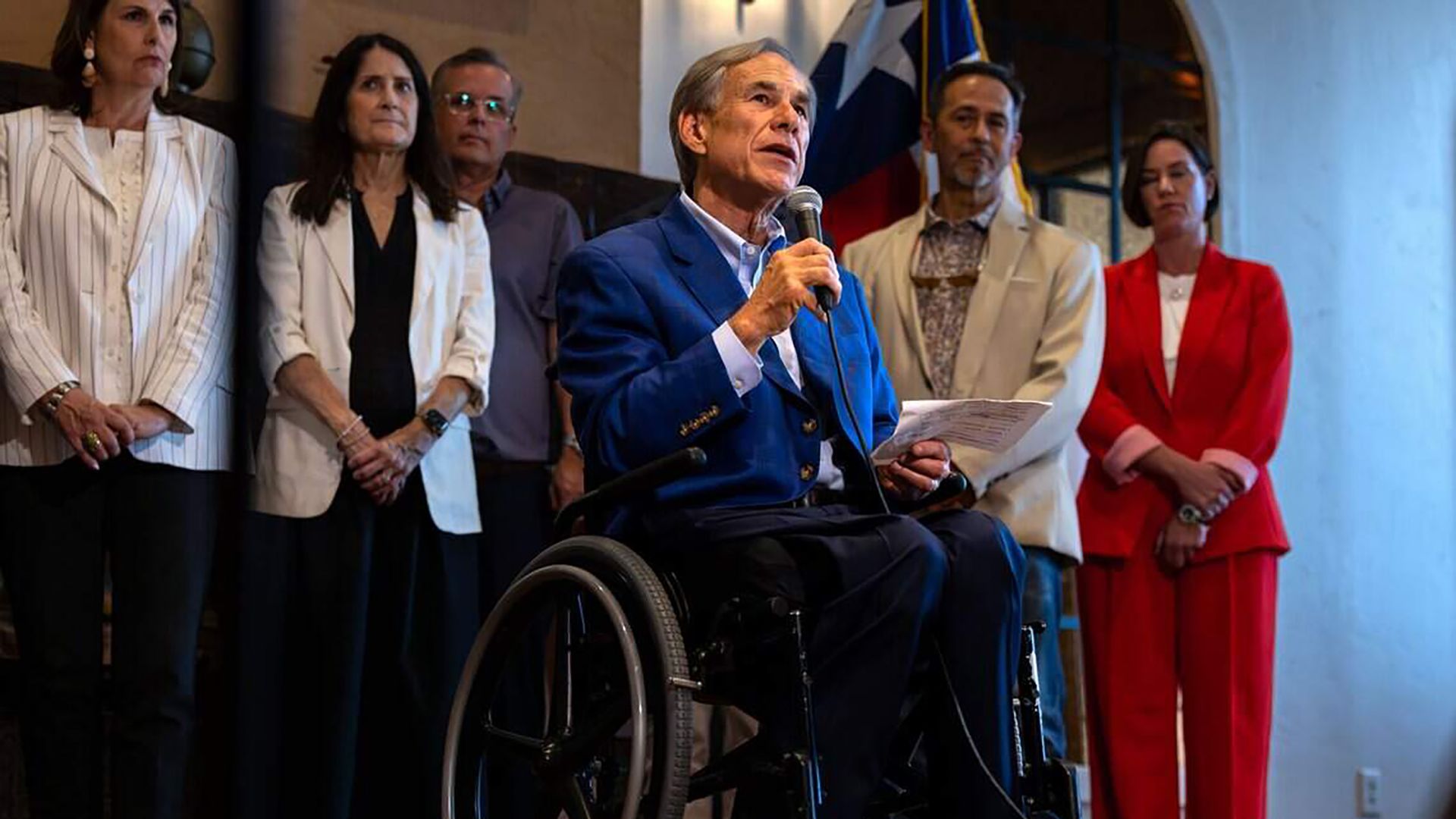
Texas Gov. Greg Abbott delivered one of the starkest warnings yet from a Republican to the AI industry, saying data center companies "dug their own grave" and deserve the backlash they're facing after failing to win community support.
Why it matters: Abbott is the latest governor to sharply change course on the AI data center boom he once enthusiastically courted, as local opposition becomes a potent political force.

Aerial firefighting crews are feeling the heat in a tough wildfire year
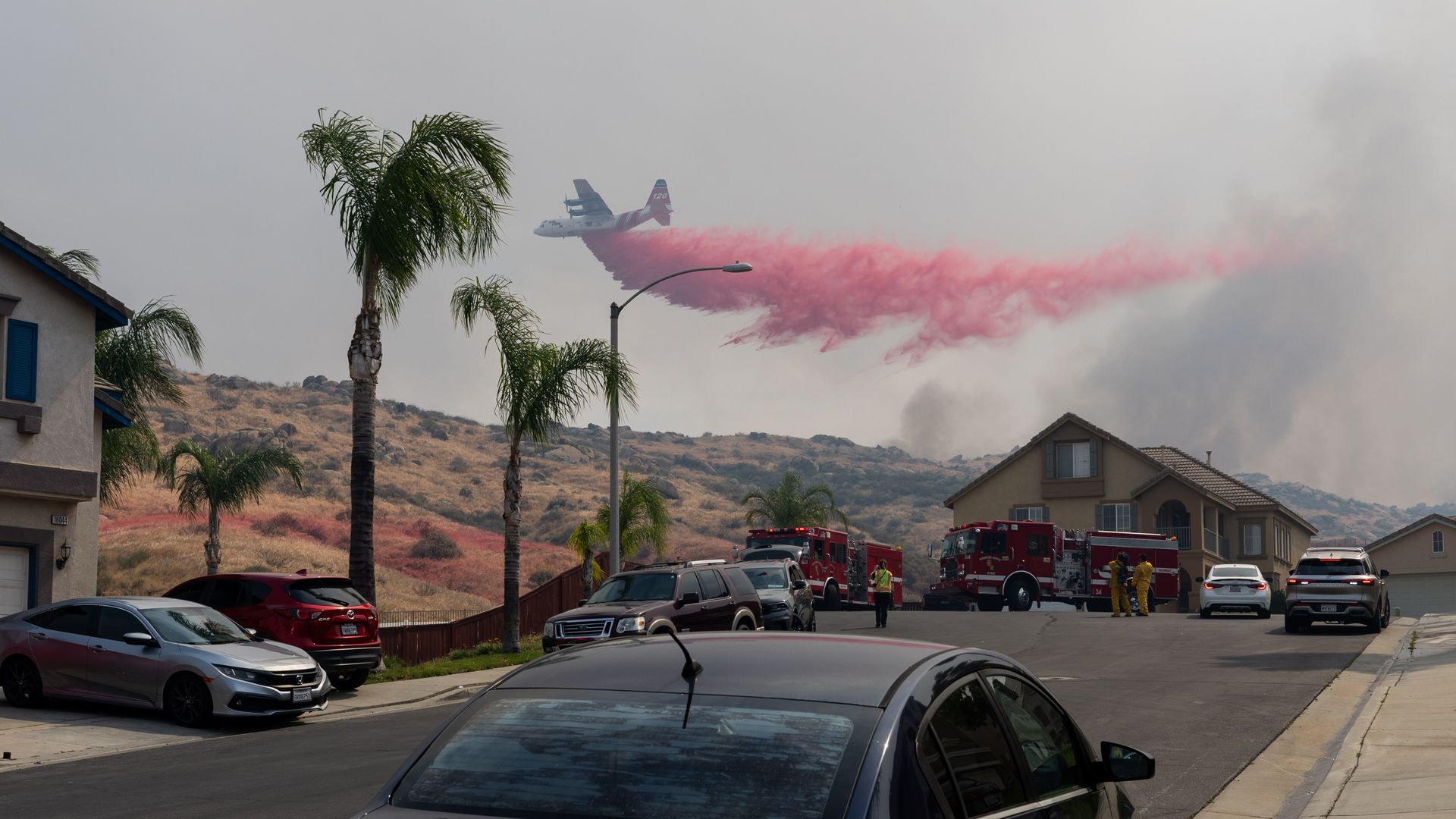
Aerial firefighters are responding to this year's busy, unpredictable and deadly wildfire season with more missions, more planes and new tech.
Why it matters: Firefighting aircraft and crews play a vital role in containing major wildfires, and difficult seasons can stretch airborne resources thin.
Driving the news: Nicholas Lynn, vice president of operations at aerial firefighting company Neptune Aviation, tells Axios that it's been operating across the western U.S., "plus Texas, Oklahoma, Nebraska, South Dakota, Minnesota, and Georgia."
- "We haven't had that normal shift where it starts in the Southeast and works its way into the South, and then works its way into the Southwest and kind of North, and then back down to California."
- "We've been really spread out, really bouncing around quite a bit to whatever fire has the severity."
The big picture: The National Interagency Fire Center has recorded nearly 50,000 wildfires so far this year, covering about 7.5 million acres.
- That's compared to the 10-year averages of about 38,800 fires and 4.5 million acres at this point in the year.
- Neptune's nine-aircraft fleet has logged just over 2,900 hours so far this season, compared to 2,500-2,800 hours for a typical full season.
Threat level: Aerial firefighting presents a unique and dangerous challenge, with pilots flying low over the often-rugged terrain and through smoky, low-visibility conditions.
- The Aug. 7 death of two helicopter pilots battling a major fire about two and a half hours south of Salt Lake City rocked the wildland firefighting community.
What they're saying: Sam Davis, CEO of aerial firefighting company Bridger Aerospace, tells Axios that several factors are contributing to tougher wildfire seasons: Hotter temperatures, dry forests with lots of wildfire fuel, and more people moving into wildfire-prone areas.
- "So those three things continue to become worse and worse every year, and create a lot of emergency situations where we have to be able to answer that call."
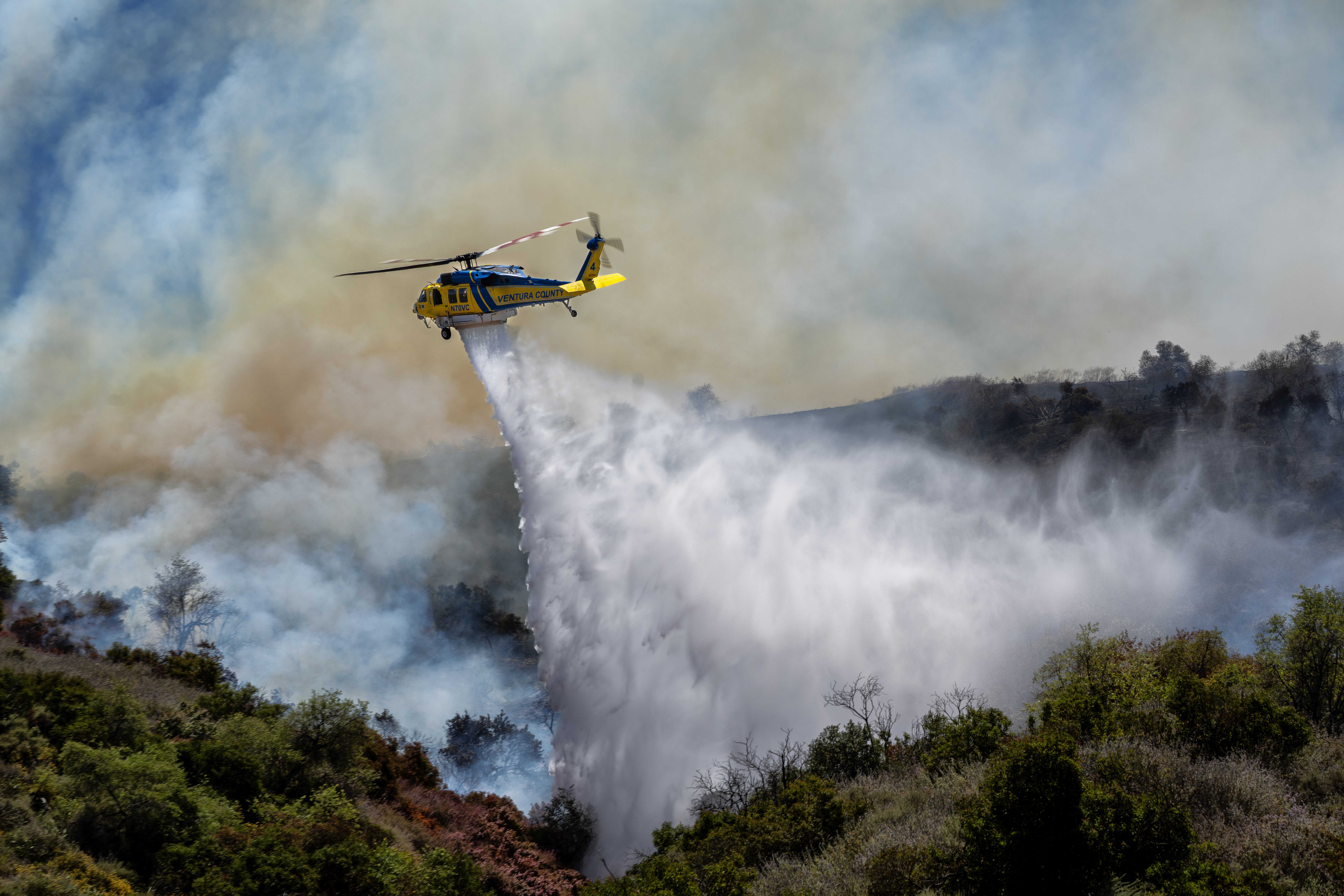
The intrigue: Davis says that Bridger the company has been rolling out new sensors and other tech that can change the way wildfires are "detected, responded to and fought on the ground."
- "We have just incredible sensor success stories as we've been live-streaming down to ground crews what our planes overhead are seeing, and we've been introducing that ... with wide-area motion imagery and gimbal sensors that can zoom in on embers flying through the air and starting new spot fires on a roof, for example."
Bridger is also developing AI-powered fire modeling tech designed to predict a wildfire's next move, Davis says.
- "That data intelligence is something that the wildfire industry has been long overdue for, and we're going to put everything behind this because we think it's where it needs to go, and it's where the game is going to be changed."
What's next: In a world-first, Neptune is converting an Airbus A319 into an aerial firefighting behemoth.
- Lynn says that the narrow-body airliner can fly fast enough to get to fires quickly but slow enough to safely drop retardant, has huge carrying capacity, and is familiar to mechanics, with lots of available parts.
The bottom line: This year's conditions are "starting to feel like the new normal," Lynn tells Axios.
- "But I always tell people, I'll tell you what fire season looked like in December."