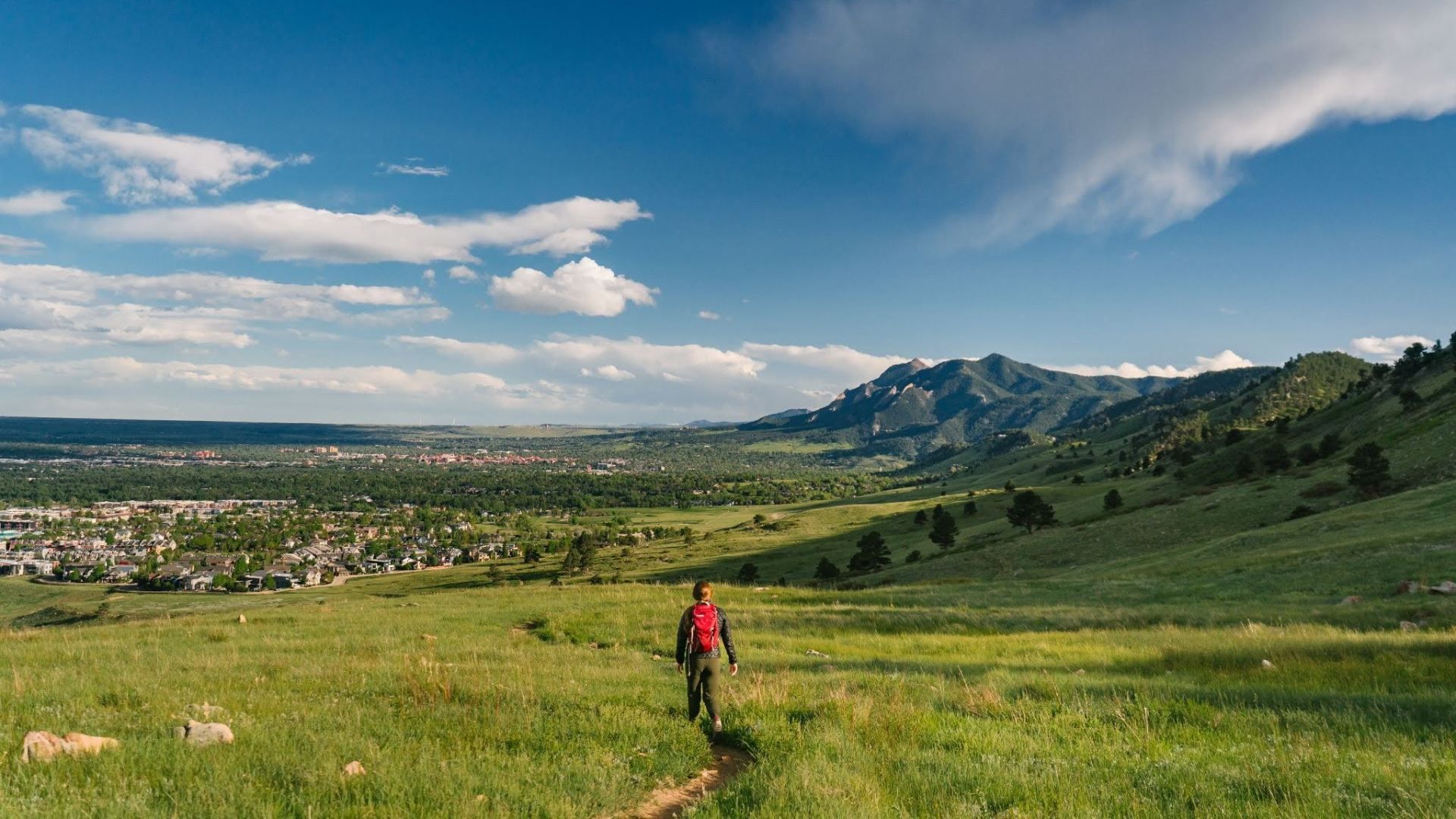
Colorado's best summer days follow a formula: blue skies, hot afternoons, low wind and packed pools and parks across the Front Range.
But those same conditions also create the ideal environment for ground-level ozone to form.
Why it's important: Many residents move to Colorado expecting "mountain air," but the Front Range's geography can actually help trap pollution where people live, work and spend time outside.
That contributes to a summertime ozone problem that regularly pushes the region above federal air quality standards.
Every Western automaker is scrambling in response to the growing dominance of faster, more advanced Chinese competitors, but Stellantis stands apart: Instead of trying to beat them, it's joining forces with them.
Why it matters: The company's expanding ties with Chinese partners could be a practical survival strategy — or a desperate sign of surrender by the maker of Jeep, Ram, Fiat and Peugeot vehicles.
South Korea plans to build and launch its first nuclear-powered submarine by the mid-2030s, a move in part meant to counter the growing arsenal of its neighbor, North Korea.
Why it matters: This massive undertaking will test the country's shipbuilding sector — often lauded in the U.S. — as well as international nonproliferation obligations.
If successful, it could reshape the security status quo in Asia. Only a handful of countries today operate nuclear-powered subs.
Microsoft, Google, Amazon and Meta are teaming up with a nonprofit investor to accelerate new technologies using data centers as test cases.
Why it matters: The initiative, led by Elemental Impact, is among the clearest attempts yet to turn the massive buildout of AI infrastructure into a proving ground for new technologies rather than just a new source of emissions.
BP removed board chair Albert Manifold on Tuesday, citing "serious concerns" about "governance standards, oversight and conduct."
Why it matters: BP has lost its CEO and now its board chair in the span of six months, the latest leadership turmoil for a company that has cycled through CEOs during its strategic pivot.
With a U.S.-Iran deal (maybe?) taking shape in coming days, the oil market that follows will look different than what preceded the war.
Why it matters: The emerging deal — which would re-open the Strait of Hormuz while nuclear talks proceed — could return large amounts of barrels to the market.
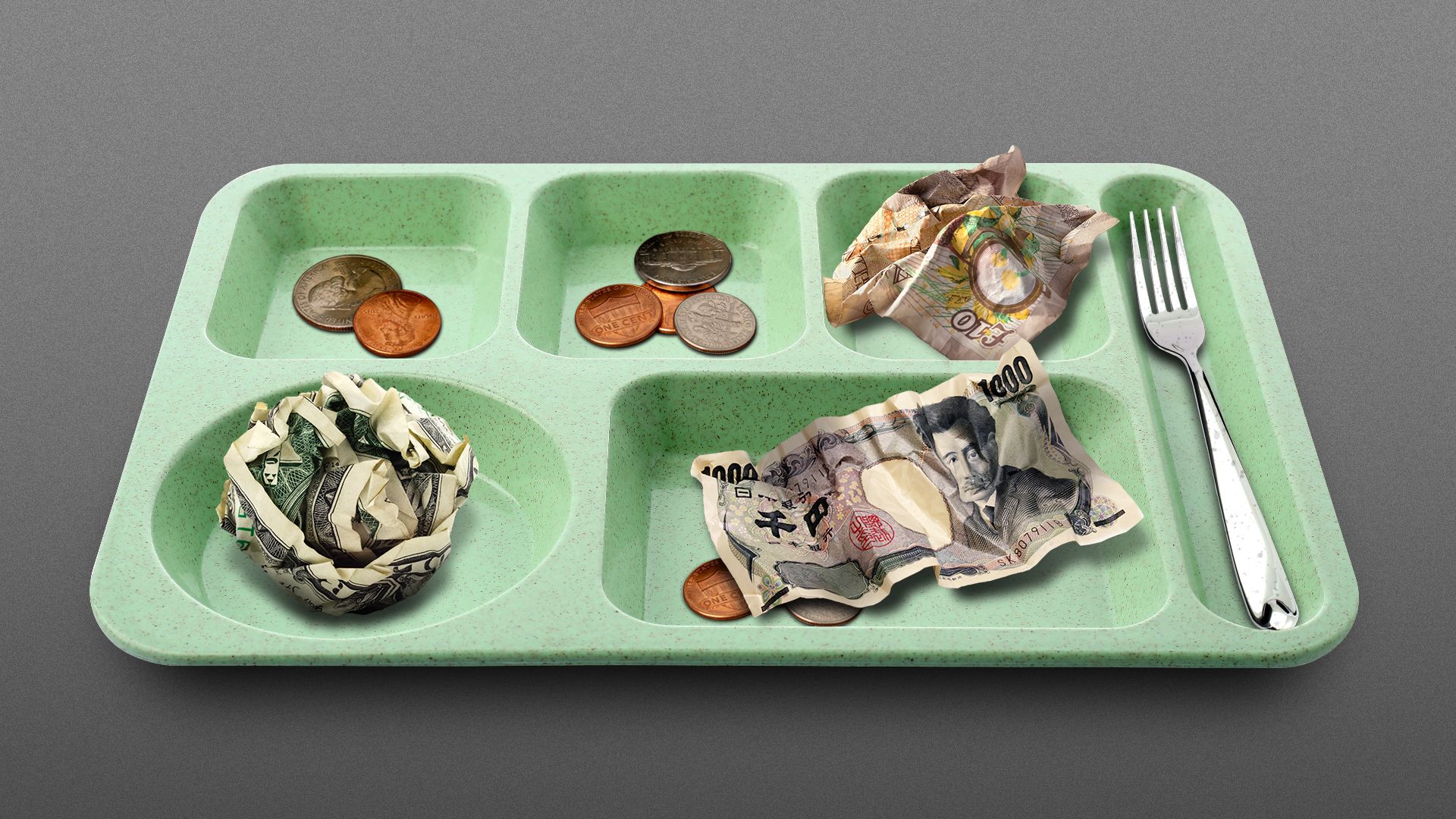
For most of this century, rich countries have enjoyed a seemingly free lunch: They could spend money as needed, cut taxes at will and stimulate their way out of problems without paying a price in the form of higher borrowing costs or inflation.
The big picture: That era is over. The $145 trillion global bond market is flashing red signals that there's now a price to be paid for governments that indulge their profligate impulses.