A new organization is launching to improve federal support for commercial deployment of a range of energy tech, with initial focus on the Energy Department's loan office.
Why it matters: The Energy Infrastructure Alliance Forum (EIAF) aims to fill what organizers call a need for a broad-based push that complements others' ongoing work on specific tech and finance streams.
President Trump's EPA is raising alarms with a shift in how it weighs the benefits of air pollution rules, with critics warning they'll lead to dangerous consequences for public health.
Why it matters: EPA regulations on ozone, soot, and more have produced cleaner air for decades, preventing deaths and ailments like heart problems and asthma.
Autonomous trucking startup Gatik signed a deal with a major consumer-goods company that will double its contracted revenue to $600 million over five years, Bloomberg reported this week.
Why it matters: Gatik says it is the first company in North America to deploy fully driverless trucks at scale, a milestone that moves the industry past limited pilots to sustained, revenue-generating operations that will strengthen supply chains.
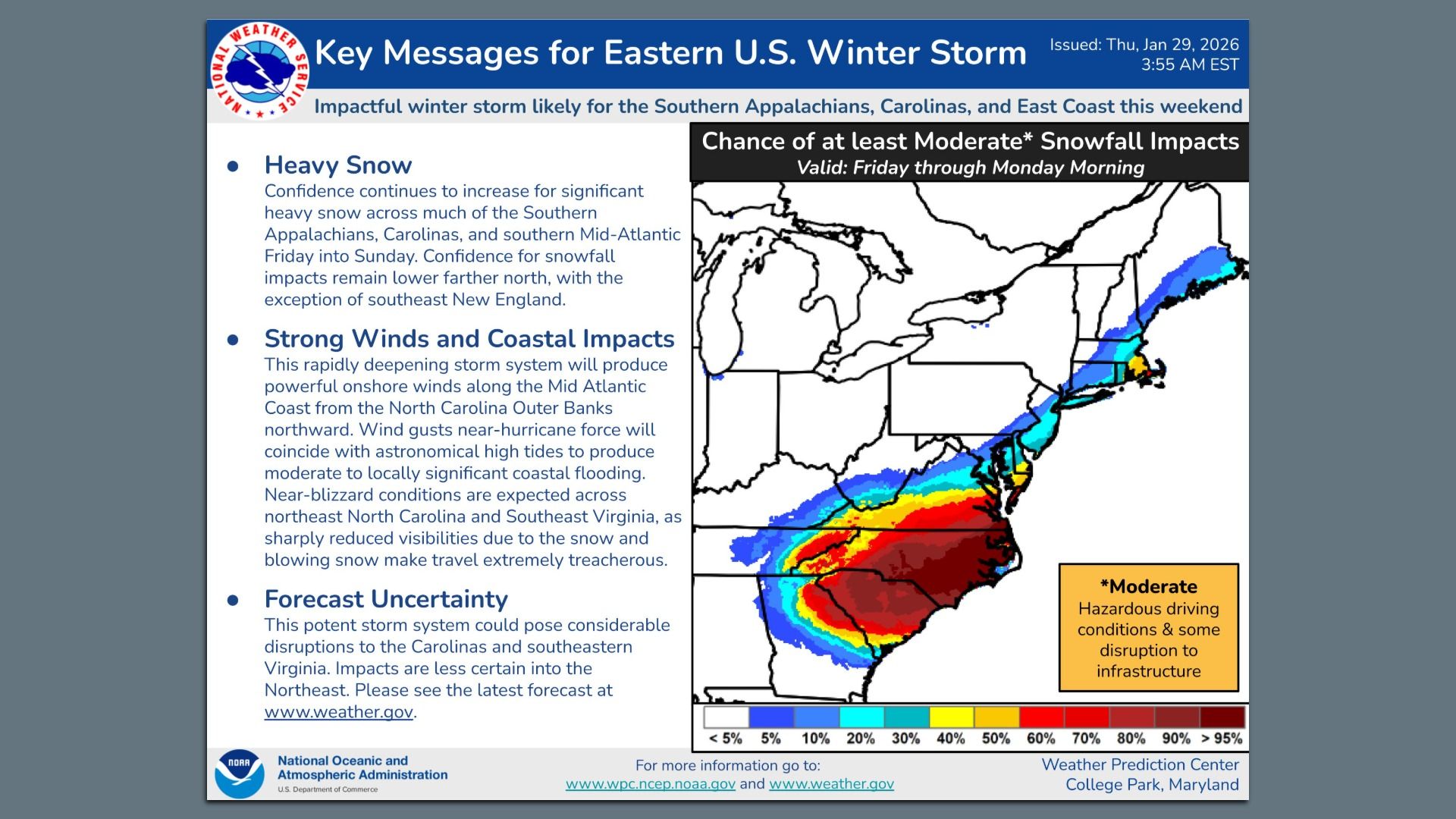
Forecasters are eyeing another winter storm that could drop several more inches of snow in places that still haven't thawed out from last weekend's record-setter.
Threat level: "The storm will produce snow and rain over parts of the Middle/Lower Mississippi Valley by Thursday evening, then move across the southern Ohio and Tennessee Valleys on Friday morning," the National Weather Service said on Thursday morning.
Tesla robotaxis are consistently cheaper than Uber, Lyft or Waymo in San Francisco, according to a fresh study of the rapidly evolving market.
Why it matters: The economics of ride-hailing are changing quickly as robotaxis hit the road — and over time, their high utilization and lower labor costs could make them the cheapest option.
Jeff Bezos' climate philanthropy is staking efforts to pave the way for building at least 10 new U.S. nuclear reactors.
Why it matters: The $3.5 million grant to the nonprofit Nuclear Scaling Initiative envisions an "orderbook" that "brings together multiple buyers to commit to building the same reactor design."