Robert Redford, the iconic actor who died Tuesday at 89, left a legacy that stretched beyond movies into environmental activism.
The big picture: Redford, who founded the Sundance Film Festival and pioneered the independent film scene, spent decades sounding the alarm on climate change.
RICHMOND, Va. — Virginia voters are raising questions about data centers and rising electricity rates as the state's November election nears — and energy officials, businesses and others are scurrying to answer them.
Why it matters: With most other states' elections happening a year from now, Virginia is seen as a bellwether of how hot-button political issues will play out nationally.
The Canadian founder of a Canada-based direct air capture startup would have preferred to sell to a company there over the U.S. oil producer who ultimately bought it: Texas-based Occidental Petroleum.
Why it matters: The insight, revealed to Axios in an interview that published this week as part of a new episode in the "Shocked" podcast, provides a glimpse into the sometimes-surprising factors at play in major deals.
Data: Climate Central; Map: Axios Visuals. Note: The 75th percentile temperature is based on the 1991-2020 reference period.
Summer temperatures are hanging around longer nationwide compared to the early 1970s, a new analysis finds, as climate change affects the four seasons.
Why it matters: Temperatures staying relatively high for longer periods can increase cooling demand, make life miserable for teachers and students in rooms without A/C, mess with farmers' growing seasons, and prolong the risk of heat-related illnesses.
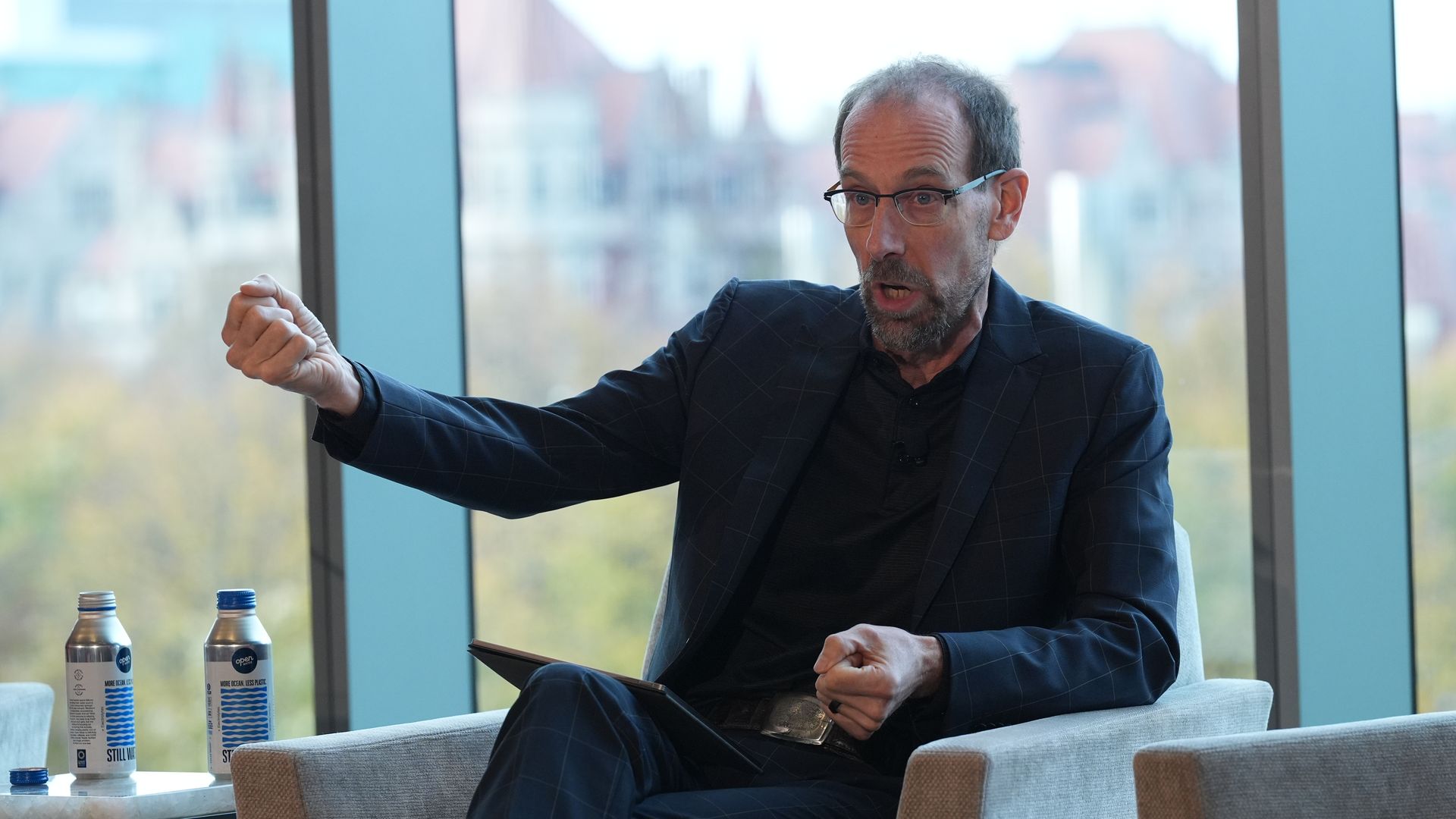
Climate scientist David Keith said he's at least twice called police because of threats related to his work on solar geoengineering, in which a portion of the Sun's rays are reflected into space to temporarily cool the planet.
Why it matters: The incidents reflect — no pun intended — important lessons with regard to society's debates over climate and energy.
Pakistani politician Hina Rabbani Khar remembers the horrific 2022 floods in her country as a turning point in the debate over climate change — and to what extent the practice of solar geoengineering should be considered.
Why it matters: Solar geoengineering — reflecting a small portion of the Sun's rays back into space to temporarily cool the planet — is increasingly being considered as climate change worsens extreme weather.