The National Audubon Society is introducing a new certification program: Cattle ranchers who can show that their ecological practices will restore bird populations will earn the designation "bird-friendly beef" for their products.
Three billion North American birds have perished since the 1970s, and global warming may push many more to the brink of extinction, per Audubon.
Audubon created a "bird-friendliness index" to evaluate conservation success in grasslands, where bird populations are particularly hard-hit.
Why it matters: Instead of making war on ranchers and encouraging people to boycott red meat, Audubon is launching its "Conservation Ranching Initiative," which it calls a "market-based conservation approach [that] offers incentives for good grassland stewardship through a certification label on beef products."
For the first time, Audubon says, consumers "can contribute to grassland conservation efforts by selectively purchasing beef from Audubon-certified farms and ranches."
What they're saying: "It’s a quietly radical move," according to The Counter, a food industry news site. "Historically, U.S. wildlife conservation efforts have focused on preserving habitat."
"But Audubon’s new strategy is specifically geared toward improving the environmental value of working lands, implying that 'nature' and 'agriculture' are not mutually exclusive entities."
The bottom line: Bird populations decline when pesticides are applied to fields, and tend to return once landscapes are "re-wilded."
"In exchange for going through the ropes, ranchers with lands certified by Audubon receive the organization’s 'raised on bird-friendly land' seal to leverage sales of their beef for environmentally conscious consumers," The Counter says.
The White House announced Tuesday that it has restored three "key" climate change protections to the National Environmental Policy Act (NEPA) that had been dismantled during the Trump administration.
State of play: The protections require federal agencies to evaluate the climate impacts of the projects they are working on, as well as encouraging them to work with communities to "mitigate or avoid environmental harms by analyzing common sense alternatives."
A K Street powerhouse with friends in both parties is making a closed-door and, as of today, public pitch for policies that shore up fossil fuel supplies in the short term while transitioning toward clean energy over time.
Driving the news: The Business Roundtable's new energy policy "roadmap," unveiled Tuesday and provided first to Axios, comes in response to high energy prices related in part to the COVID-19 pandemic and the war in Ukraine.
Congested cities stand to benefit the most from switching to electric vehicles, yet they often have the fewest places to charge them. As EVs become increasingly available, the plug problem is finally getting more attention.
Why it matters: Transportation is the leading cause of greenhouse gas emissions in the U.S. Replacing gasoline cars with EVs could go a long way toward helping the planet.
The Biden administration'sleasing policy finds a White House grappling with the dueling pressures of tight energy markets and a fast-warming planet.
Catch up fast: The Interior Department will resume selling oil-and-gas leases on federal lands but raise the fees companies must pay on what they produce, the agency said Friday afternoon.
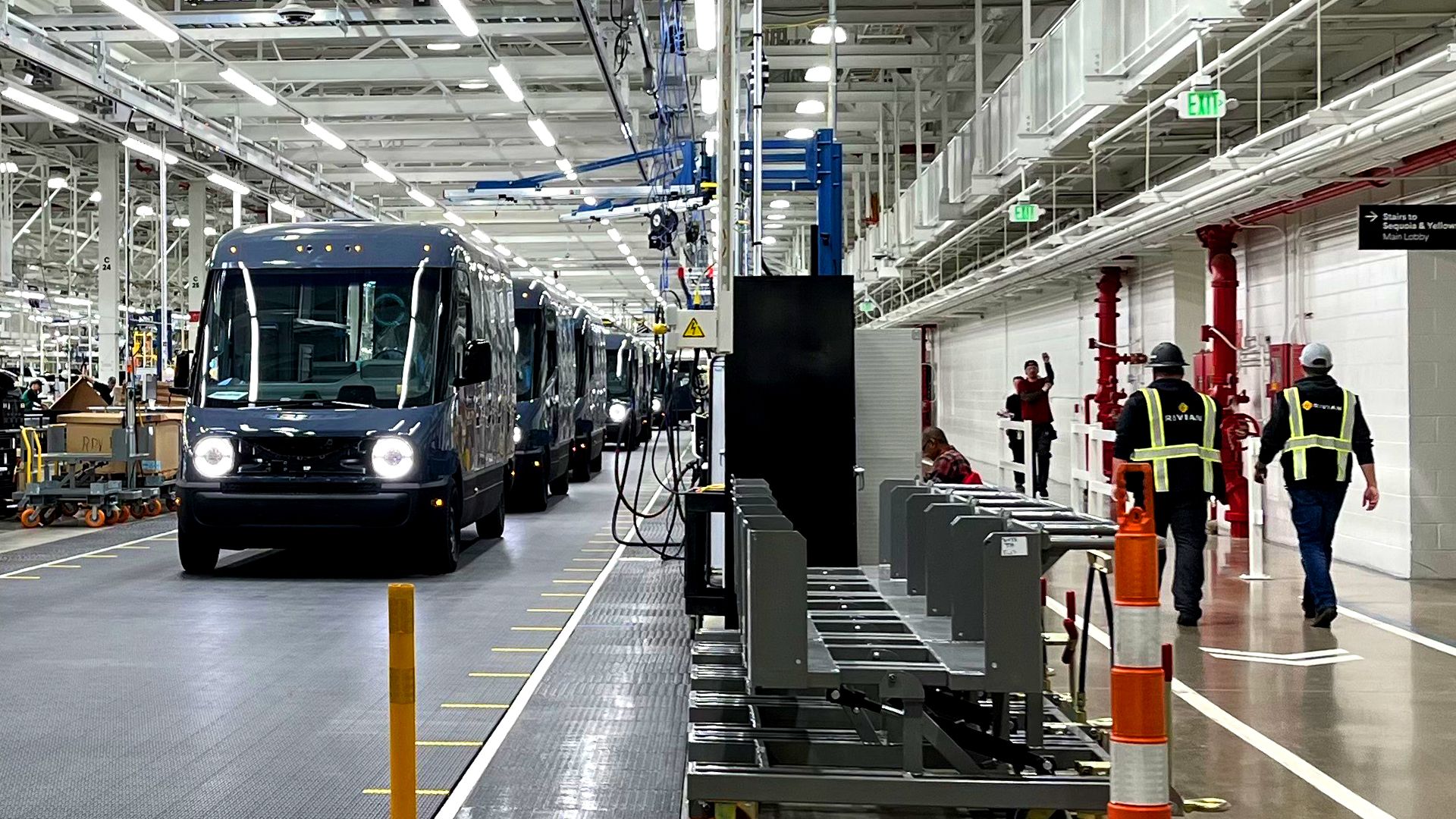
Rivian, the most promising automotive startup since Tesla, has exquisite timing: It's ramping up production of game-changing electric pickup trucks and delivery vans just as gas prices are soaring and people are looking for alternatives to fossil fuels.
Yes, but: Rivian's vehicles are also launching into the teeth of unprecedented, industrywide supply chain disruptions that could delay or derail the company's ambitious growth plans.