White House deputy climate adviser Ali Zaidi said the administration is working to advance new climate technologies at the same time it is working to reduce emissions, from direct air capture to sustainable aviation fuels.
Why it matters: Speaking at Axios’ inaugural What’s Next Summit on Tuesday, Zaidi said that President Biden is trying to meet people where they are, which includes the historic tapping of the Strategic Petroleum Reserve to try to lower gas prices.
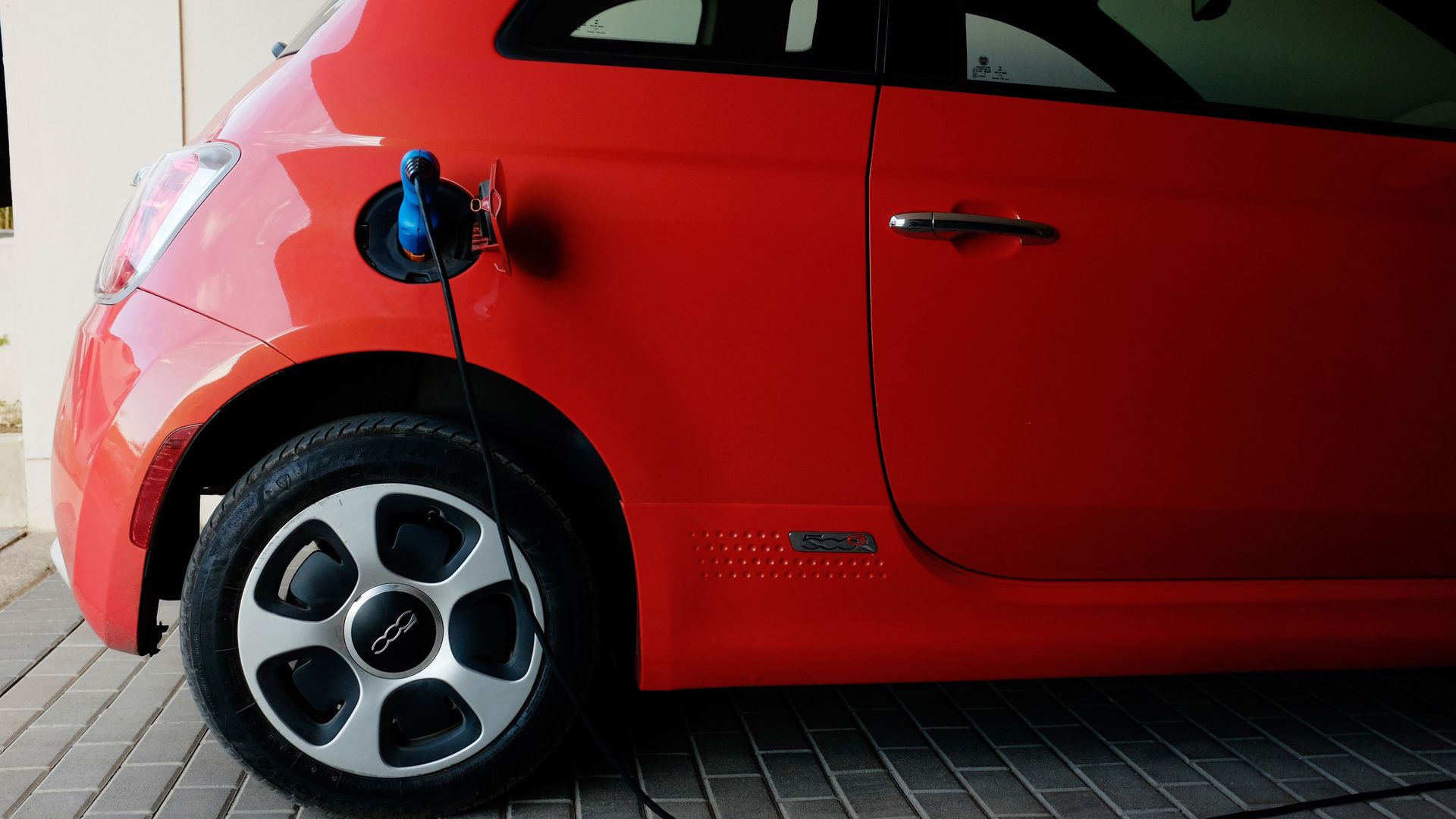
The enthusiasm for electric vehicles is high in parts of Latin America, but sales are lagging due to expensive options and a lack of charging stations.
Driving the news: Brazil leads the world in residents interested in purchasing EVs, according to a recent survey by Morning Consult on consumer trends in the automotive and shared mobility sectors.
The CEO of General Motors, Mary Barra, said at the Axios What's Next summit on Tuesday that hybrid work sped up the company's electric vehicle program thanks to the creativity of her employees.
Driving the news: Earlier on Tuesday, GM announced a partnership with Honda to help scale production of electric vehicles, partially in hopes to bring a more affordable version of an EV to the mass market, Barra explained.
A major new report from the UN Intergovernmental Panel on Climate Change calls for an urgent shift away from fossil fuels toward renewable energy technologies in order to rein in global warming.
Why it matters: The IPCC's assessment reports set the terms of the climate debate with world leaders, CEOs and activists. A 2018 report galvanized a global youth protest movement.
An agenda-drivingUnited Nations climate report is about to drop that will lay out pathways toward a lower-carbon, more resilient and less perilous future.
The intrigue: It was supposed to surface hours ago, but negotiations between UN Intergovernmental Panel on Climate Change (IPCC) scientists and the panel's government representatives blew way past their deadline.
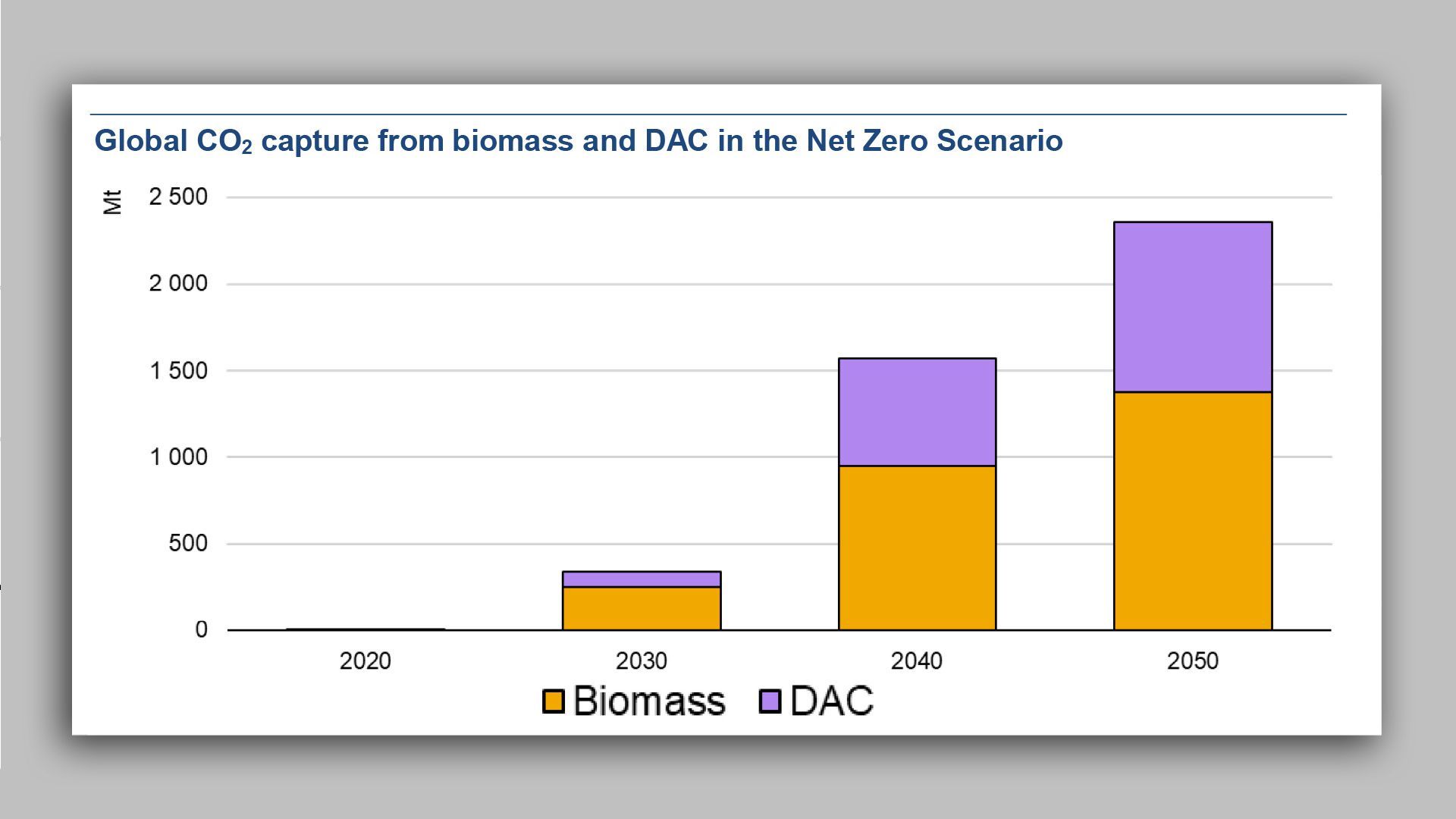
There's growing financial and policy momentum behind direct air capture tech that pulls CO2 from the atmosphere, a new International Energy Agency report finds.
Yes, but: There's a long way to go before the tech, which is only in nascent stages of deployment, can play a meaningful role in combating climate change.