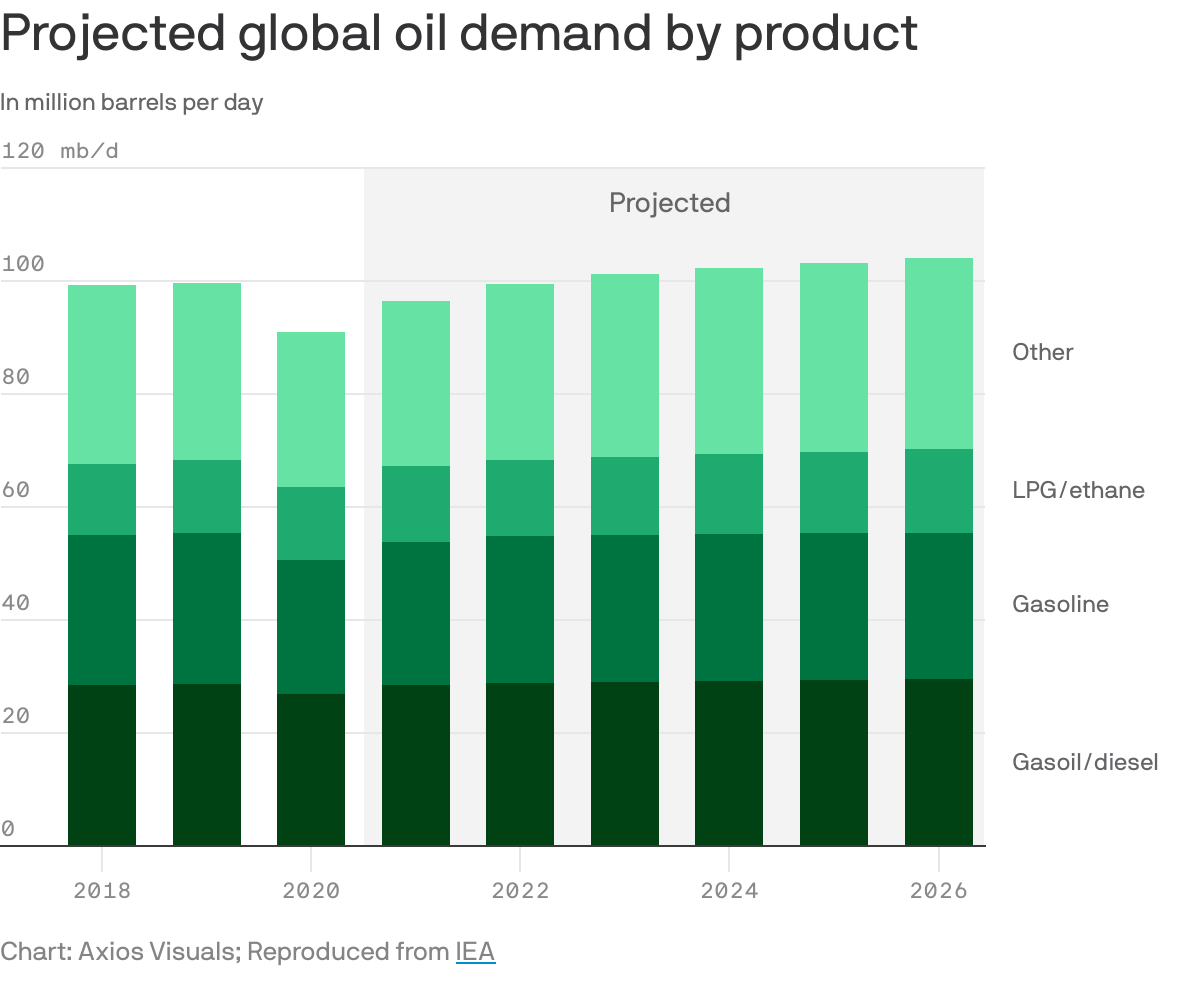
Global oil demand is slated to rise above pre-pandemic levels over the next few years but nonetheless remain lower than it would have been absent COVID-19's emergence, a new International Energy Agency analysis project.
Why it matters: The pandemic is certainly having a lasting effect — its mid-decade demand estimate is 2.5 million barrels per day lower than the growth level expected before the crisis.
Environmental groups have filed a complaint with the Federal Trade Commission alleging Chevron's ads mislead consumers by painting an inaccurate picture of the oil giant's clean energy activities.
Why it matters: The groups — Greenpeace, Earthworks and Global Witness — say it's the first such climate complaint filed against an oil company under the FTC's "Green Guides."
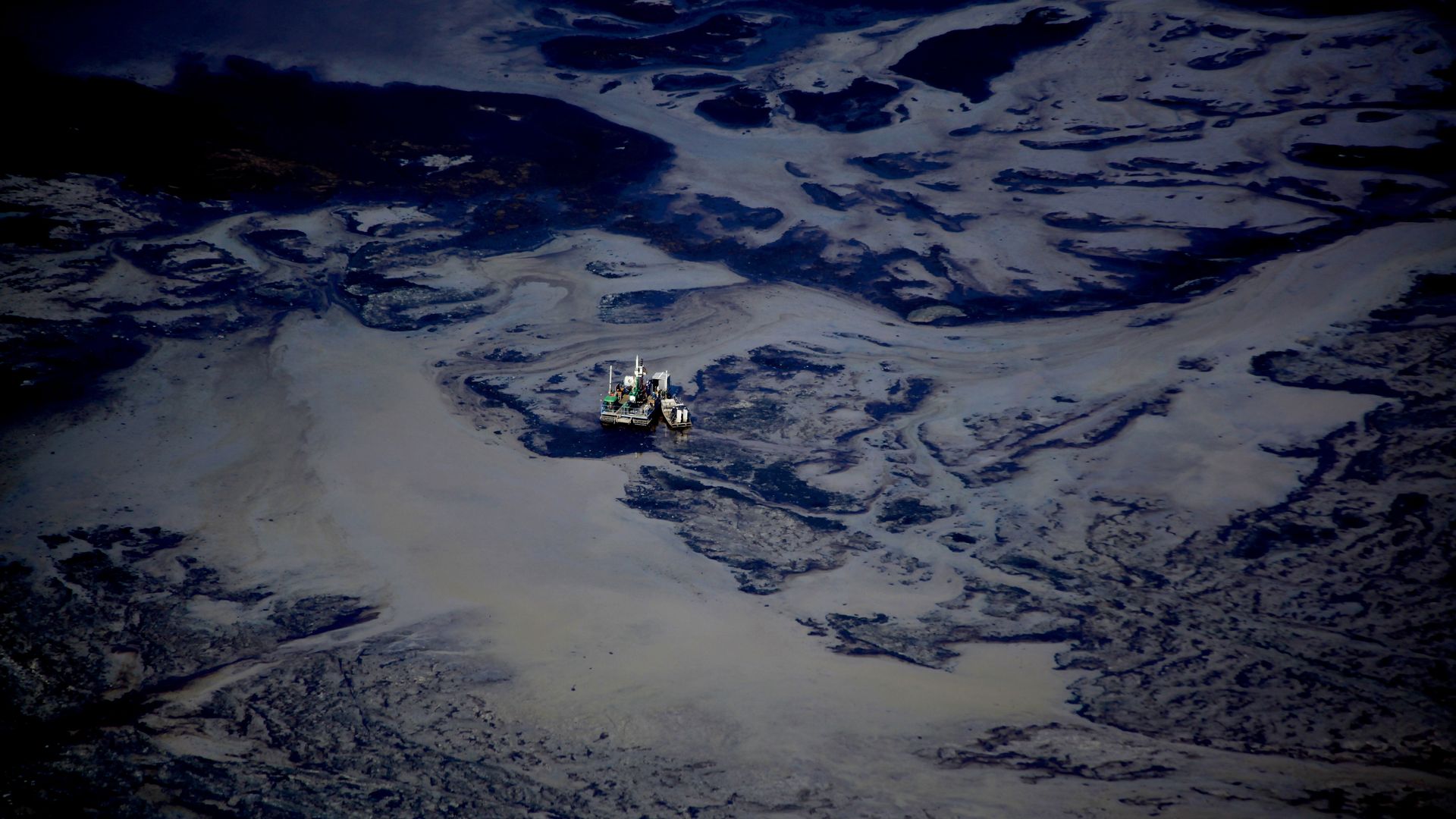
A startup that uses synthetic biology to clean up pollution is taking on a $20 million funding round, Axios has learned.
Why it matters: Bioremediation offers the possibility of cleaning some of the world's most polluted sites using the power of nature — with a little human engineering.
There's fresh evidence that U.S. oil demand is coming back from the pandemic and "this time it looks like it’s here to stay," Bloomberg reports.
The big picture: "Retail gasoline sales rose last week to just 1% below year-ago levels, just before regional lockdowns brought fuel consumption to a crawl, Patrick DeHaan, head of petroleum analysis at GasBuddy said on Twitter," Bloomberg writes.
The Securities and Exchange Commission is formally asking for input about how companies should disclose climate-related risks in filings with the regulators.
Why it matters: It's the latest sign the commission is moving toward the creation of requirements that go beyond efforts to breathe life into existing 2010 guidance to companies.
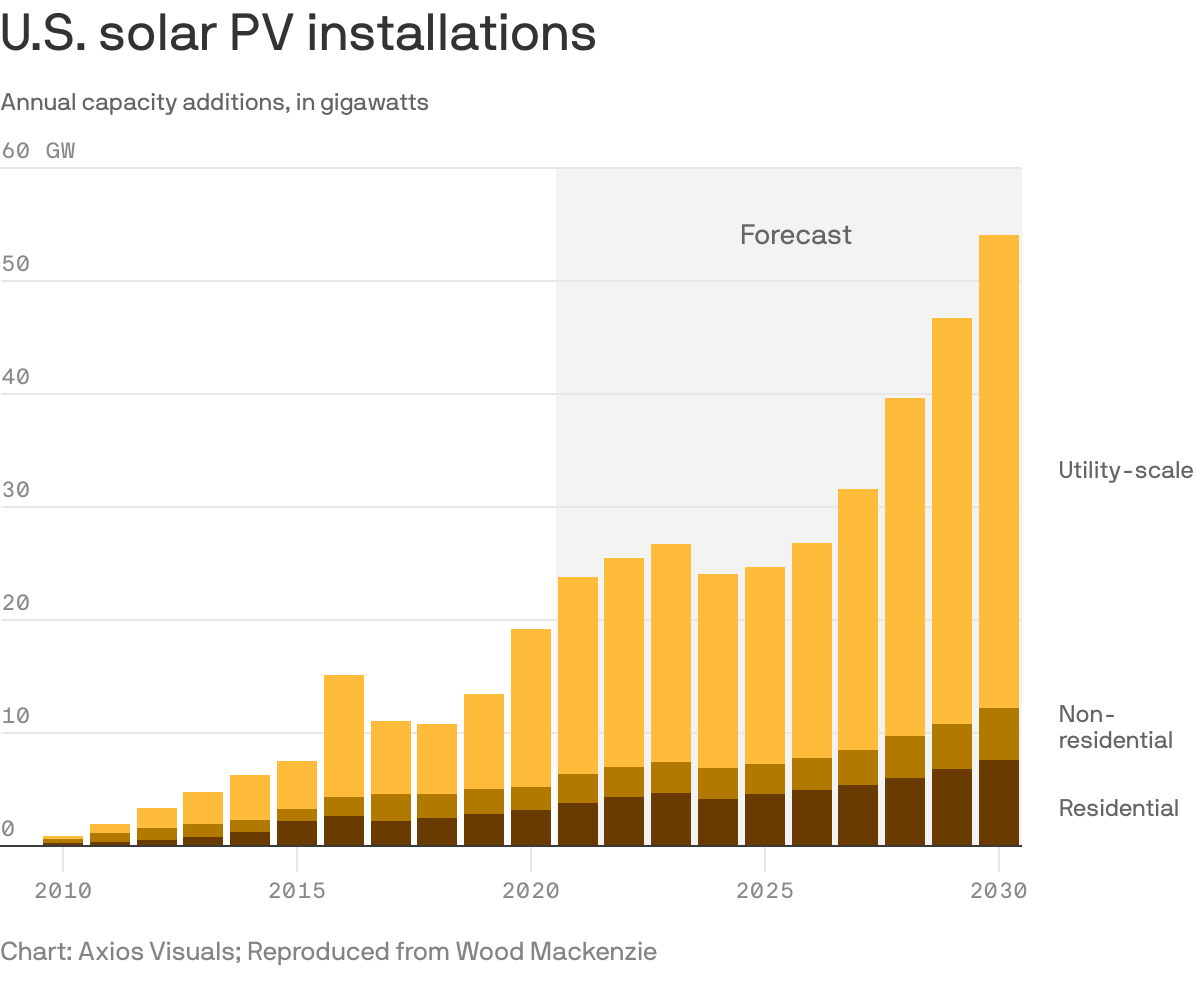
Additions of new U.S. solar generating capacity broke new records last year despite the COVID-19 pandemic slowing some types of projects, per new industry data.
Why it matters: It shows a surge in growth thanks to increasing cost competitiveness, but also how solar continues to benefit from supportive state and federal policies.
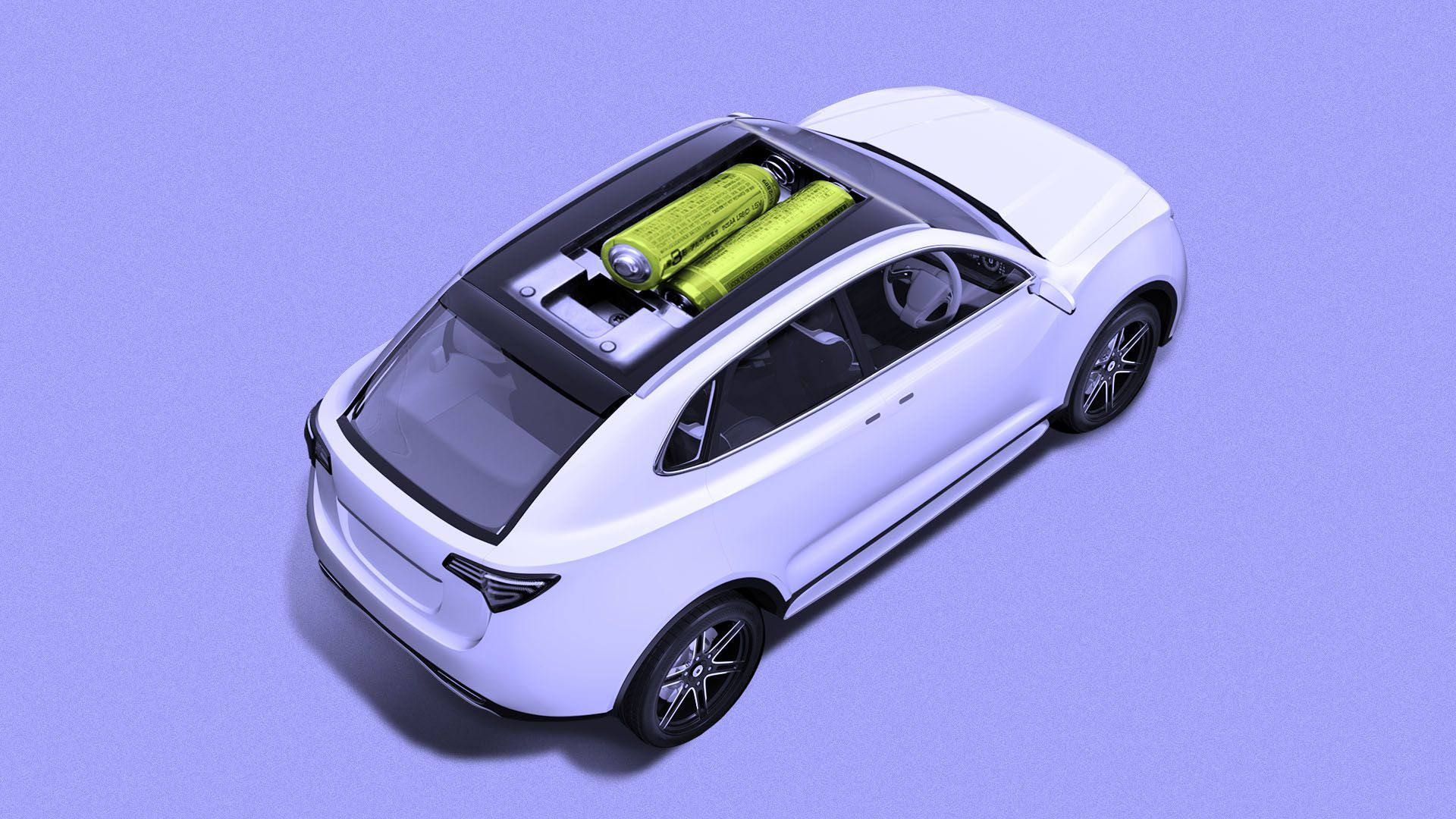
As the auto industry ramps up production of electric vehicles, some big carmakers aren't taking any chances on securing the necessary batteries: they plan to make their own cells.
Why it matters: Efforts to rapidly improve battery technology and make EVs more affordable could be hampered by a shortage of raw materials like lithium, cobalt and nickel. Many automakers are racing to lock up supply chains — and in some cases, to produce batteries themselves.


/2021/03/16/1615900599886.gif?w=3840)