A new book makes the case that sperm counts have been falling for decades — and a major reason is chemicals in the environment that disrupt the body's hormonal system.
Why it matters: The ability to reproduce is fundamental to the viable future of any living thing. If certain chemicals are damaging our fertility over the long term, human beings could end up as an endangered species.
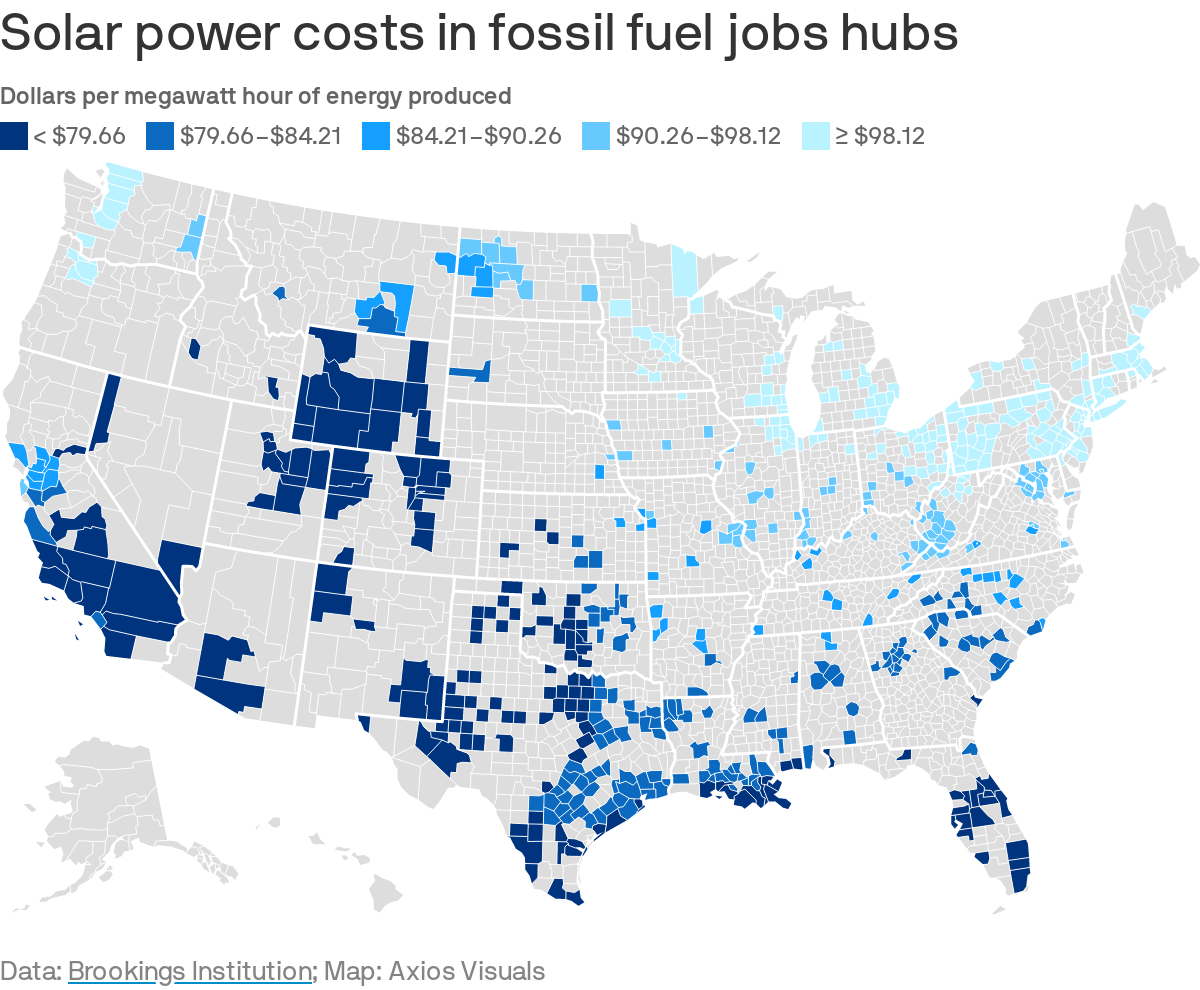
A new analysis shows lots of potential for regions with a high share of fossil fuel jobs to benefit from wind and solar development — with the right policies in place.
Why it matters: The idea of a "just transition" in the energy sector is discussed a lot in climate policy plans, including President Biden's recent executive order.
Over the past two years, electric vehicle and emerging renewable technology stocks have soared as investors priced in the transition away from fossil fuels, but so far in 2021 that narrative has reversed.
By the numbers: XOP, an ETF that tracks the largest U.S. oil and gas companies, has gained nearly 40% so far this year as oil producers like Diamondback Energy and Occidental Petroleum have seen their shares jump by more than 50%.
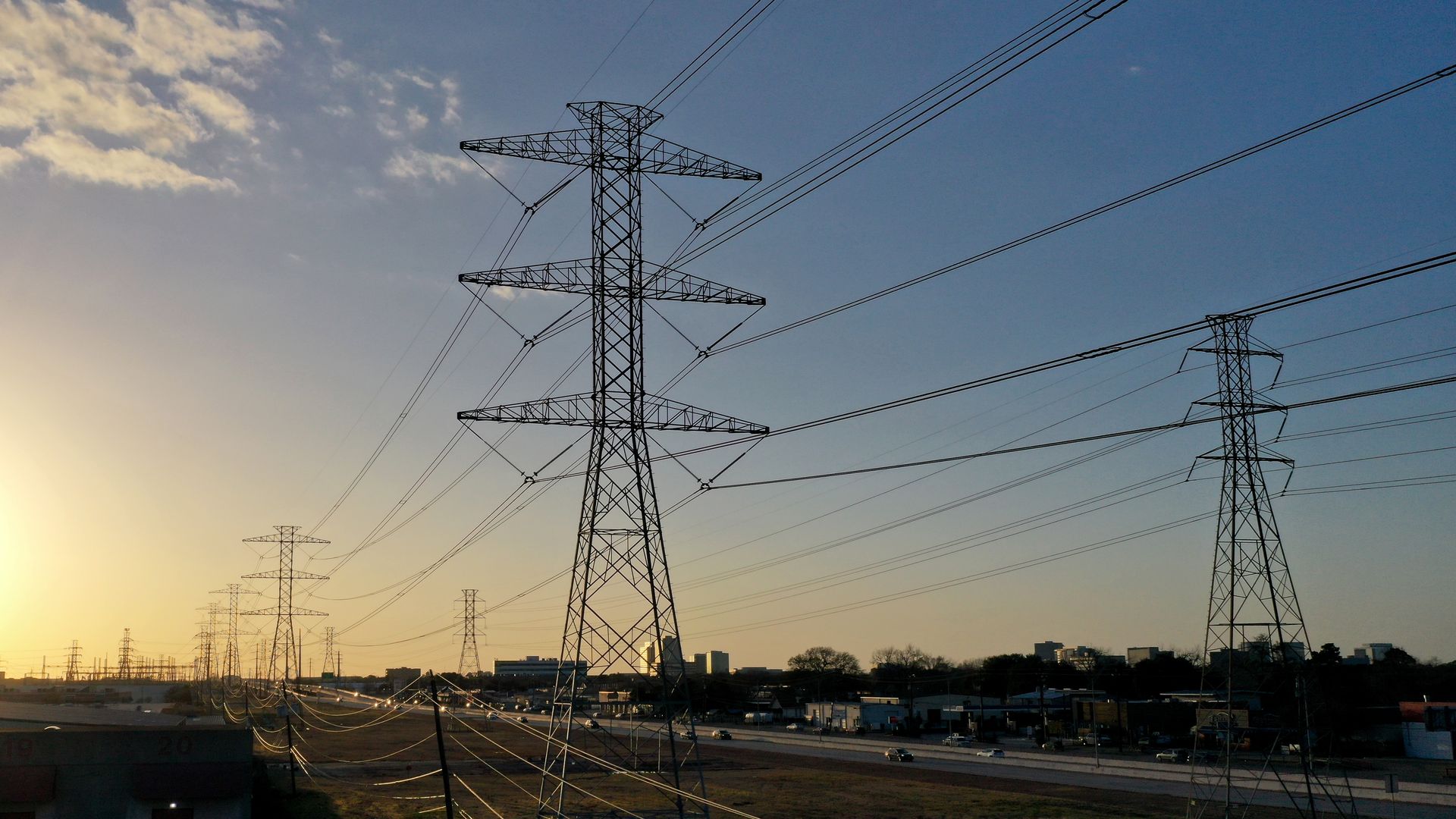
Four members of Texas' power grid operator resigned from their posts Tuesday after a winter storm led millions of homes to lose power across the state last week, according to a public filing.
Why it matters: Their resignations come days after Texas' public utility commission launched a probe to discover the "factors that combined with the devastating winter weather to disrupt the flow of power," throughout the state.
The Senate on Tuesdayvoted 92-7to confirm former Iowa Gov. Tom Vilsack as secretary of the Department of Agriculture.
The big picture: Vilsack, a longtime supporter of President Biden, is returning to the department he led for eight years under the Obama administration. He served as governor of Iowa from 1999 to 2007.
A new post at UC Berkeley's Energy Institute at Haas explores one reason Texas' energy demand got so high during the Arctic blast: lots of new homes to heat.
The big picture: "No U.S. state has built as many new homes as Texas over the last decade, and most of these homes use electric heat," business professor Lucas Davis writes.
Of note: They tend to be less insulated than homes in cold regions and require lots of power when temperatures plummet, Lucas says.
President Biden's pick for Interior secretary faces a balancing act as she defends limits on oil-and-gas development while responding to concerns that the initiatives — and her own policy views — threaten producing states.
Driving the news: Rep. Deb Haaland (D-N.M.) appears this morning before the Senate energy committee vetting her nomination and faces critical questioning from GOP members.
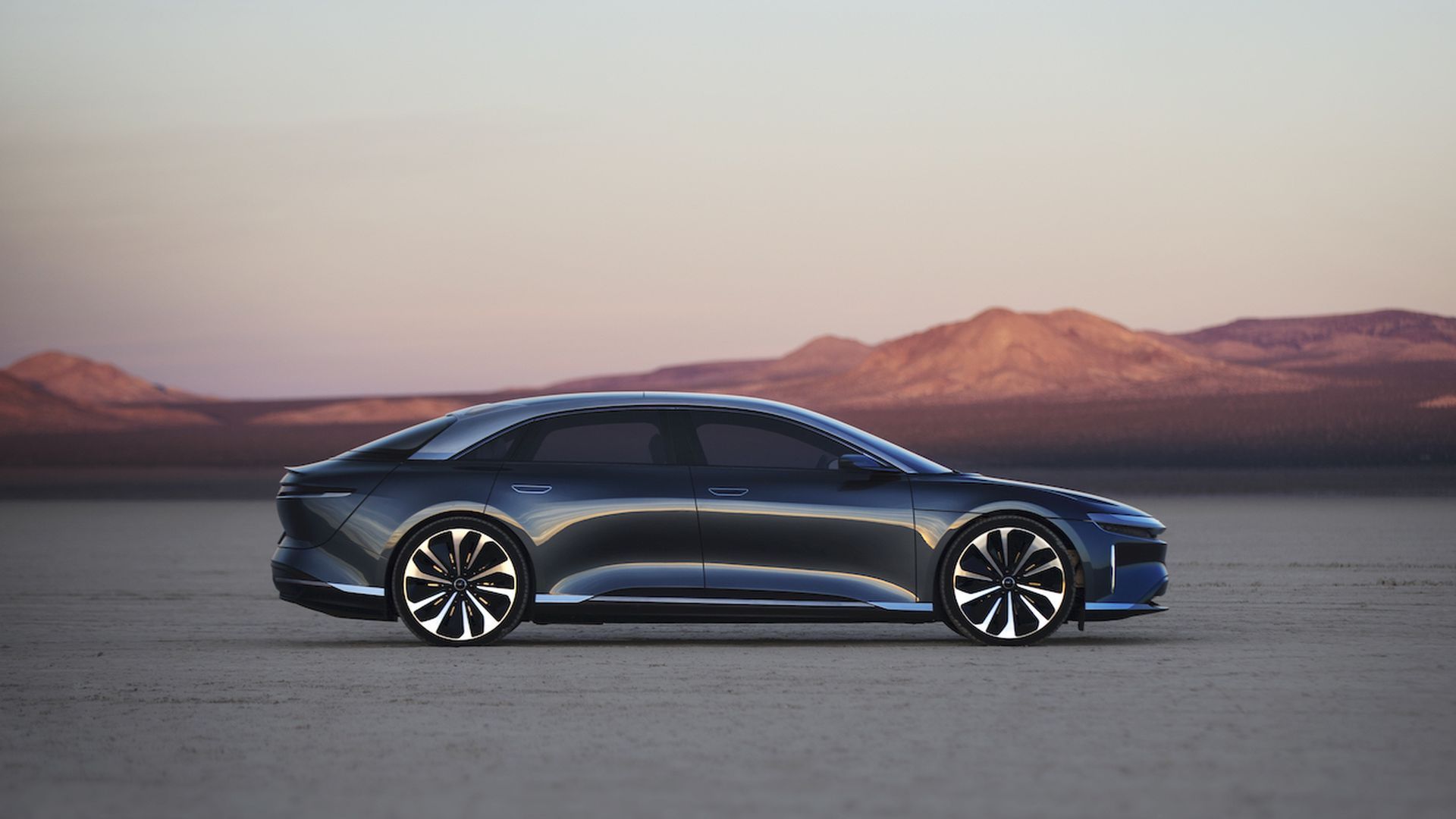
The electric vehicle startup Lucid Motors is going public via merger with the special purpose acquisition company Churchill Capital Corp IV at a valuation of $24 billion, the companies said Monday.
Why it matters: The high value of the transaction with the blank-check firm headed by former Citi exec Michael Klein underscores how Lucid could be well positioned in the growing market.