New Pew Research Center polling underscores the immense difference in how much Democrats are concerned about climate change compared to Republicans.
Driving the news: The chart above shows the five issue areas with the largest partisan gaps in Pew's survey of what U.S. adults want the federal government to prioritize this year.
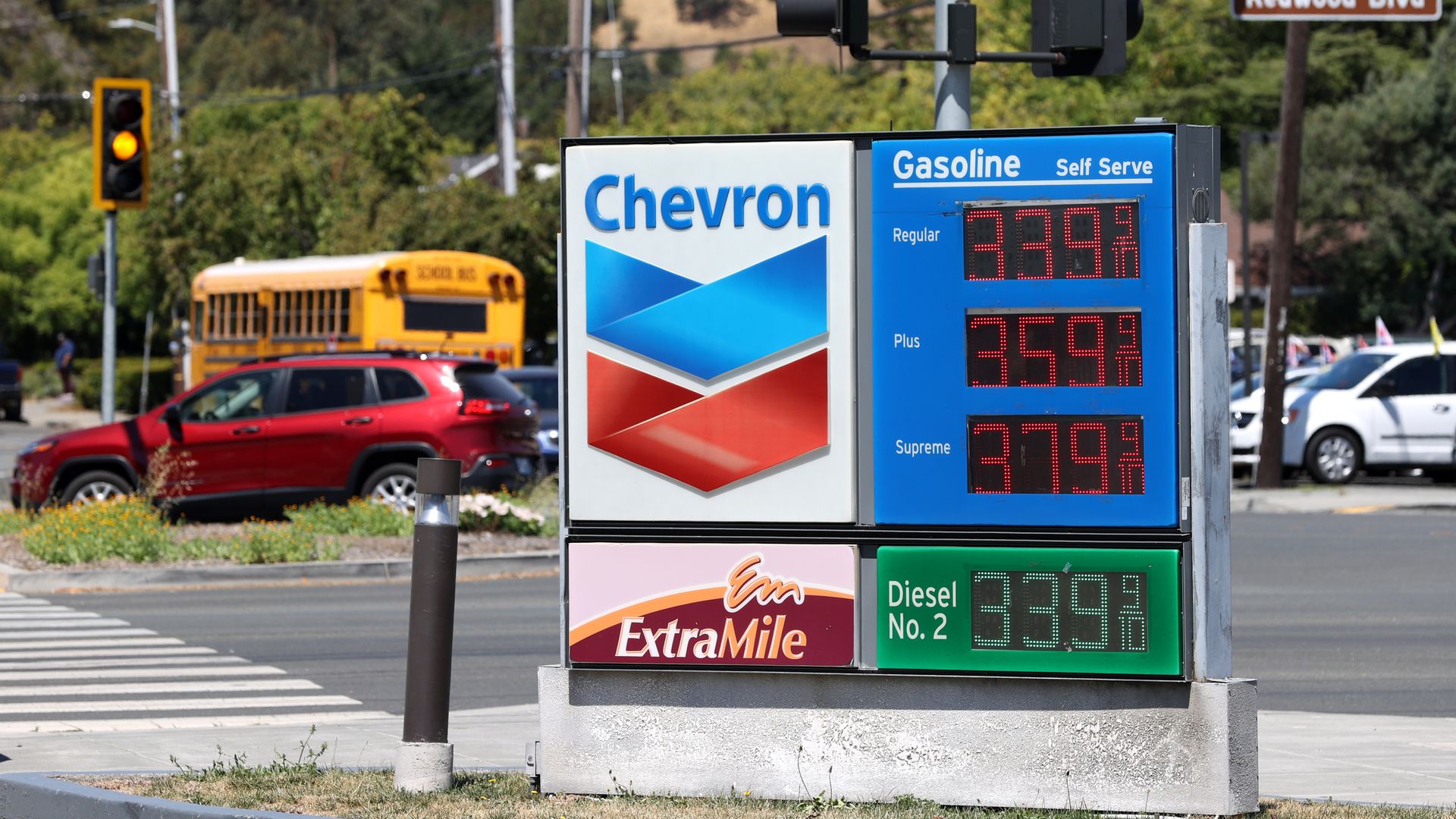
Chevron posted another quarterly loss Friday in the latest sign of how the pandemic is still weighing on oil companies despite some price recovery during the second half of the year.
Driving the news: The oil giant reported a $665 million loss for the October-December period, but it shrinks to $11 million on an adjusted basis after considering charges on its acquisition of Noble Energy and "foreign currency effects."
General Motors (GM) is racing to prepare itself for a president and a world that takes climate change more seriously — and putting the Trump era behind them in the process.
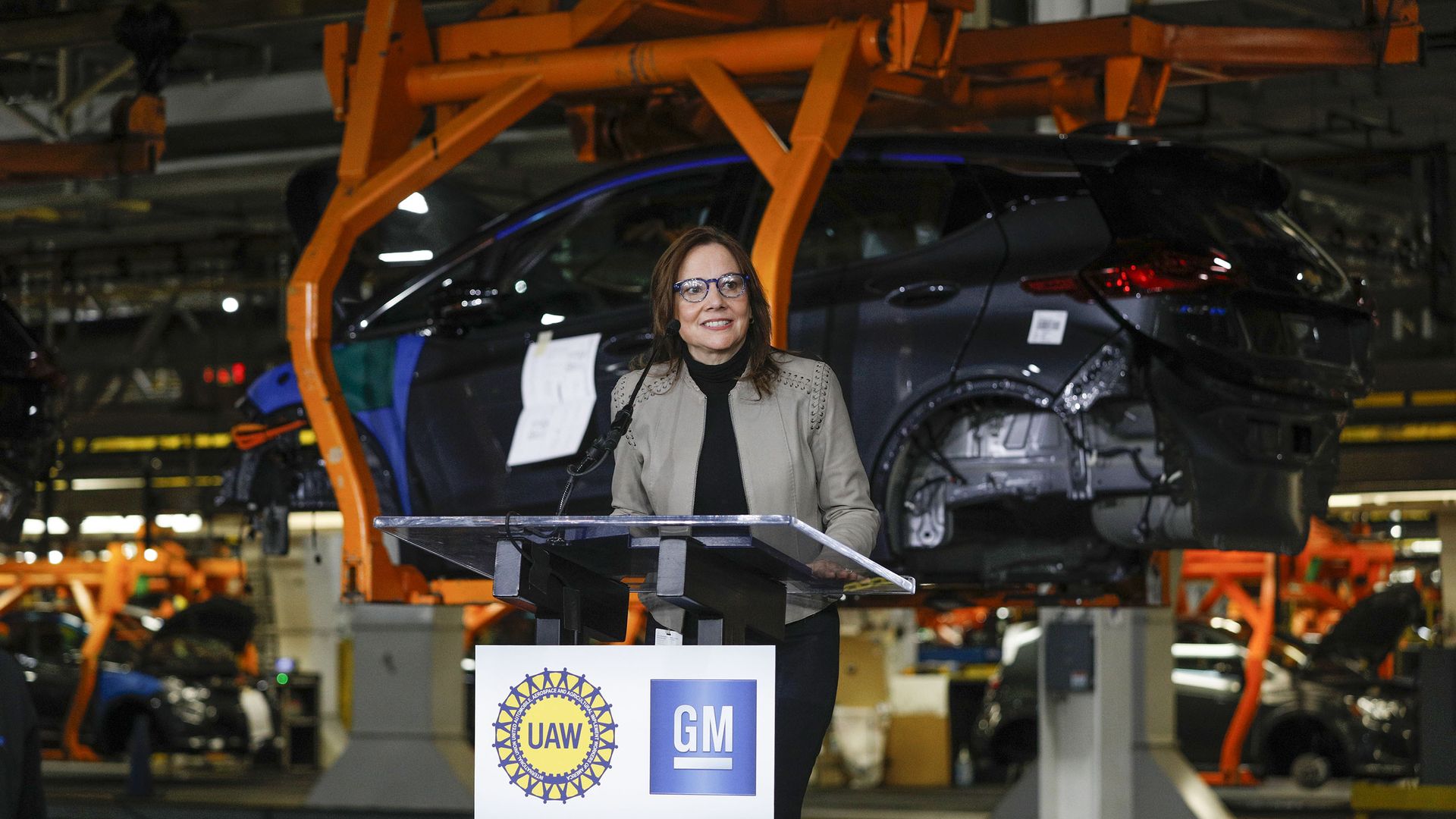
Driving the news: GM yesterday announced an ambitious plan to end global sales of internal combustion vehicles by 2035. It's part of their wider new pledge to be carbon neutral by 2040.
Paul Crutzen, the Dutch atmospheric chemist whose work helped save the ozone layer and who later popularized the idea of the "Anthropocene," died on Thursday.
The big picture: Crutzen's research was key to identifying the role that human-made chlorofluorocarbons (CFCs) played in destroying the ozone layer. But his truly lasting legacy may be his early recognition that human beings had so altered the world that we had entered a new geological epoch: the Anthropocene.
General Motors is setting a worldwide target to end sales of gasoline and diesel powered cars, pickups and SUVs by 2035, the automaker said Thursday.
Why it matters: GM's plan marks one of the auto industry's most aggressive steps to transform their portfolio to electric models that currently represent a tiny fraction of overall sales.
President Biden wants the 650,000 vehicles operated by the federal government to be electric, union-made — and made in America. As Axios' Joann Muller reports, even managing the first two would be extremely difficult. The third, however, is particularly problematic.
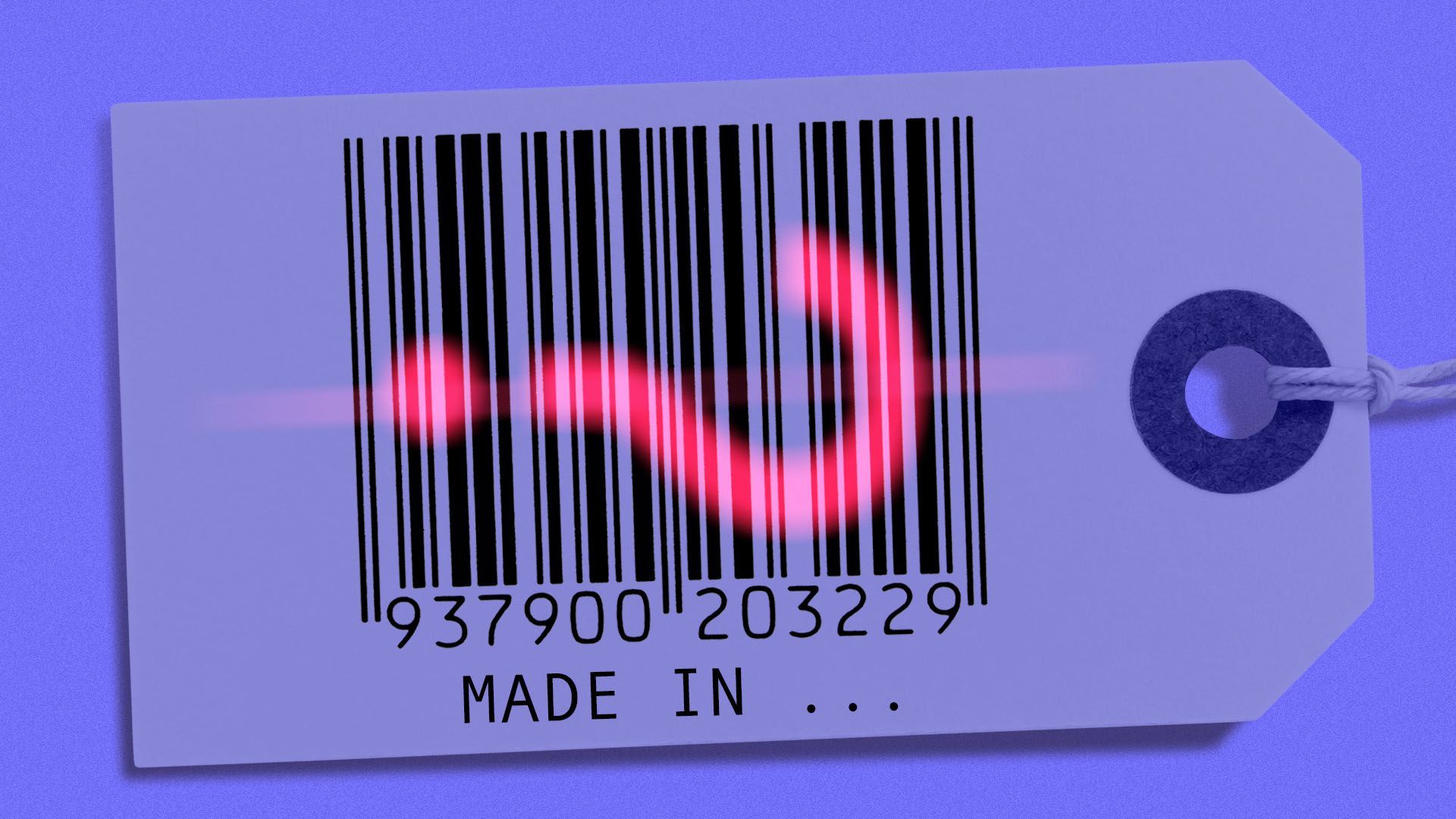
Why it matters: We live in a world of highly complex global supply chains, where "made in" designations are increasingly difficult to determine.
Microsoft this morning disclosed investments in more climate-related companies as part of efforts to make good on its year-old pledge to become "carbon negative" by 2030.
Driving the news: One company the tech behemoth is staking is Climeworks, a firm looking to scale up deployment of direct air capture technology that removes CO2 already in the atmosphere.
ExxonMobil, under pressure to boost financial performance and do more on climate change, says it's on the cusp of changes.
Driving the news: The oil giant said Wednesday it would soon update shareholders on plans to "build long-term, sustainable value," and new steps to commercialize tech that's "key to reducing emissions."