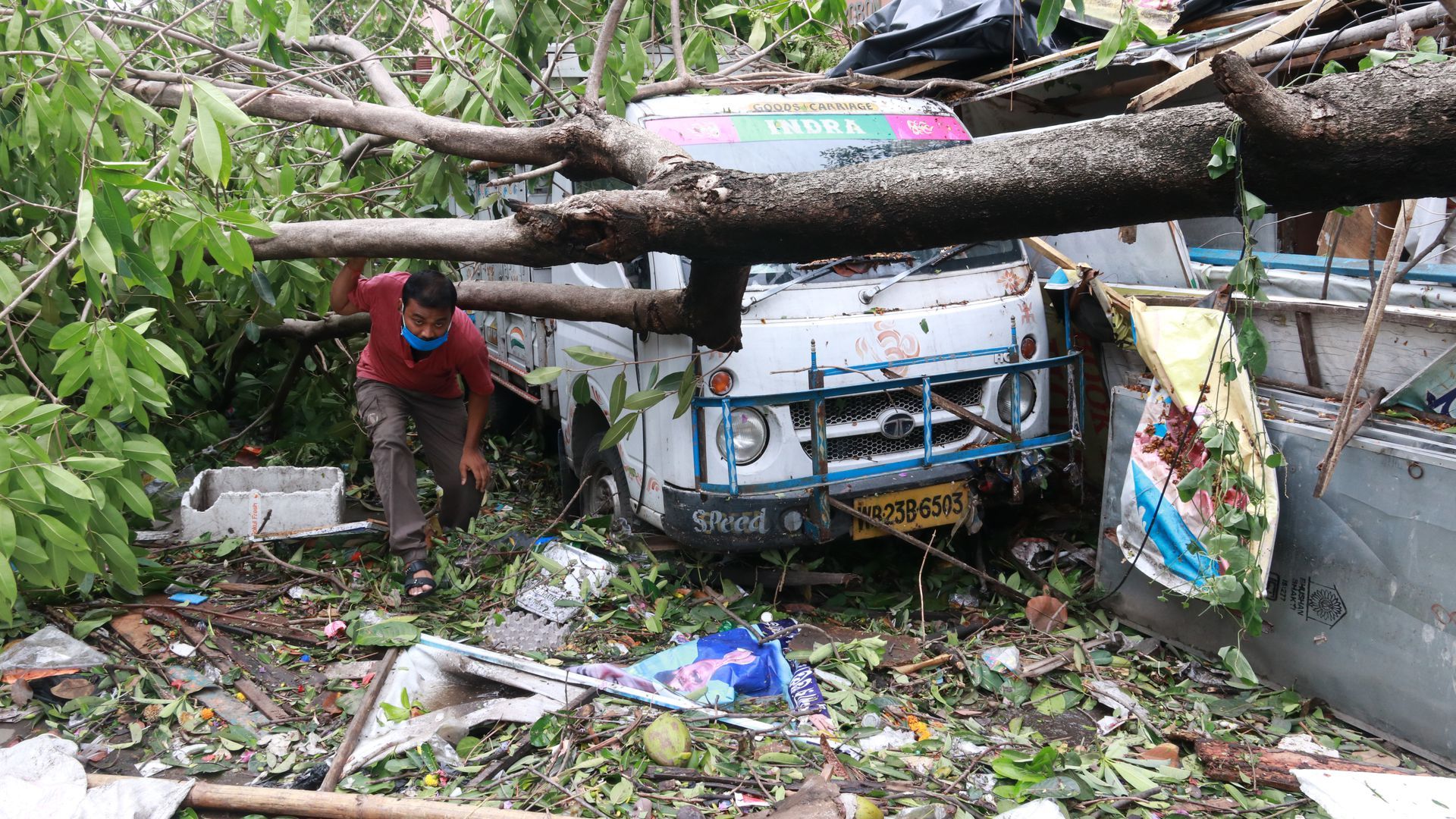
New data indicates that the number of people killed in natural disasters in the first six months of 2020 was much lower than average figures over the past 30 years.
Why it matters: A combination of climate change and more people moving into risk-prone areas can intensify the effects of natural disasters. But better preparation and greater wealth can prevent deaths, even as the overall price of catastrophe rises.
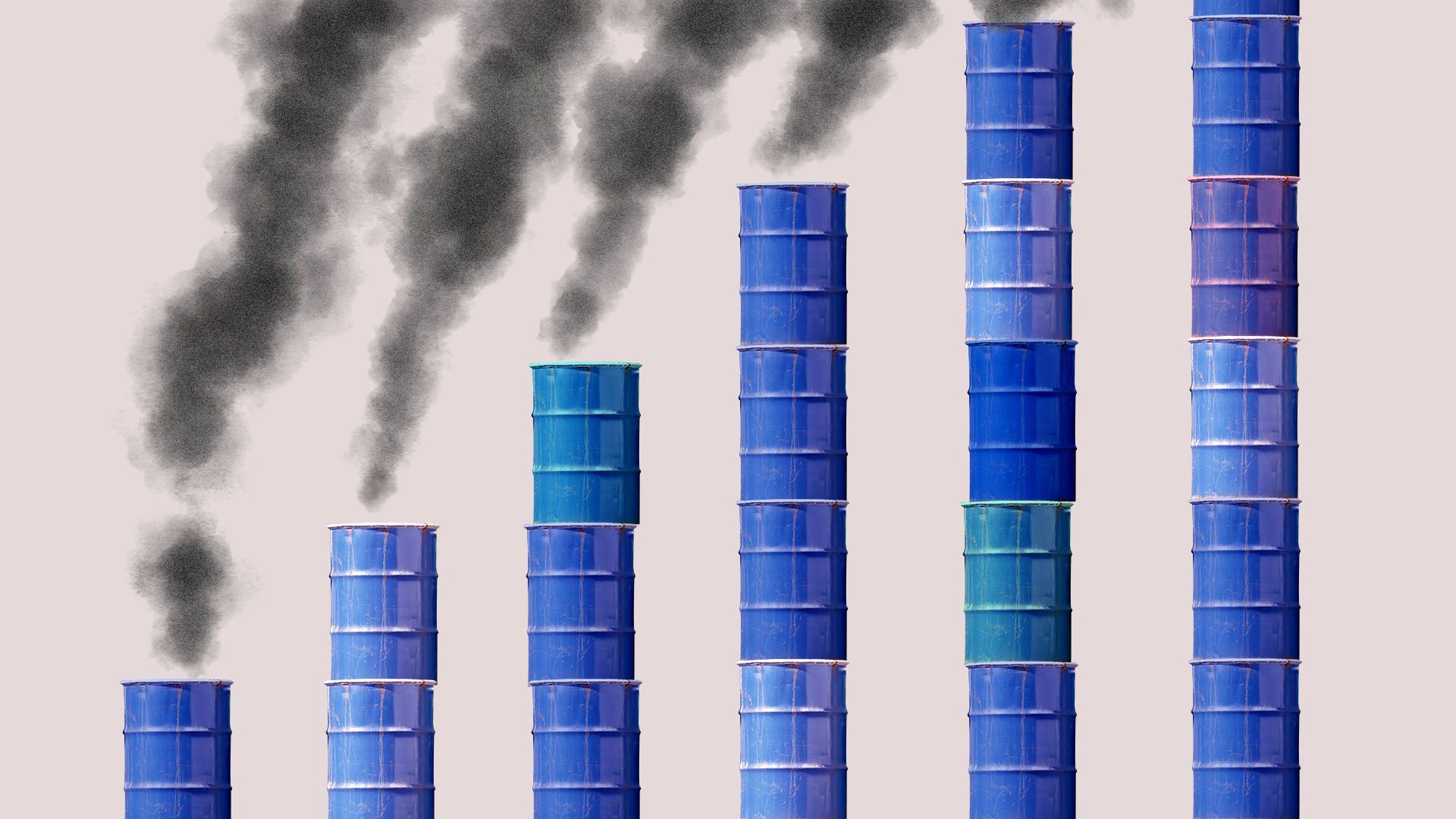
Big Oil's second-quarter financials are going to be a rough scene, but this morning brought a surprise when Equinor announced $350 million in adjusted earnings for the quarter.
Why it matters: The Norway-based multinational's profit was far below the $3.15 billion from the same period a year ago, but analysts had been expecting a loss, Reuters reports.
Several of the most politically vulnerable Senate Republicans are urging Majority Leader Mitch McConnell to include clean energy provisions in the next coronavirus economic recovery package.
Why it matters: The list of signatures is certainly a sign that vulnerable Republicans see a political upside in calling for clean energy policies. It also shows, once again, that energy politics can be quite regional, even in the era of hyper-partisanship.
Biking in America’s biggest cities has dropped due to the coronavirus pandemic, but the decline is less than for driving, according to new data exclusively shared with Axios.
Why it matters: Skyrocketing bike sales and anecdotal evidence suggests cycling could emerge a winner in the pandemic. But this data suggests a bike boom is — so far — unlikely to materialize or make a dent in oil demand.