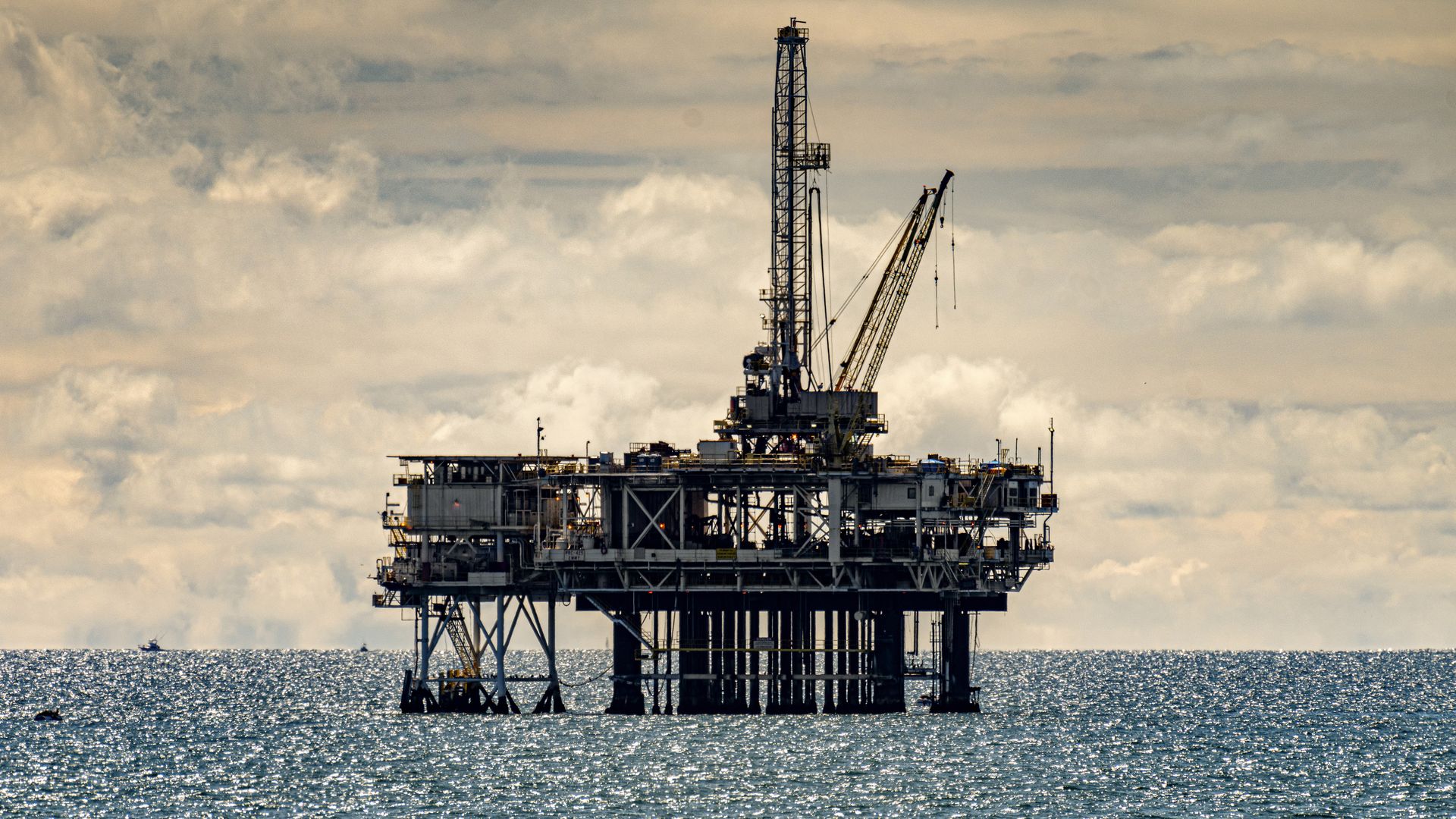
A group of the world's largest oil-and-gas companies this morning pledged near-term cuts to greenhouse gas emissions from their operations.
Why it matters: It's the latest step by energy giants — including Exxon and state-owned behemoths like China's CNPC — to address climate change. Activists say, however, the industry as a whole is moving far too slowly compared to the scope of the problem, especially outside of Europe.
The war against plastic is losing, for now, to the war against the coronavirus.
Where it stands: Reusable everything, from bags to utensils, is considered a potential spreader of COVID-19, so businesses across the spectrum are swapping multi-use products for single-use alternatives, most of which is plastic.
Urban economies need to be rebuilt to prioritize green investments in order to create a more resilient, just society that can withstand global shocks, argue the mayors of many of the world's biggest cities in a report out Wednesday.
Why it matters: "A return to 'business as usual' would not just be a monumental failure of imagination, but lock in the inequities laid bare by the pandemic and the inevitability of more devastating crises due to the climate breakdown," the group of mayors concludes.
Falling costs for battery and fuel cell technology mean that governments can push for widespread deployment of zero-emissions vehicles without straining taxpayers, University of California, Davis researchers say.
Why it matters: Transportation overtook electricity generation a few years ago as the nation's largest source of carbon dioxide emissions.
G20 governments' pandemic recovery packages are steering much more funding to fossil fuel industries and energy-intensive sectors like airlines than "clean" energy, an Energy Policy Tracker project from several think tanks and activist groups shows.
Why it matters: International agencies like the United Nations and International Monetary Fund have been urging governments to prioritize climate-friendly energy in economic recovery packages.
BlackRock, in a report published Tuesday, said this year it has used its shares to take "voting action" against 53 companies that are "making insufficient progress integrating climate risk into their business models or disclosures."
Why it matters: The tally is an early sign of how BlackRock is implementing one element of its wider plan unveiled early this year to make climate change more central to its strategy.
Joe Biden is offering hints about how he’d try to thread the political needle to move big climate and energy plans through Congress.
Why it matters: If the 2020 election opens a path to moving substantial legislation, it's likely to be a fraught and narrow one that could vanish entirely in the 2022 midterm elections.