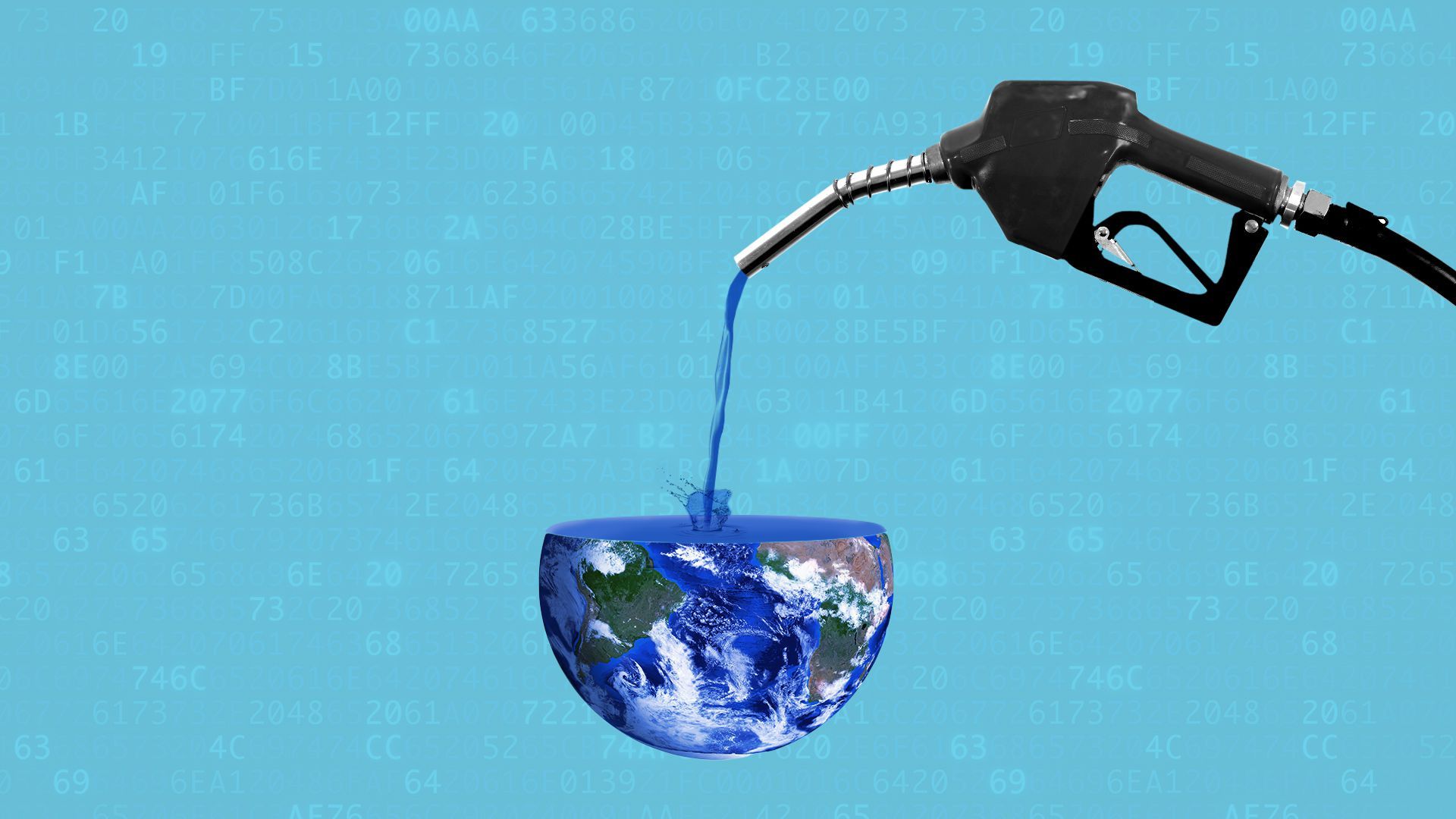
Google will no longer develop new artificial intelligence tools to help oil and gas companies extract crude, the company announced Tuesday.
Why it matters: The tech giant is breaking away from Microsoft and Amazon, both of which have also developed AI in recent years to expedite oil production and make services more efficient for companies like Chevron and GE Oil & Gas. Google's 2018 contract with Total was in place as of February, a Total spokesperson confirmed to Axios at the time.
The world's daily carbon dioxide (CO2) emissions fell by 17% in April — the peak of global lockdowns aimed at slowing the spread of the coronavirus — when compared to 2019 levels, according to a study published in the journal Nature Climate Change on Tuesday.
The big picture: Though researchers say CO2 emission levels are again increasing as lockdowns are gradually lifted, they estimate that total emissions this year will be between 4% and 7% lower than 2019's total, which would be the largest annual decrease since the end of World War II.
The payment tech company Stripe is funding four carbon dioxide removal projects as part of its plan announced last year, which advocates had called a pioneering corporate foray into these nascent markets.
Why it matters: Pulling CO2 out of the atmosphere — not only cutting new emissions — will be an important tool for limiting global temperature rise, a major UN-led scientific report concluded in late 2018.
New analyses about electric vehicles underscore two things: the pandemic is creating unprecedented turmoil for all kinds of energy technologies, and attempts to assess the fallout are more art than science.
Driving the news: A brand new analysis from the research firm BloombergNEF projects that global electric vehicle sales will drop 18% this year, which would end 10 years of growth but represents a smaller decline than their estimated cut to sales of traditional cars.
Tesla is deciding between Austin, Texas, and Tulsa, Oklahoma as the locations for its next U.S. factory, multiple outlets reported in recent days.
Why it matters: The reports, while hedged, add some clarity to the question of where Tesla will build Model Y crossovers for East Coast delivery, as well as the Cybertruck.
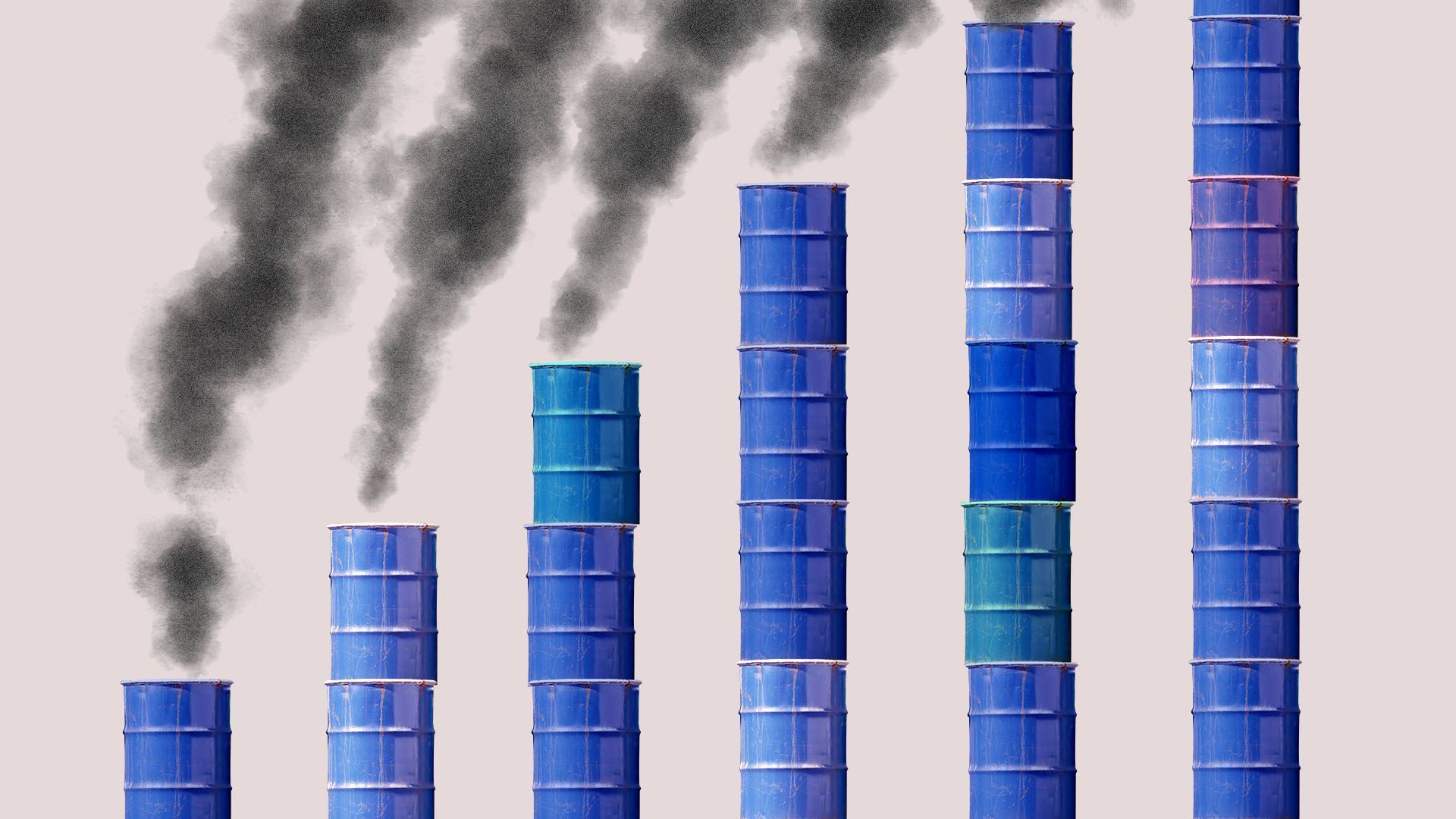
U.S. oil prices are above $30-per-barrel for the first time since mid-March as producers cut output while demand continues recovering from its April depths as restrictions are eased.
Why it matters: The increase eases pressure on the industry, but hardly alleviates the distress as prices remain below profitable levels for many producers and analysts caution that the recovery is shaky.
Bank restrictions on the financing of oil and gas drilling in the Arctic are akin to past practices —known as redlining — of not loaning to communities of color, Energy Secretary Dan Brouillette told Axios in an exclusive interview.
The big picture: A decades-long battle over Arctic drilling is suddenly escalating even as the world grapples with a pandemic. Five of America’s six biggest banks have recently announced they won’t finance oil and gas development in the Arctic, prompting conservative and industry backlash.