The Treasury Department is signaling that it plans to offer more time for renewable power developers to qualify for tax credits as projects are disrupted by the coronavirus pandemic.
Why it matters: The industry is facing supply chain problems and other woes, leading to concern that a suite of projects will miss looming deadlines for incentives that are important for project finance.
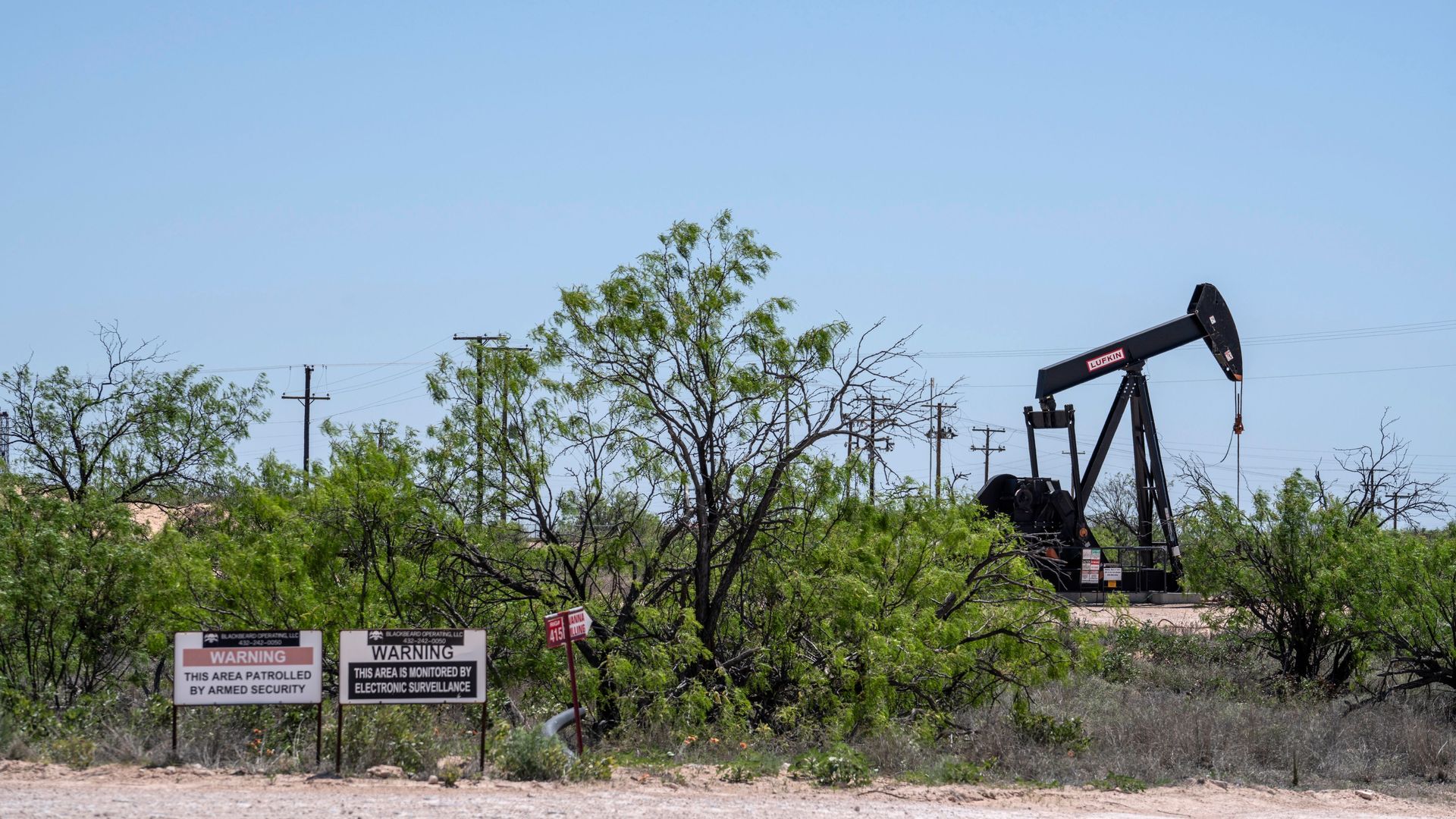
The consultancy IHS Markit now expects roughly 14 million barrels per day of crude oil production worldwide to be "cut or shut-in" during the second quarter.
The big picture: IHS analyst Jim Burkhard, in a statement, said a "rapid and brutal adjustment of global oil supply to a lower level of demand is underway."
The oil industry's painful retrenchment amid the collapse in demand and prices is bleeding into Beltway political battles over pandemic response — and probably into the 2020 election.
Driving the news: Sen. Elizabeth Warren is bashing the brewing Trump administration plan to help distressed U.S. producers, warning against financial aid she says would sap resources better spent elsewhere.
A polar vortex is expected to bring snow over the next few days to parts of the Northeast and Mid-Atlantic and record-challenging cold temperatures from the Upper Midwest to New England, the Washington Post reports.
The big picture "A lobe of the tropospheric polar vortex will pinch off from its main circulation closer to the Arctic, sagging southeast across the eastern Great Lakes and New England, translating to numbingly cold surface temperatures for May," the Post writes.
The coronavirus crisis highlights why the security of supply of key minerals used in renewable power and electric vehicles can't be taken for granted, International Energy Agency analysts say in a new commentary.
Why it matters: Ample supplies of materials including copper, cobalt, lithium, molybdenum and more are needed for wind turbines, electric car batteries and other applications.
U.S. demand for gasoline rose again last week, per Energy Information Administration data that provides the latest sign of fuel consumption recovering a bit.
Why it matters: EIA's weekly data is preliminary and can be noisy, but it was the latest of several weeks of increases, and it's consistent with other signs of driving starting to pick back up.
Federal Reserve Bank of Dallas President Robert Kaplan told Yahoo Finance Wednesday that he expects a substantial number of bankruptcies in the U.S. oil sector despite the recently expanded access to Fed's Main Street Lending Facility.
How it works: "[T]hat program will be designed for companies that would be already be creditworthy," said Kaplan, whose district has a large number of energy companies.
A new research initiative will track the carbon emissions effects of massive economic recovery packages that governments worldwide are crafting in response to the COVID-19 pandemic.
Driving the news: Johns Hopkins University yesterday announced plans for rigorous "climate impact assessments" of the efforts as part of a much wider set of pandemic-related research grants.
In the short term, the coronavirus pandemic is reducing global emissions and helping clear out smog around the world, but it may end up doing more damage to the environment in the long term.
The big picture: The pandemic is helping reduce the use of fossil fuels, but it is decreasing investments in things like wind and solar power and financial assets like green bonds, says Jessica Ground, global head of stewardship at Schroders.