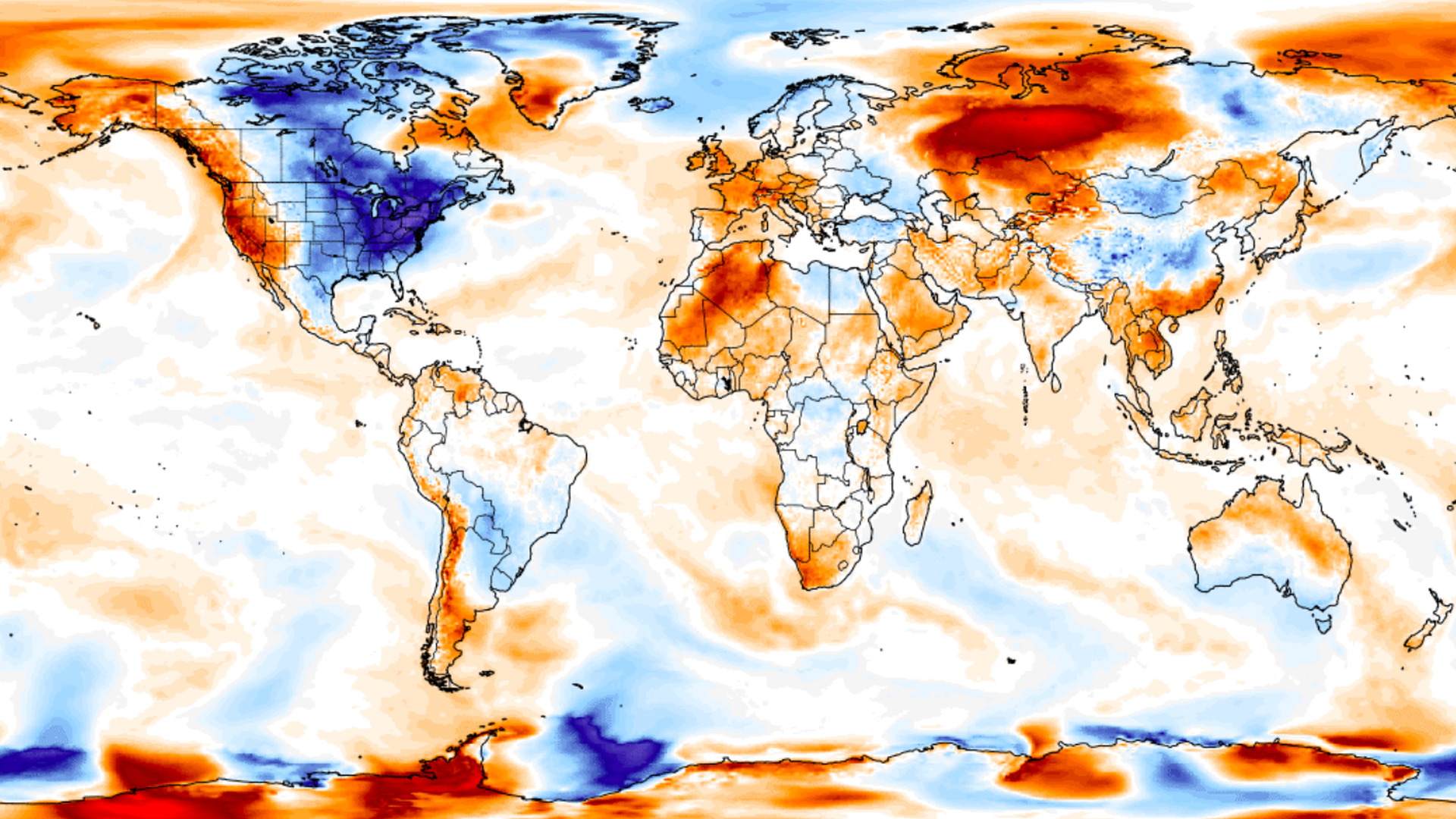
North Carolina, West Virginia, Massachusetts and other states across the eastern U.S. saw snow this weekend as temperatures dropped to levels "virtually unheard of in May," the Washington Post's Capital Weather Gang reports.
Catch up quick: Arctic air crossed into the country from Canada on Friday, freezing Chicago and Indianapolis and dropping snow in the Northeast and across Appalachia.
A pair of scientific studies published this week tracked the dangerous increase in heat and humidity from climate change so far — and projected a future that could be too hot for billions of people.
Why it matters: Don't forget the warming in global warming. A more populous humanity will be hard-pressed to adapt to a world where large stretches of land are simply too hot to live in easily.
The Treasury Department is signaling that it plans to offer more time for renewable power developers to qualify for tax credits as projects are disrupted by the coronavirus pandemic.
Why it matters: The industry is facing supply chain problems and other woes, leading to concern that a suite of projects will miss looming deadlines for incentives that are important for project finance.
The consultancy IHS Markit now expects roughly 14 million barrels per day of crude oil production worldwide to be "cut or shut-in" during the second quarter.
The big picture: IHS analyst Jim Burkhard, in a statement, said a "rapid and brutal adjustment of global oil supply to a lower level of demand is underway."
The oil industry's painful retrenchment amid the collapse in demand and prices is bleeding into Beltway political battles over pandemic response — and probably into the 2020 election.
Driving the news: Sen. Elizabeth Warren is bashing the brewing Trump administration plan to help distressed U.S. producers, warning against financial aid she says would sap resources better spent elsewhere.