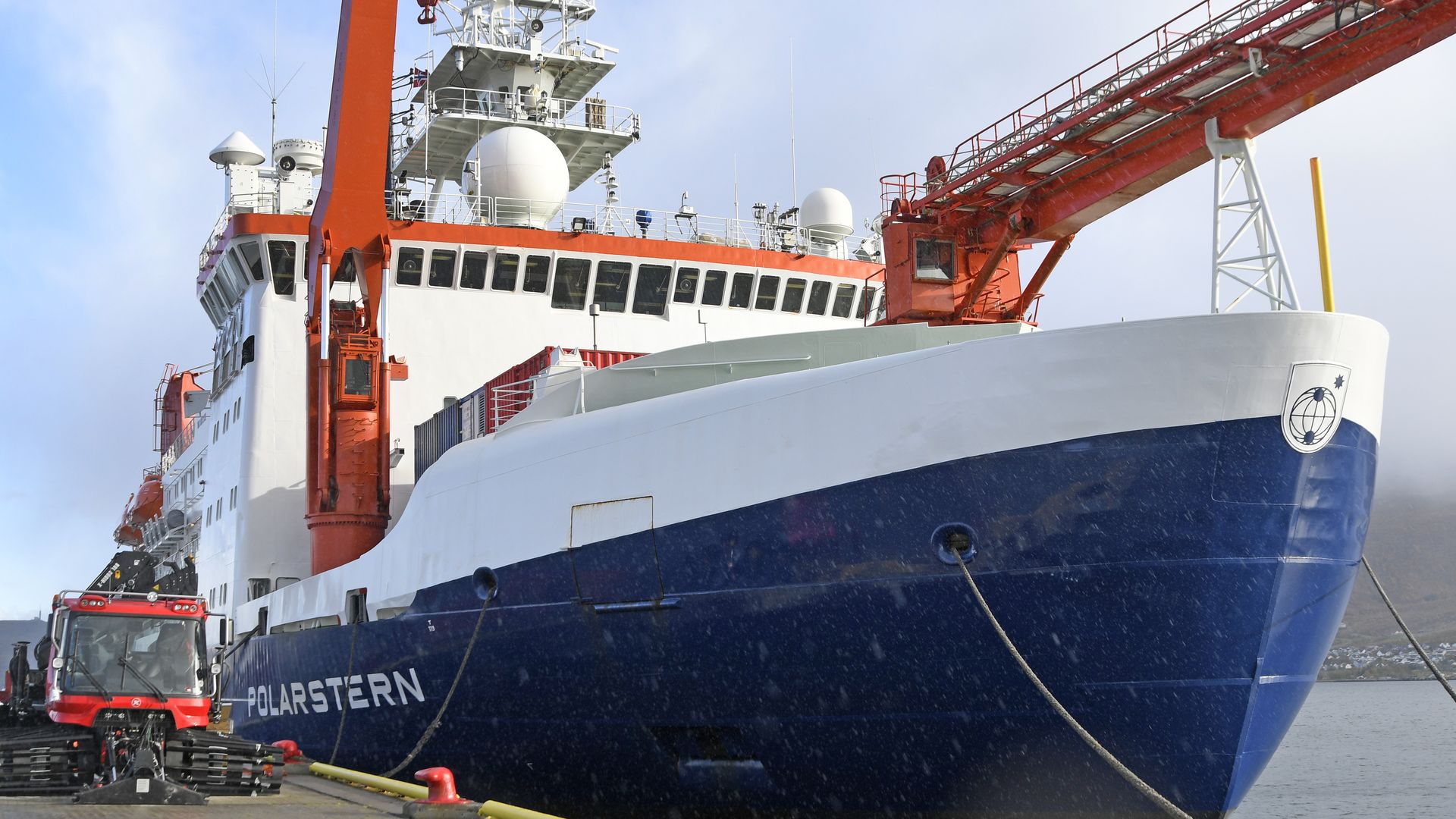
Scientists from 19 countries, including the U.S., embarked on a 1-year, $155-million expedition on Friday to study how warming effects from climate change impact the Arctic region "now and into the future," the New York Times reports.
Why it matters: "We won’t succeed in accurately forecasting climate developments if we don’t have reliable prognoses for the Arctic," scientist and expedition head Markus Rex said in an interview on the polar expedition's website.
Axios contacted editors at 120 U.S. college student newspapers and asked them, “What matters most to students today?”
What they’re saying: Race, diversity and inclusion were by far the most discussed issues among student editors across public and private universities, community colleges, liberal arts schools, Historically Black Colleges and Universities (HBCUs) and religious universities in all 50 states.
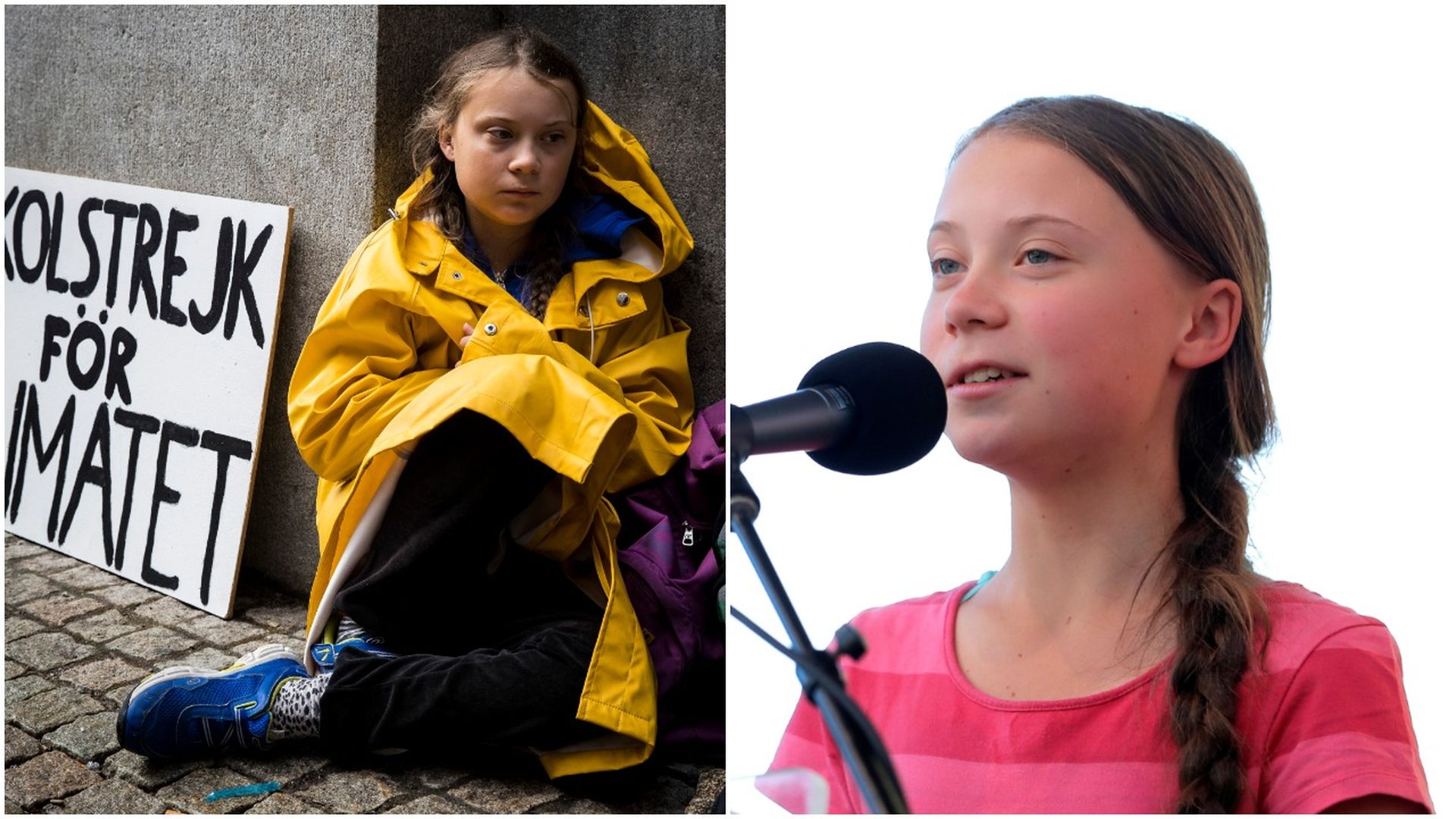
On the left, on Aug. 2018, 15-year-old Greta Thunberg holds a climate strike with a sign reading "School strike for the climate" outside the Swedish parliament. Only a few other students joined her.
Driving the news: At right, Greta Thunberg, now 16, speaks to a huge crowd in Manhattan on Friday as millions of young people flooded streets around the world to demand political leaders take urgent steps to stop climate change. New York City announced its 1.1 million students were allowed to skip school to participate.
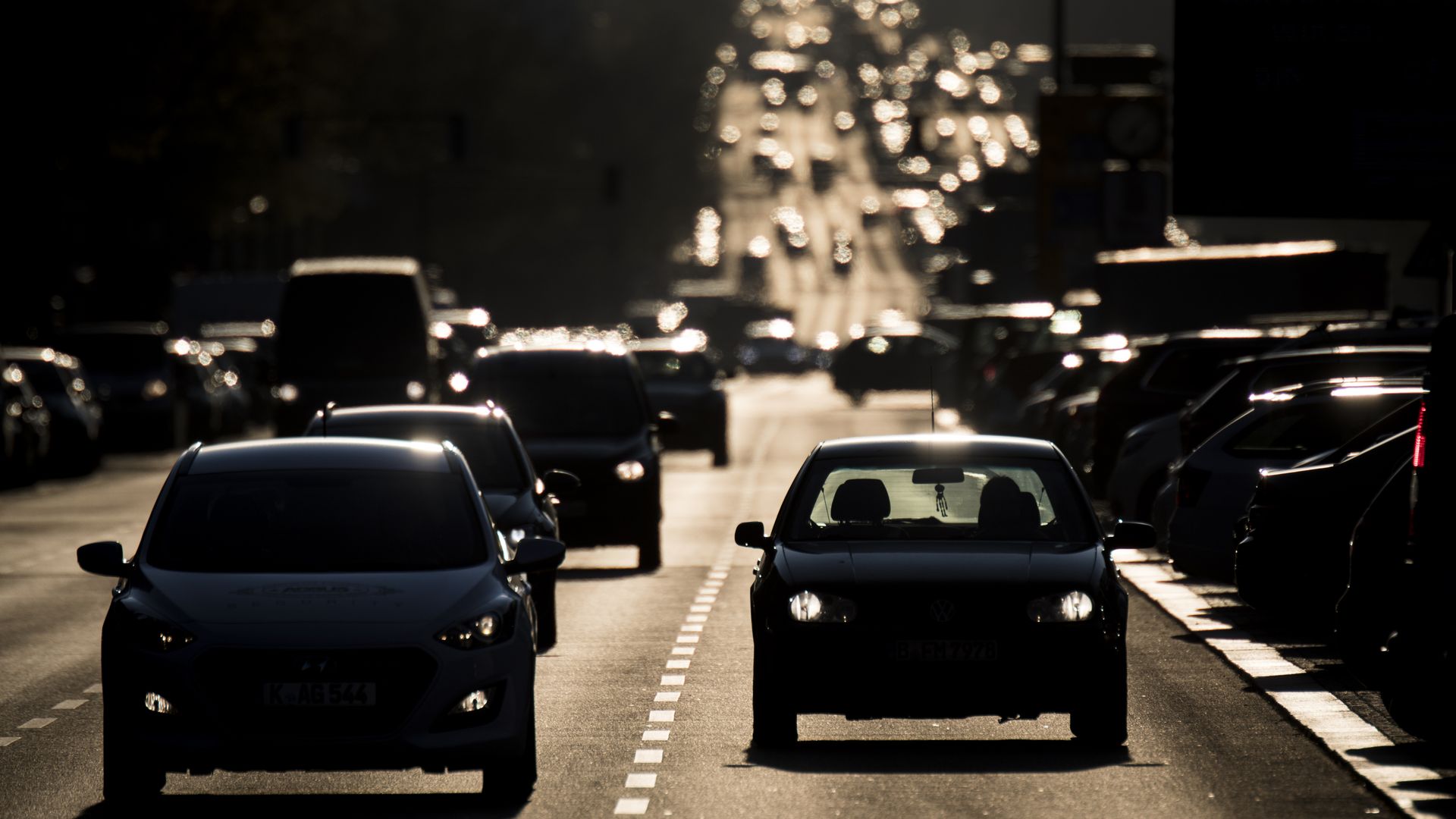
California and 23 other states filed suit against the Trump administration's plan to revoke the state's authority to set stricter tailpipe emissions rules than the rest of the country.
Why it matters: The outcome could have myriad effects, from which vehicles Americans drive years from now to the balance between state and federal power, the Washington Post notes. Automakers, some of which sided with California's stricter emissions targets, are dreading a drawn-out legal battle and being left not knowing which standards to follow.
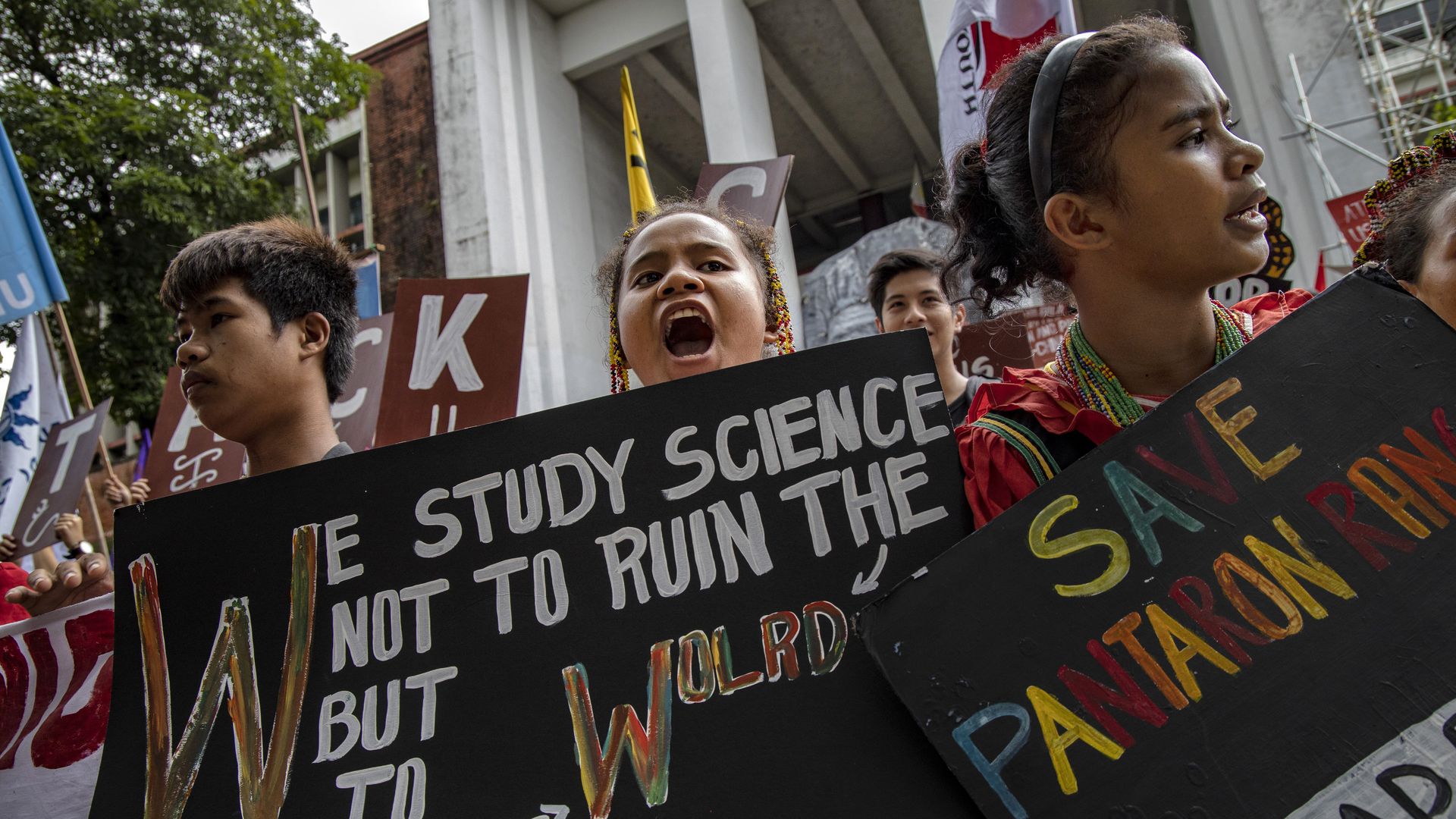
Millions of young people across 150 countries are protesting climate change on Friday, with many students skipping school to participate, the Washington Post reports.
What's next: The protests come days before world leaders are set to meet at a climate summit at the United Nations. UN Secretary-General António Guterres wants leaders to come with actionable plans and not empty promises, per the Post.
Hindering the expansion of natural gas pipelines could drive a reversion to dirtier energy sources like coal and heating oil, especially when sufficient infrastructure for renewable energy is not yet in place.
Why it matters: Greater demands on the power grid have led to more natural gas pipelines in the Northeastern U.S., but several proposed pipelines have been canceled or delayed due to public pushback. Inhibiting their construction could inadvertently produce greater emissions and lead to more air pollution.
Automakers are beginning to offer subscription packages that include insurance, typically via a third-party provider. Tesla has gone a step further, recently announcing it will offer its own policies, which may signal a larger shift in auto insurance.
Why it matters: The volume of vehicle behavioral data that connected vehicles will generate could be leveraged by automakers to edge into the insurance market, while enabling them to proactively protect drivers by recommending safer routes.
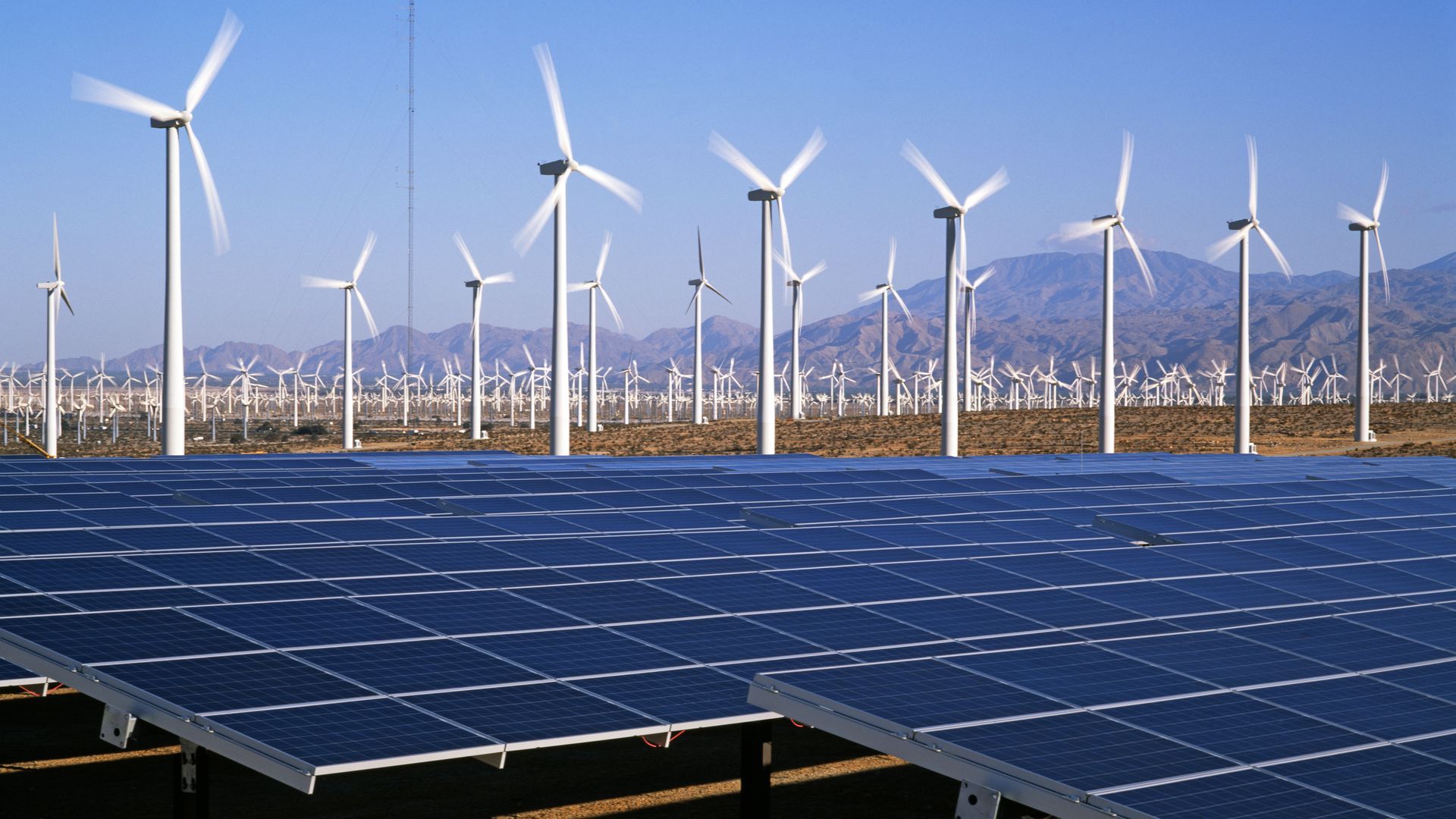
Growth of renewable power capacity resumed in 2019 after stalling last year, the International Energy Agency said in an estimate Friday.
The big picture: Last year was the first time since 2001 that growth was flat, but IEA estimates that capacity additions this year will grow almost 12% to nearly 200 gigawatts. However, despite the growth, it's not consistent with keeping warming in check. "Renewable capacity additions need to grow by more than 300 GW on average each year between 2018 and 2030 to reach the goals of the Paris Agreement," the agency said.
Amazon unveiled sweeping new energy and climate plans yesterday, and hours later, Google announced its biggest renewable power buys ever.
Why it matters: While the announcements by 2 of the world's biggest companies are stark signs that corporate giants are getting more aggressive about climate change, corporate commitments won't change the underlying trend of global carbon emissions on track to bring warming that blows past the Paris Agreement's temperature goals.