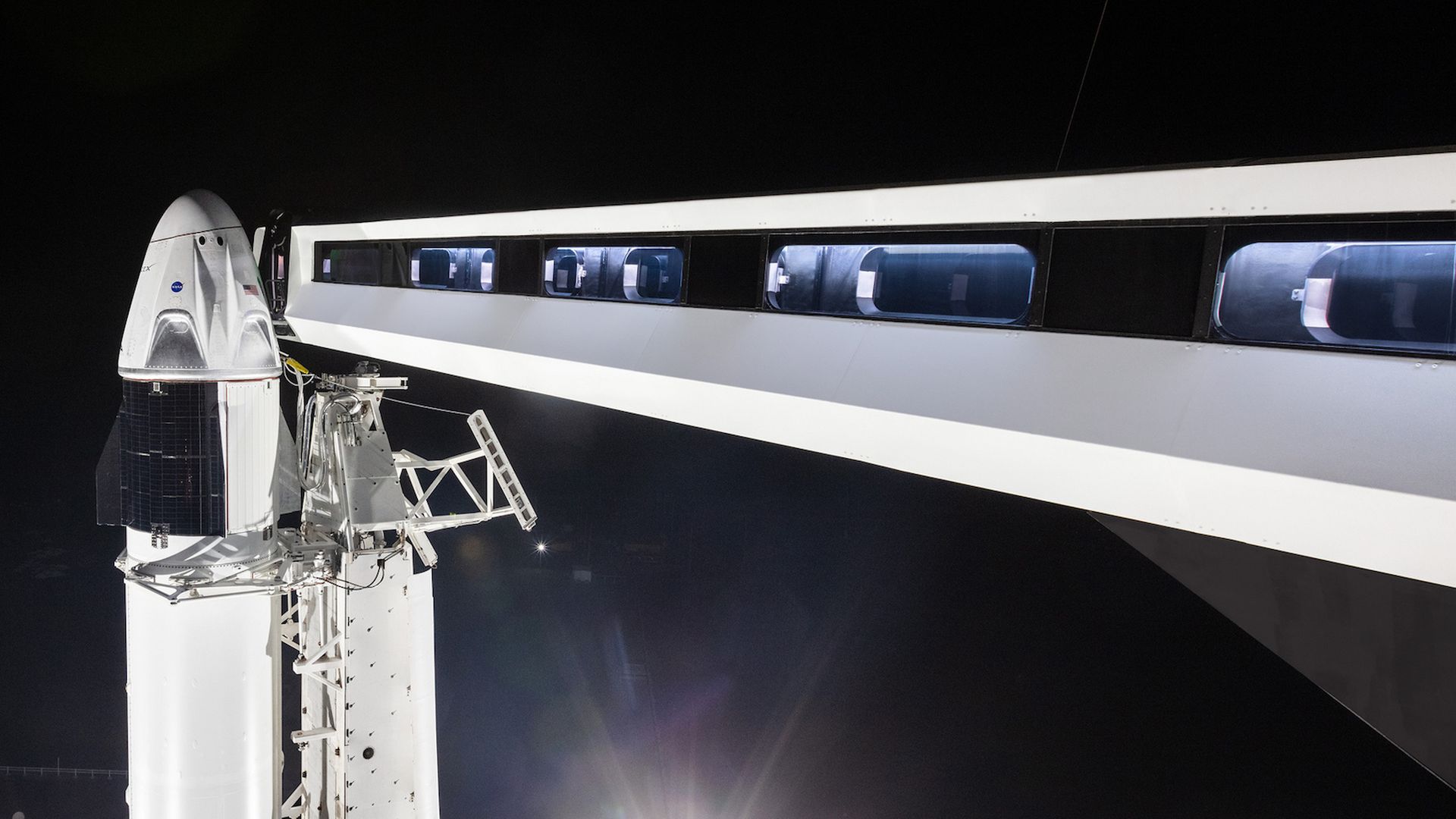
The partial government shutdown, now in its third week, is taking an increasingly heavy toll on some of the nation's premier science agencies and those that depend on them for their work, funding and in some cases, safety.
Why it matters: The U.S. faces increasing pressure from abroad, particularly from China, to maintain its leadership edge in innovation. The shutdown is hitting numerous science-focused agencies, including the National Science Foundation, National Institutes of Standards and Technology, NOAA, NASA and the U.S. Geological Survey.
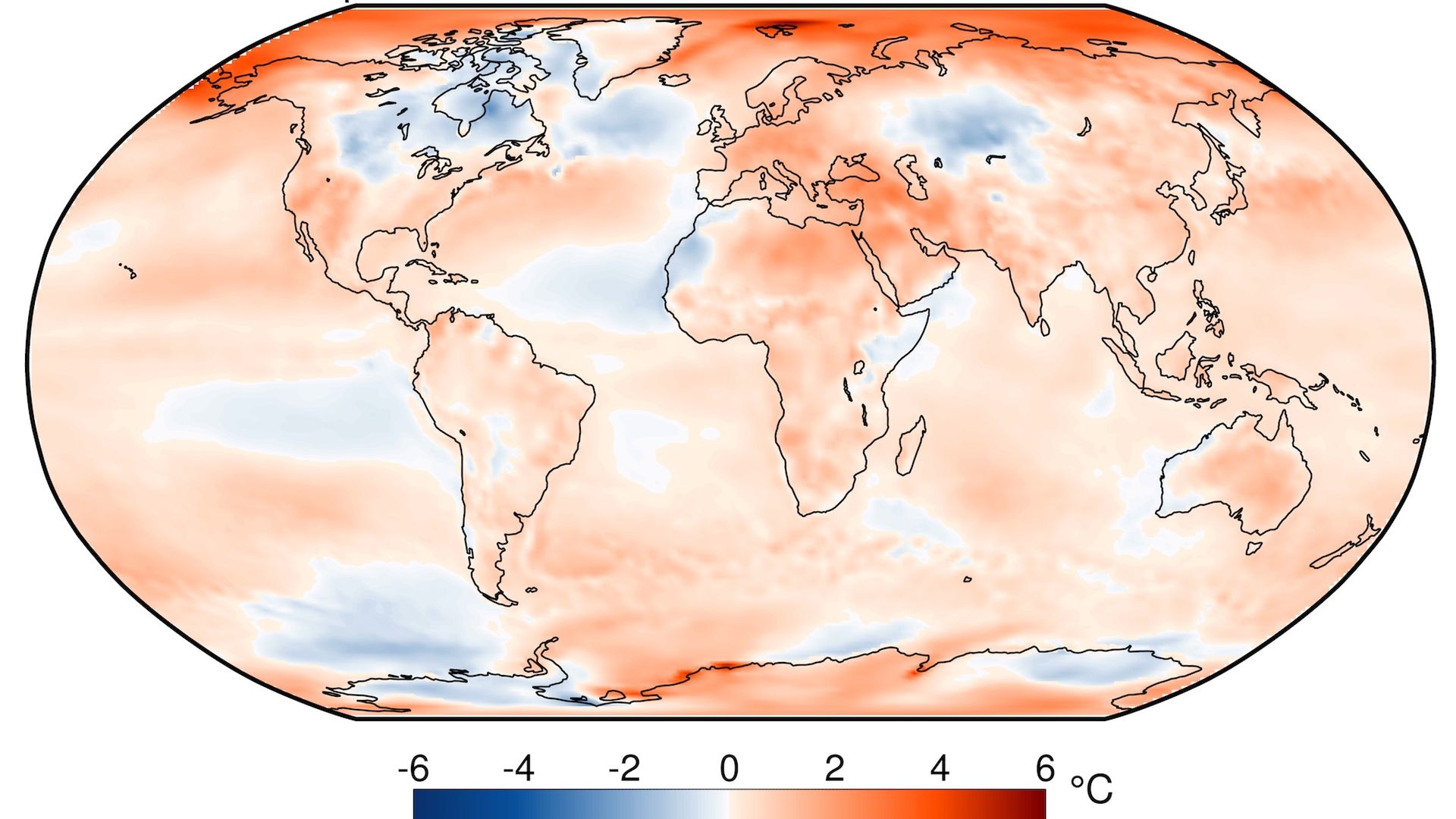
The Copernicus Climate Service (C3S), an EU-funded program, has concluded that 2018 was Earth's 4th-warmest year on record — with the past 4 years serving as the hottest years the planet has seen since instrument records began in 1880 (and likely well before that).
The big picture: With U.S. science agencies hobbled by the partial government shutdown, the new findings are the first to provide a global perspective on 2018's temperatures and greenhouse gas emissions. While they're in line with projections, they still underscore how severe the climate change problem is becoming.
The Supreme Court on Monday rejected ExxonMobil's bid to review the Massachusetts attorney general's demand for internal documents about what the company knew about climate change over the course of decades.
Why it matters: The order, issued without comment, enables Attorney General Maura Healey to continue probing whether the oil giant misled investors and consumers about global warming and its effects on Exxon's business.
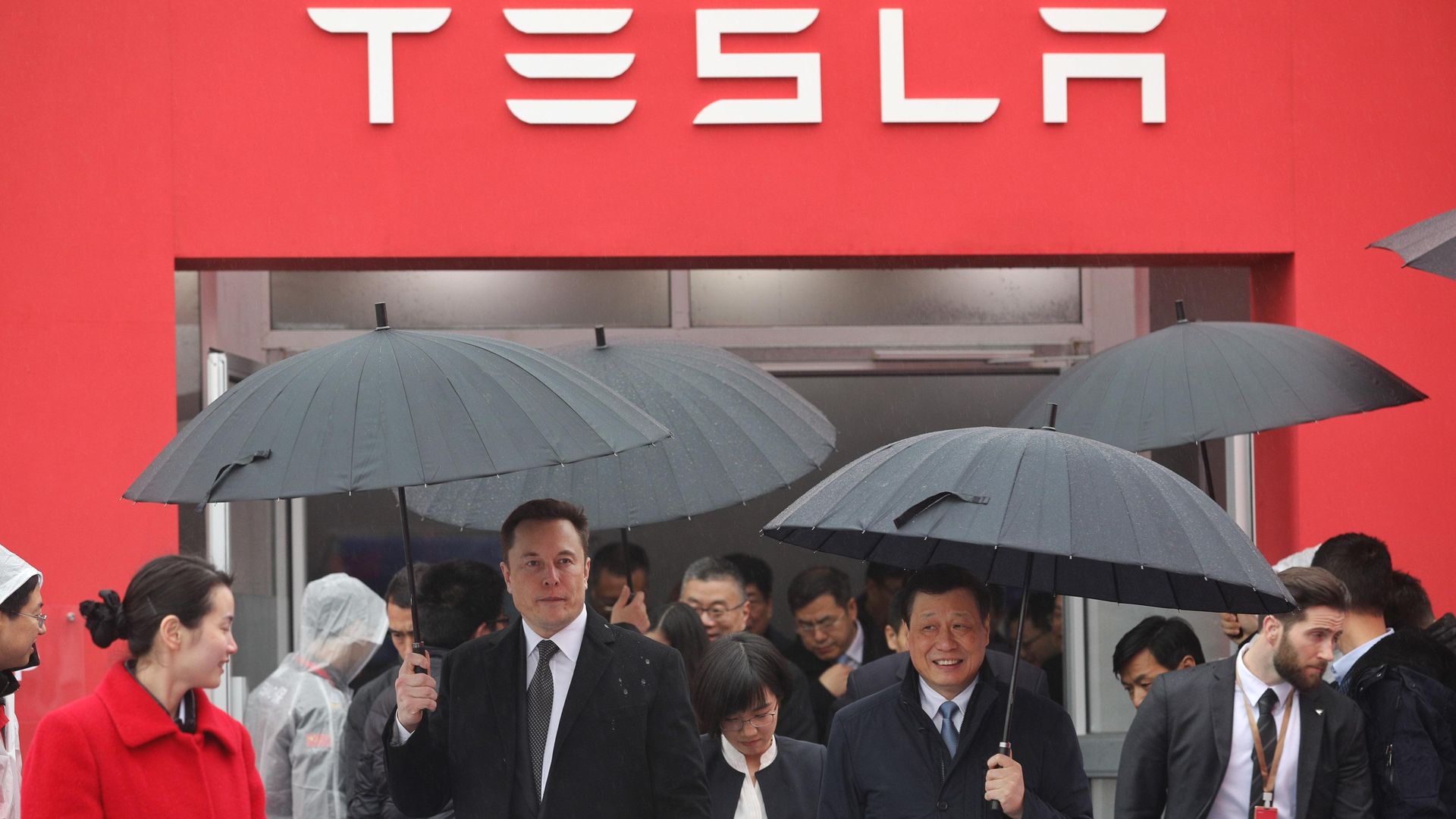
Tesla broke ground on a new factory in Shanghai on Monday, its first outside the U.S., and CEO Elon Musk tweeted that the company will begin production there for its mass-market Models 3 and Y for the Chinese market by the end of the year.
Why it matters: Musk's move to build directly in China followed after Beijing announced it would end restrictions on foreign ownership of electric vehicle producers, the AP reports. By building a factory in China itself, Tesla will be able to tap into the world's biggest electric vehicle market without any worries about the ongoing U.S.-China trade war.
Six U.S. nuclear plants have closed in the past five years and nearly 35% of the remaining fleet are now at risk of early closure or slated to retire.
The big picture: Many tout carbon-free nuclear energy as a climate solution, but today’s nuclear plants are having a difficult time competing with cheap natural gas and renewables in today’s wholesale electricity markets. New advanced nuclear technologies may reduce costs, but even in the most optimistic scenarios they will not be competitive without a price on carbon.
From Washington D.C. to down under, energy and climate are hotter topics this year than they have been in some time. Here's what I'm watching this year.