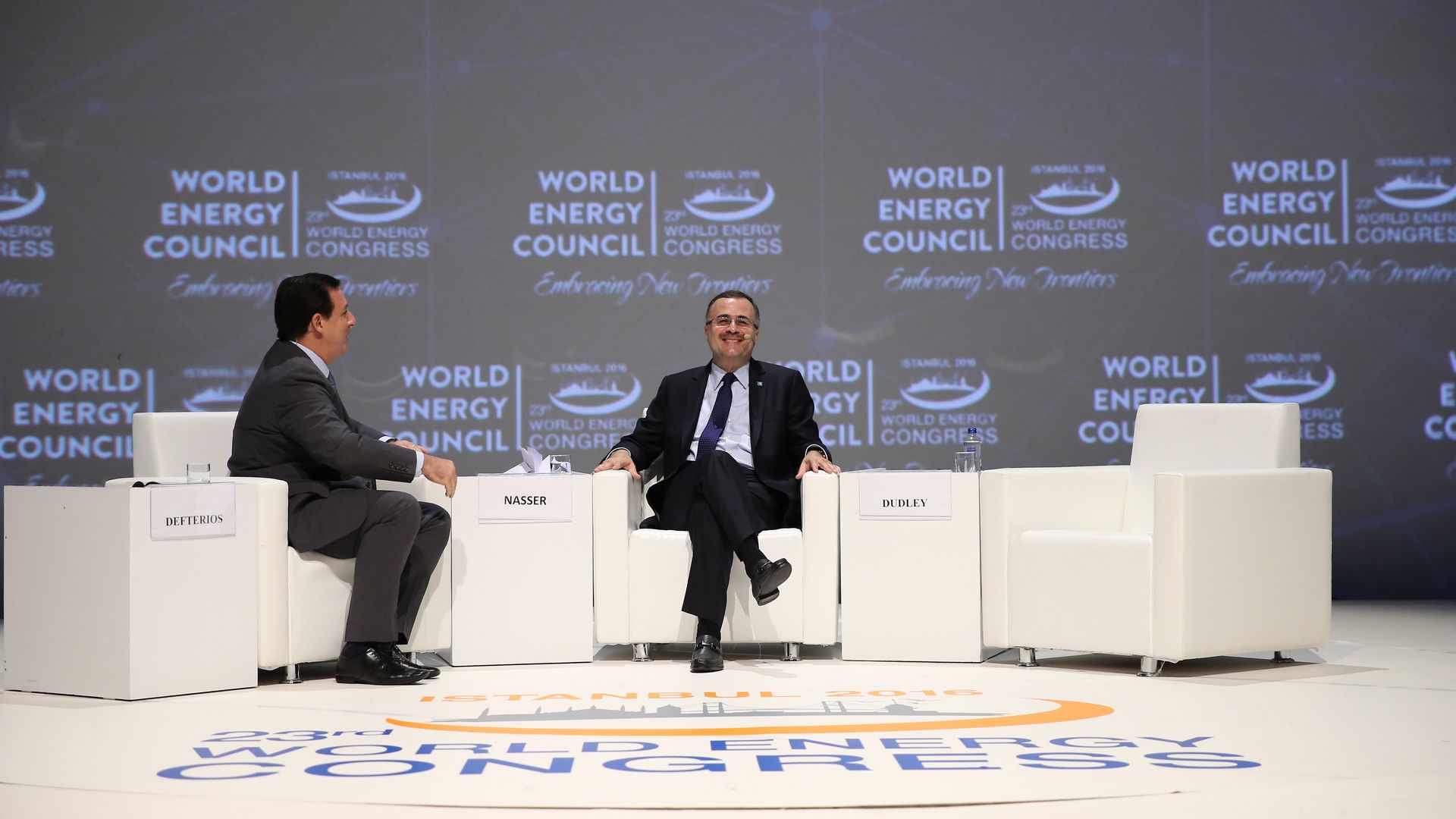
Oil giant Saudi Aramco made nearly $34 billion in net income during the first half of 2017, making it the world's most profitable company, according to data viewed by Bloomberg News. Profits are also likely to be much higher this year thanks to increased oil prices.
Why it matters: The story revealsextremely closely held financial data as the state-owned Aramco readies what's likely to be the largest IPO ever, although the listing appears delayed until at least 2019 and is soaked with uncertainties.
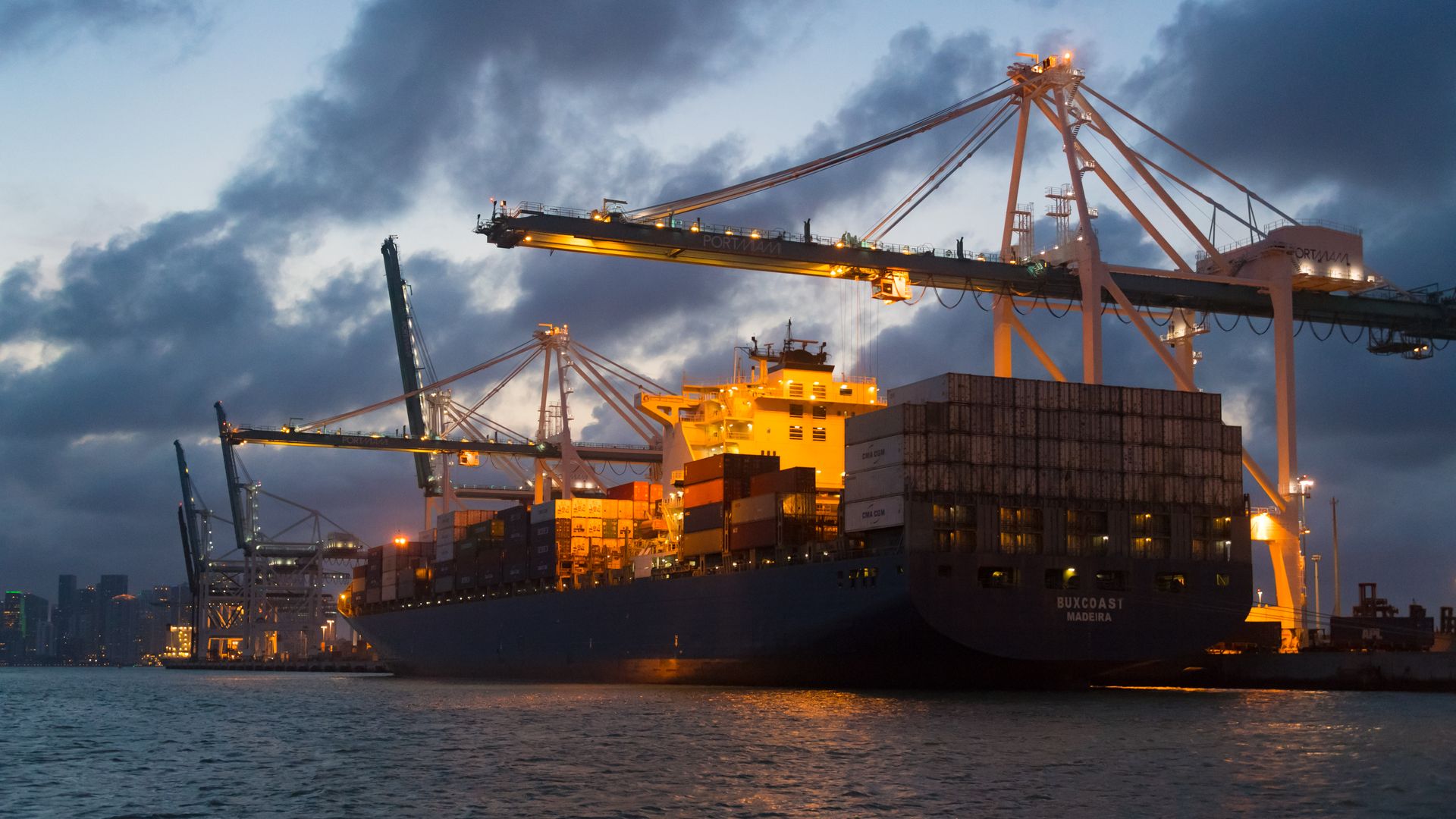
The U.N. shipping agency has reached an agreement to cut carbon emissions "by at least 50 percent by 2050," Reuters reports, although they added that the goal "fell short of more ambitious targets."
Why it matters, from Axios' Ben Geman: Shipping is estimated to account for 2-3% of global CO2 emissions, but that share is projected to rise sharply to 17% by mid-century, absent more steps to tackle the problem. The agreement also highlights the challenge of curbing emissions from the wider transportation sector, even as cars and light trucks grow more efficient and move towards greater electrification.
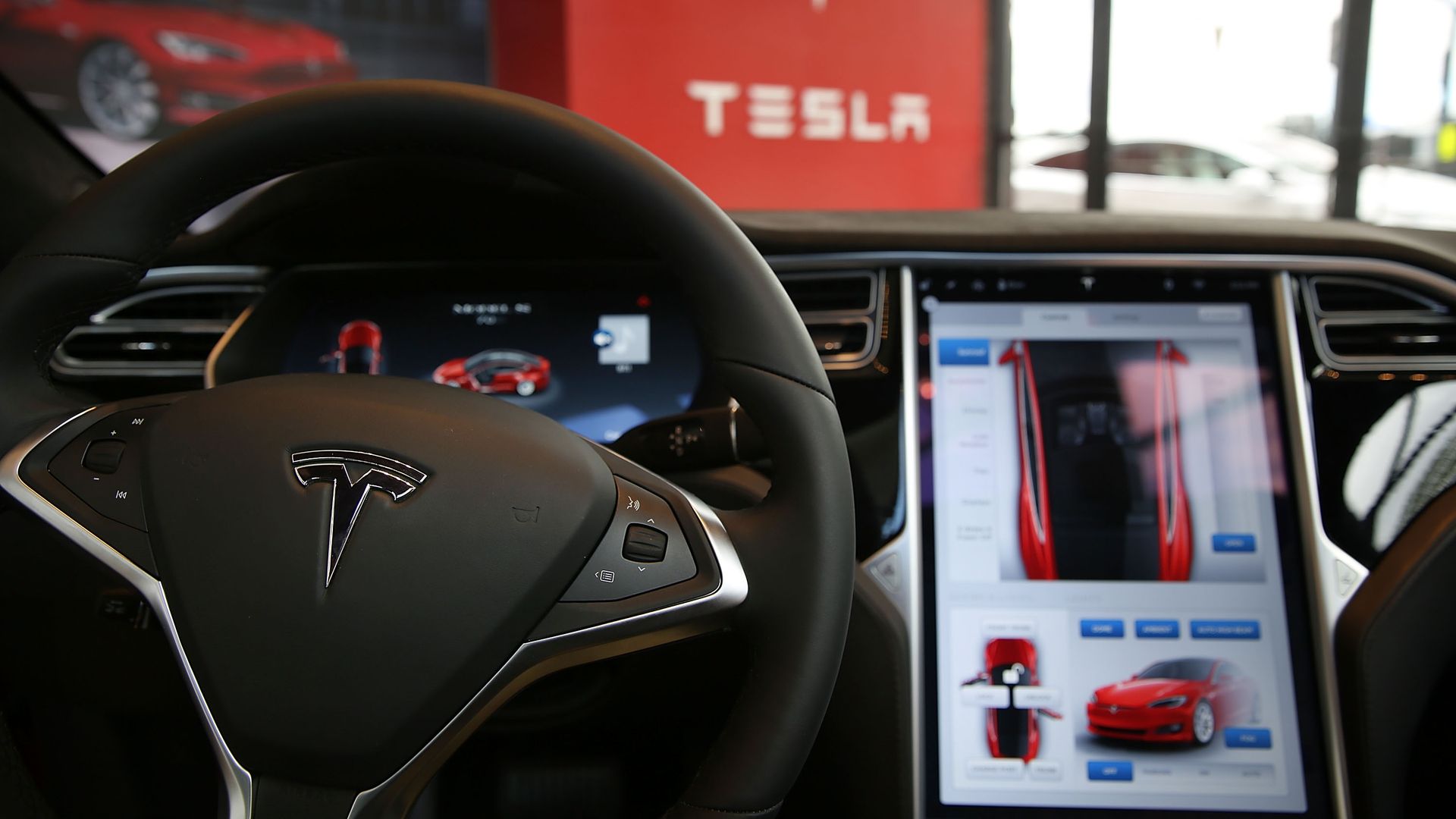
Elon Musk says he's "under stress" but has been sleeping in the Tesla factory to ensure production of the Model 3 Tesla car reaches consumers in a timely manner, reports CBS.
"There shouldn't be a question mark as to whether somebody is going to get their car. It's just, yes, you'll definitely get your car. It's going to be 6 to 9 months longer than expected ... three of those months have already passed."
The International Energy Agency said Friday that OECD oil stockpiles are almost down to their five-year average.
Why it matters: That's the original goal of the production-limiting deal between OPEC, Russia and some other producers seeking to clear the global glut.
The National Transportation Safety Board revoked Tesla's status as an official party to the agency's investigation into a March 23 fatal crash of a Model X, citing Tesla's violation of an official agreement not to release information about the crash to the public while the investigation is ongoing.
Driving the news: Tesla said it withdrew from the agreement to cooperate with the investigation because it disagreed with the agreement's restrictions on what the company could share publicly about Autopilot, the company's semiautonomous driving system. Tesla said that requirement "fundamentally affects public safety negatively."
The think tank Third Way just published an interesting look at the effect of planned and potential nuclear plant closures on carbon emissions in the U.S. power sector.
Why it matters: Even if just some of the early retirements come to pass, it will knock the country farther away from cutting greenhouse emissions by 80% below 2005 levels by 2050, a target set under President Obama.
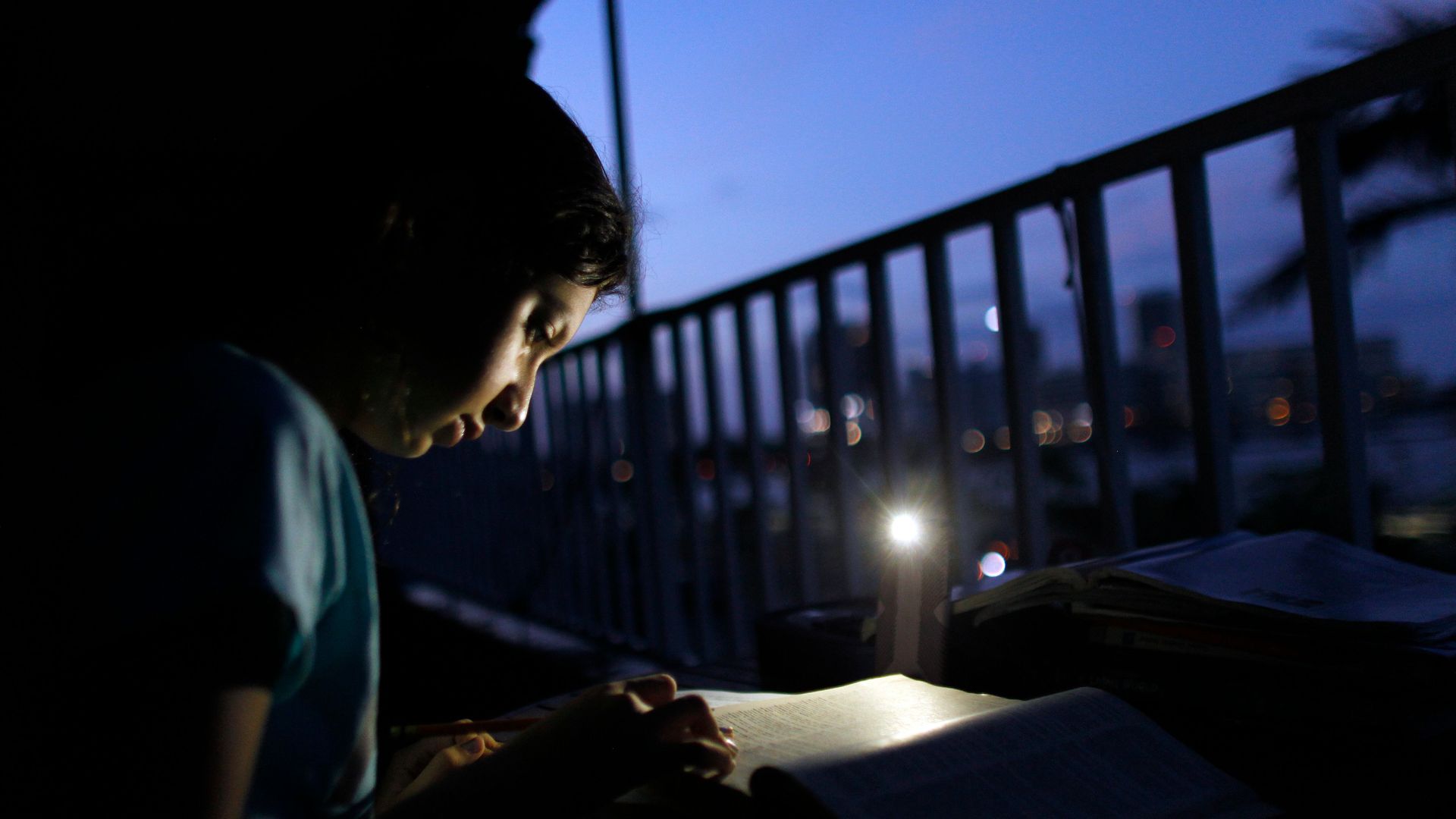
The Rhodium Group published a new analysis that concludes the power loss in Puerto Rico and the Virgin Islands from Hurricane Maria is the second-largest blackout in world history. They analyzed customer-hours of power loss to conclude that it's behind only Typhoon Haiyan that devastated the Philippines in 2013 — albeit a distant second.
Why it matters: Their tally underscores the magnitude of suffering faced by U.S. citizens from the storm that hit last September. By early this week, it had had caused the loss of 3.4 billion customer hours of service in Puerto Rico and the Virgin Islands.
Geopolitical tension including the prospect of U.S. strikes against Syria helped to send crude oil prices to their highest levels in over three years during trading yesterday.
What they're saying: In a note Thursday, a Barclays analyst predicted that geopolitical events could keep Brent prices above $70 over the next couple of months, though they see a downward trend in the second half of the year. "Over the near term, however, prices continue to benefit from a perfect storm of stagnant supply, geopolitical risk, and a harsh winter," Michael Cohen writes.