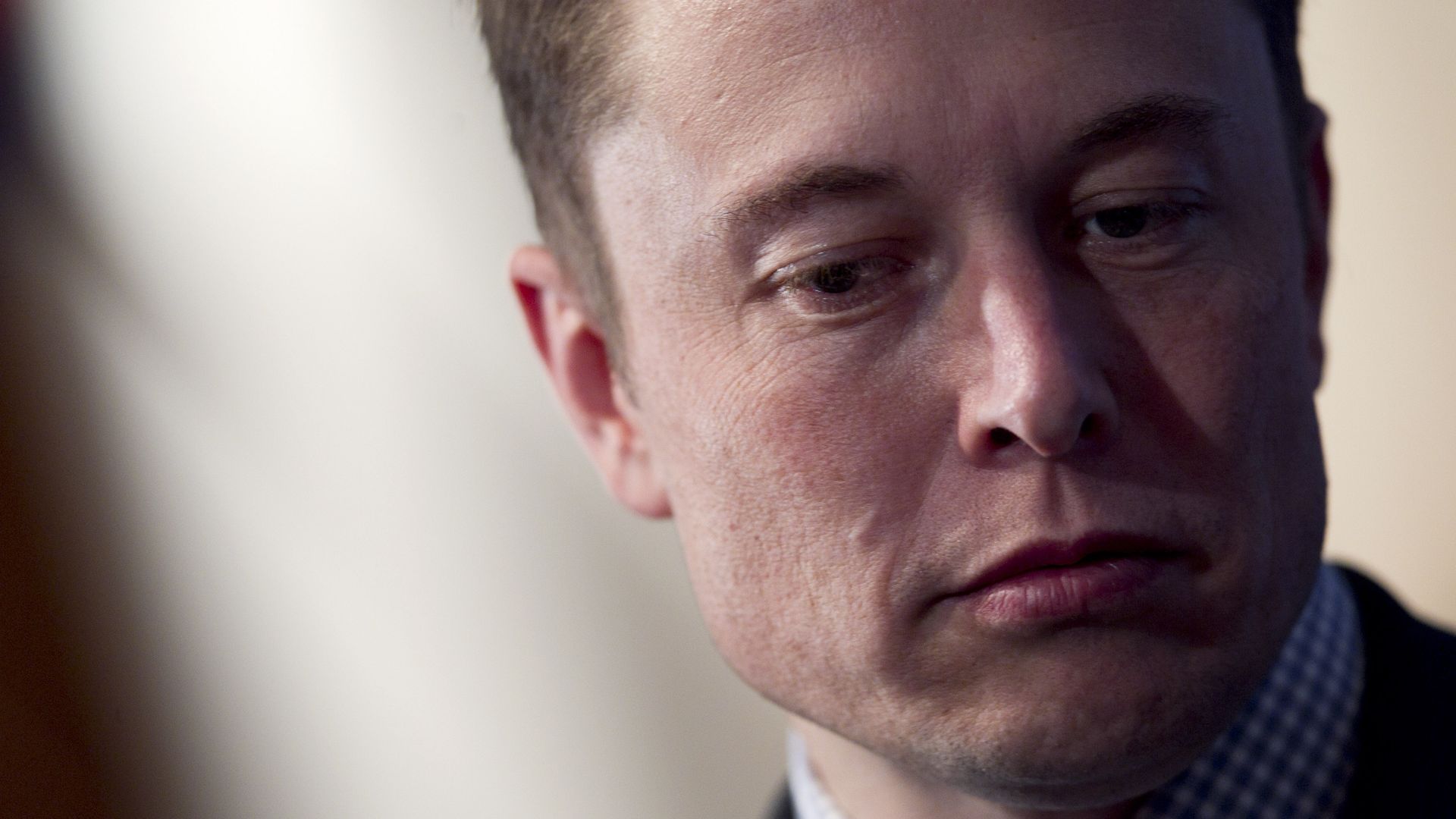
Elon Musk appears to have deleted the Facebookaccounts for his companies Tesla and SpaceX. This comes amidst cries to delete Facebook in response to Cambridge Analytica’s role in the misuse of data on Facebook of millions of Americans.
What happened: Elon Musk engaged on Twitter Friday morning in response to the calls to abandon the platform, saying “What’s Facebook?” and that he “didn’t realize” they had Facebook pages, CNN reports. He followed up with promises that he would take down the pages, per TechCrunch.
Let's spend a little more time with the Interior Department's Gulf of Mexico lease sale Wednesday that, as we noted here, drew modest bidding and interest despite making 77 million acres available.
Why it matters: While the sale was scheduled during the Obama years, Interior's decision to make so much acreage available, the lowering of shallow-water royalty rates, and the tepid bidding bring two trends into focus: The Trump administration's aggressive promotion of U.S. fossil fuels and the wealth of other options that companies have outside the Gulf.
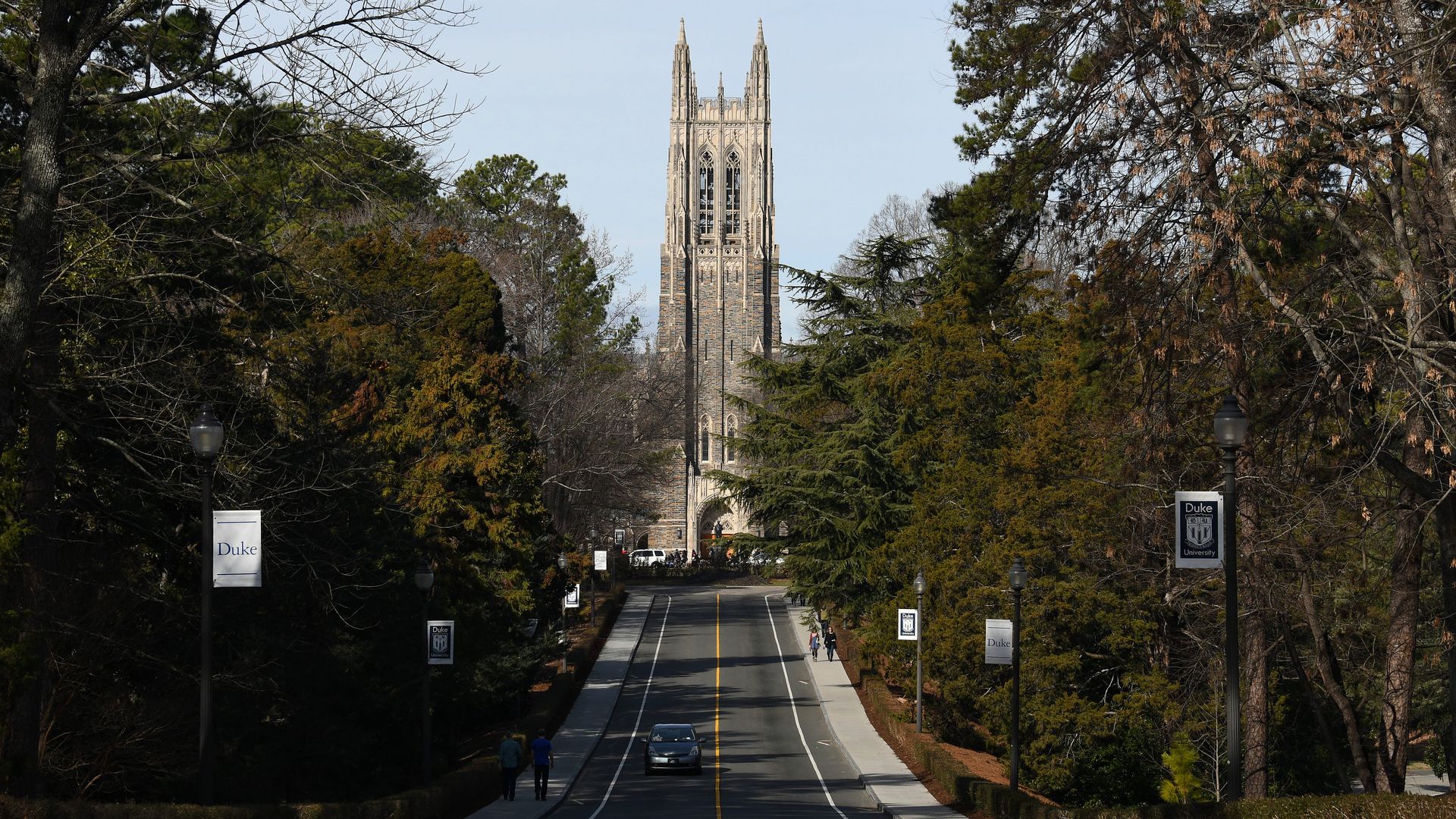
More than a dozen business schools and some of Wall Street’s biggest firms are converging for the next two days at Duke University to discuss the business effects of climate change.
Why it matters: This conference is being billed as the first to bring together students from a range of business schools to address the issue. That reflects both how climate change is becoming more of a tangible business concern and that younger people care more about it than older generations.
Chinese ride-hailing giant Didi Chuxing will build electric vehicles via a joint venture with CHJ Automotive, a local automotive startup that also announced RMB3 billion (US$473 million) in new funding, according to mediareports.
Why it matters: As ride-hailing services continues to grow in prevalence and replace car ownership, electric cars can help them be more efficient. Didi and others like Uber have already been experimenting with and promoting EVs for their services.
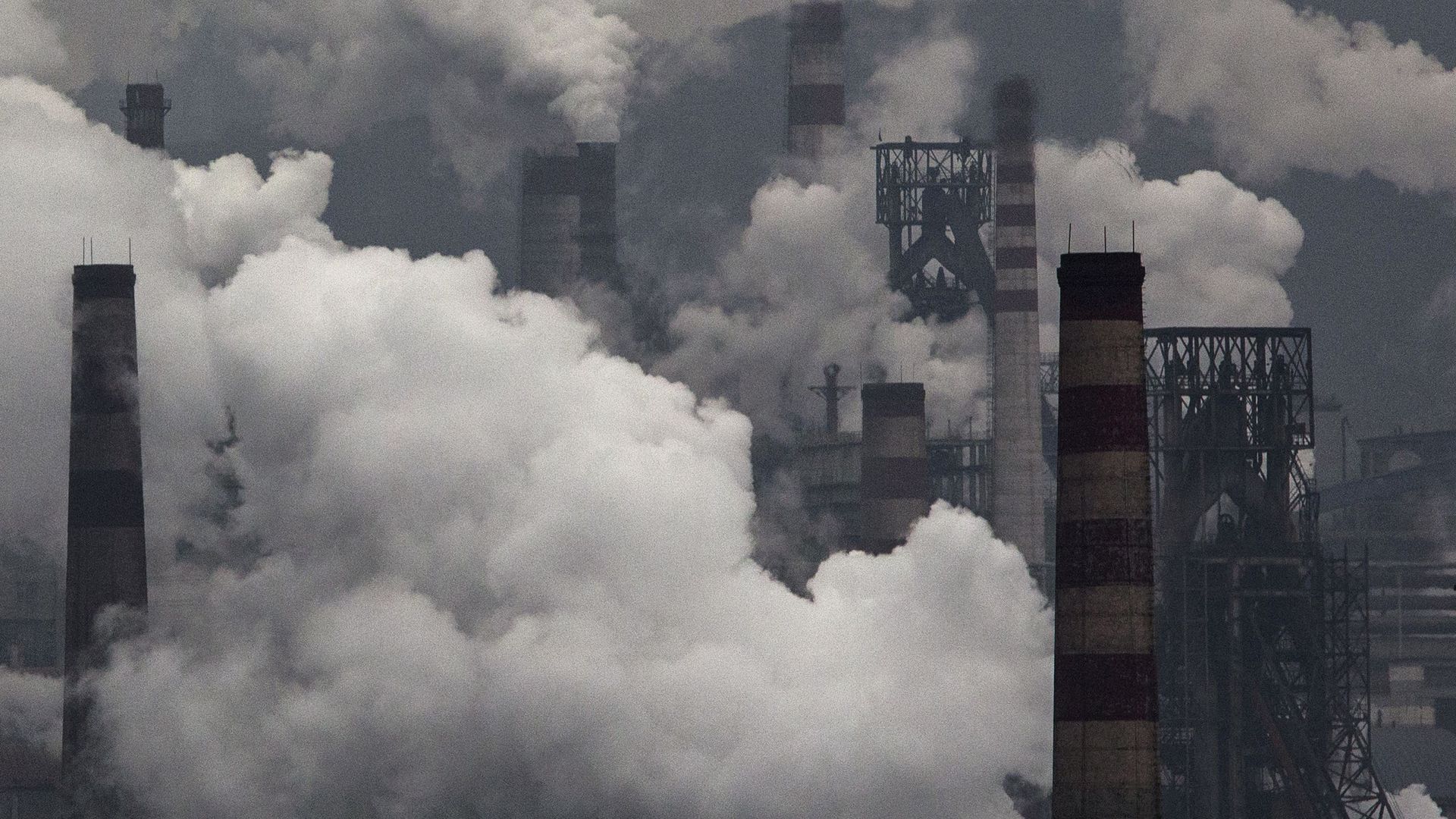
A new International Energy Agency report finds that worldwide carbon dioxide emissions from energy — which are the lion's share of global emissions — ticked upward by 1.4% in 2017 after a three-year plateau.
Why it matters: The findings underscore the immense challenge of reigning in heat-trapping emissions in an increasingly energy-hungry world. Carbon dioxide output is on pace to eventually bring about global warming levels that blow past the targets of the Paris climate agreement.
Responding to shareholder pressure, Duke Energy is releasing today a climate-change report that sketches a drastically changed electricity mix in a carbon-constrained future.
Why it matters: As one of America’s largest utilities, its speculation on this front is a bellwether for how the country’s electricity mix may change in the decades ahead. Duke provides electricity to more than seven million customers in the Carolinas, the Midwest and Florida.
Yesterday's Interior Department sale of Gulf of Mexico oil-and-gas leases drew modest action, with companies offering roughly $125 million in winning bids (and $139 million in total bids). The chart below shows the companies that submitted the highest total winning offers in Lease Sale 250 and how many blocs they successfully bid on.
One reason it matters: The expectations game. Interior Secretary Ryan Zinke told a major energy conference in Houston this month that the sale would be a "bellwether" for industry interest in new Gulf leases.
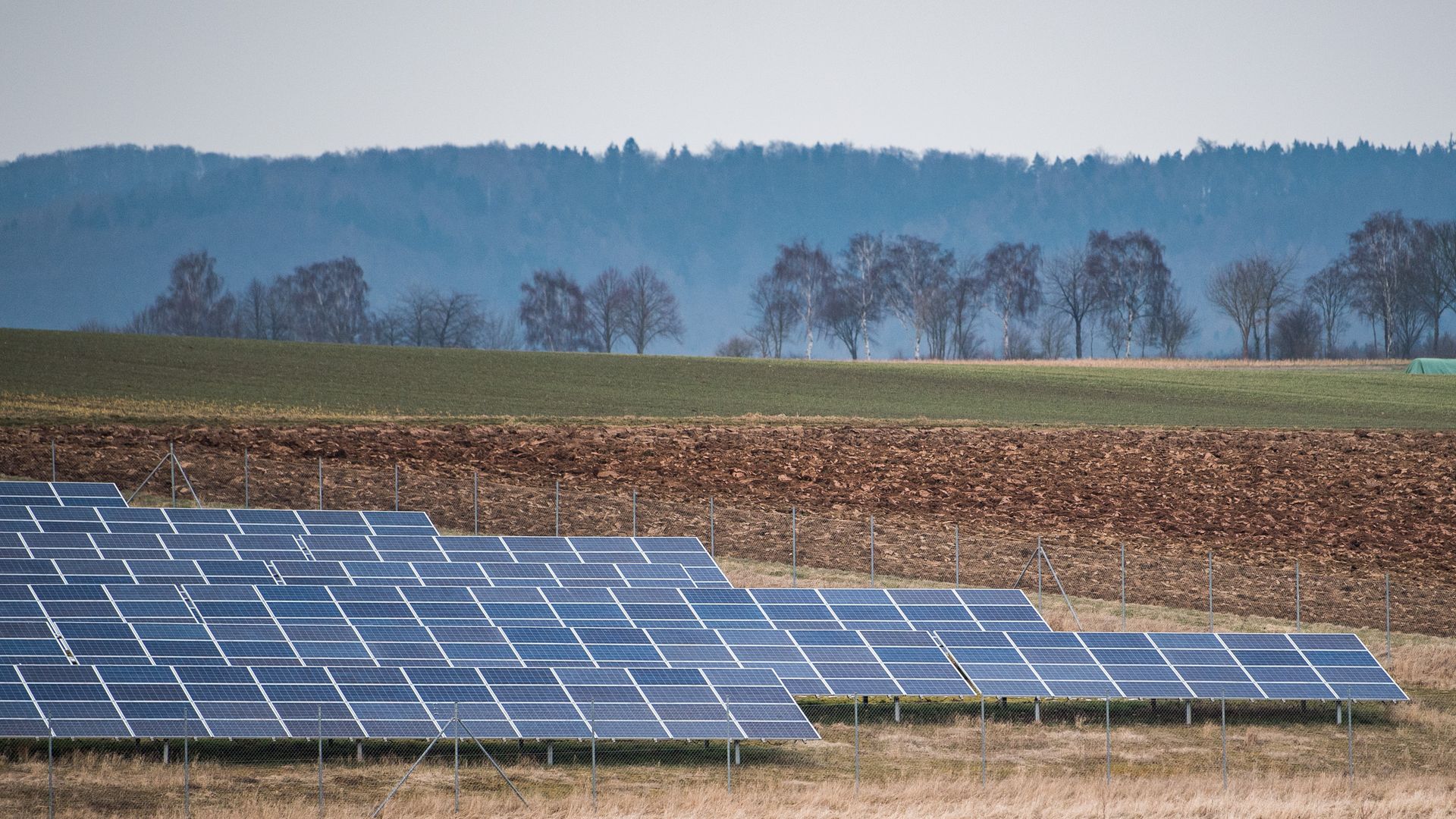
The newly-released Capitol Hill government spending plan rejects the White House's push to sharply cut renewable energy R&D and kill an Energy Department program that seeds breakthrough technology innovation.
Why it matters: There's little GOP appetite on Capitol Hill for the White House's energy spending agenda, even as Republicans largely support the Trump administration's efforts to unwind regulations and expand fossil fuel development.