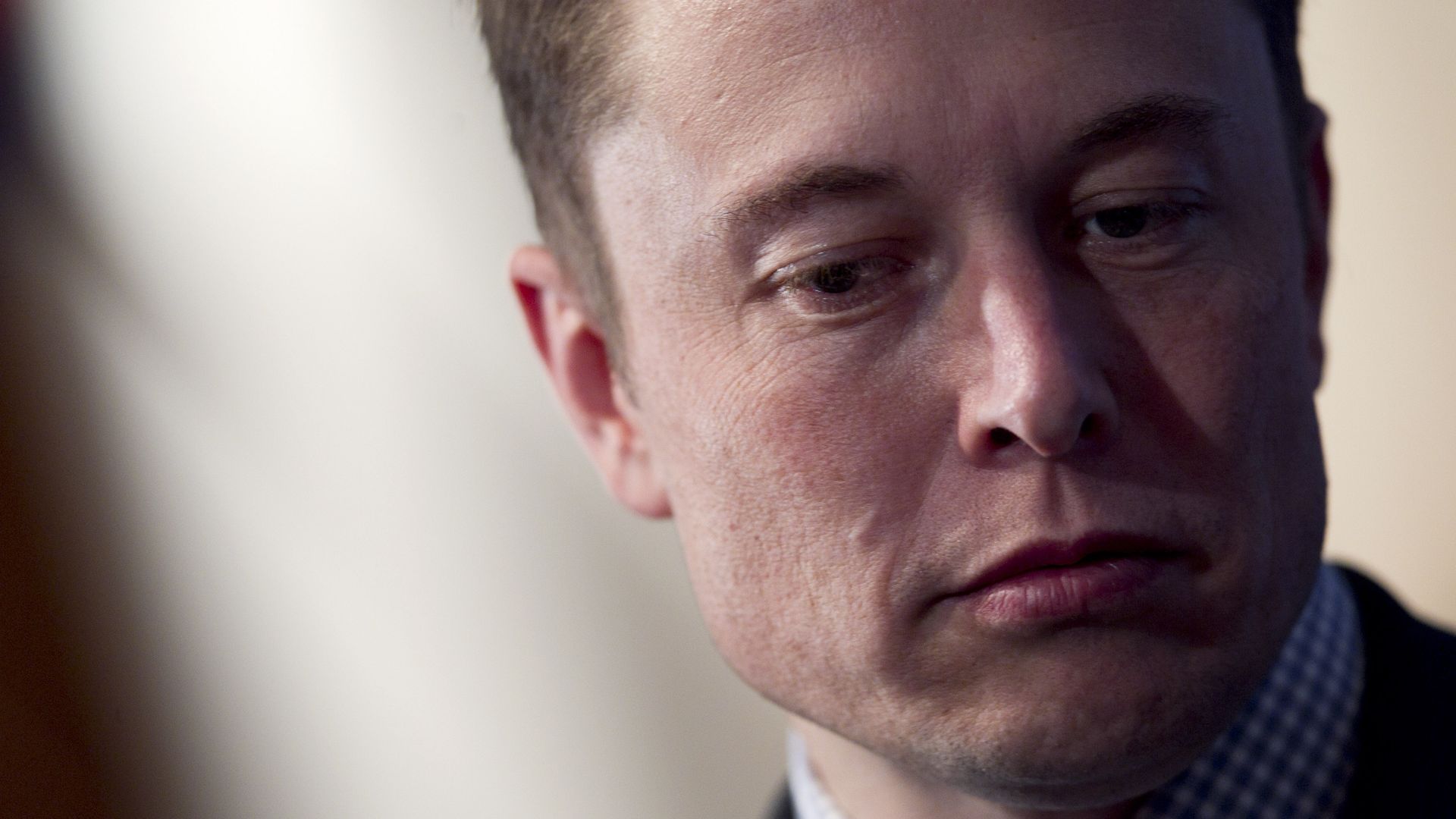
Elon Musk appears to have deleted the Facebookaccounts for his companies Tesla and SpaceX. This comes amidst cries to delete Facebook in response to Cambridge Analytica’s role in the misuse of data on Facebook of millions of Americans.
What happened: Elon Musk engaged on Twitter Friday morning in response to the calls to abandon the platform, saying “What’s Facebook?” and that he “didn’t realize” they had Facebook pages, CNN reports. He followed up with promises that he would take down the pages, per TechCrunch.
Let's spend a little more time with the Interior Department's Gulf of Mexico lease sale Wednesday that, as we noted here, drew modest bidding and interest despite making 77 million acres available.
Why it matters: While the sale was scheduled during the Obama years, Interior's decision to make so much acreage available, the lowering of shallow-water royalty rates, and the tepid bidding bring two trends into focus: The Trump administration's aggressive promotion of U.S. fossil fuels and the wealth of other options that companies have outside the Gulf.
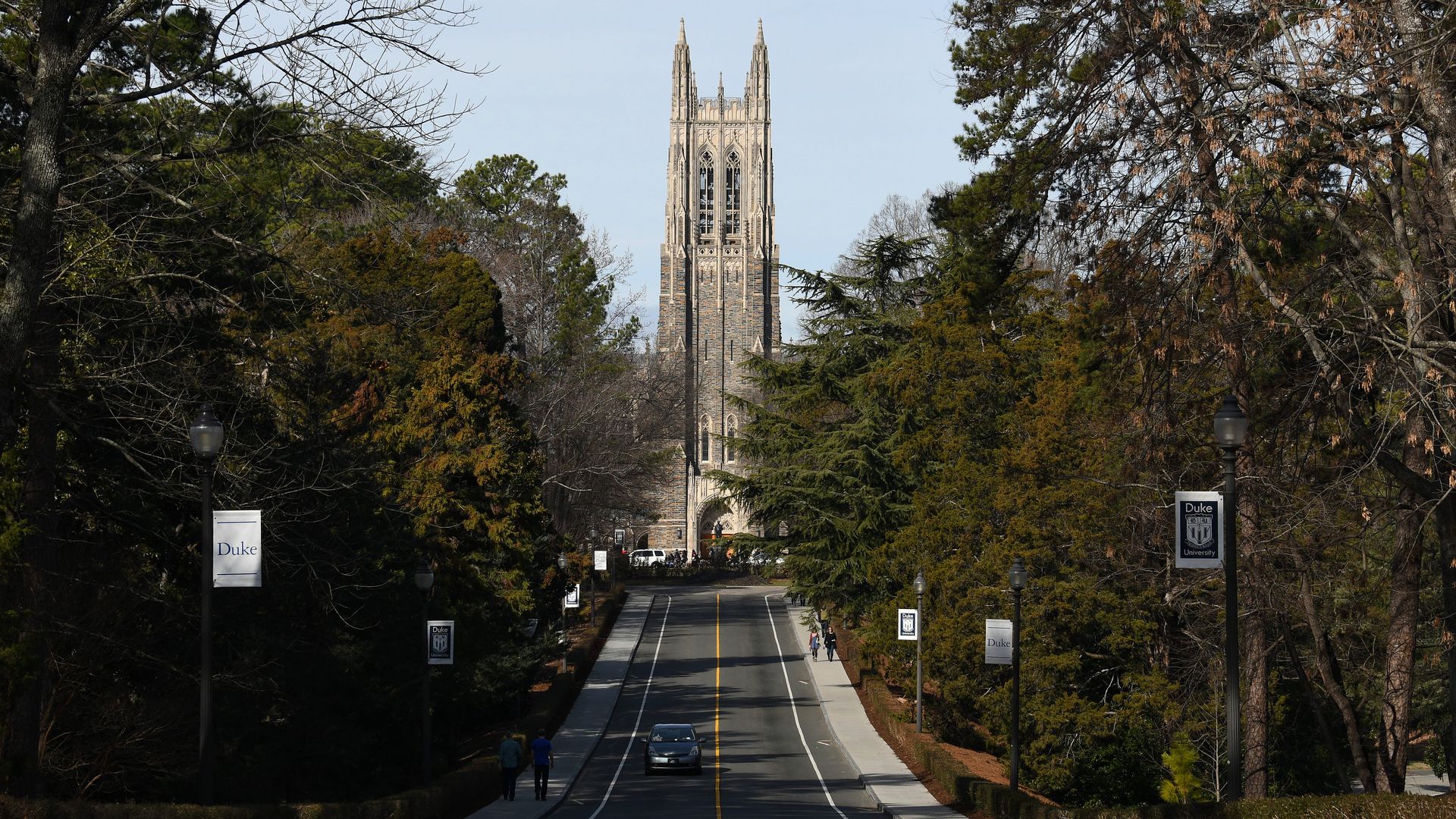
More than a dozen business schools and some of Wall Street’s biggest firms are converging for the next two days at Duke University to discuss the business effects of climate change.
Why it matters: This conference is being billed as the first to bring together students from a range of business schools to address the issue. That reflects both how climate change is becoming more of a tangible business concern and that younger people care more about it than older generations.
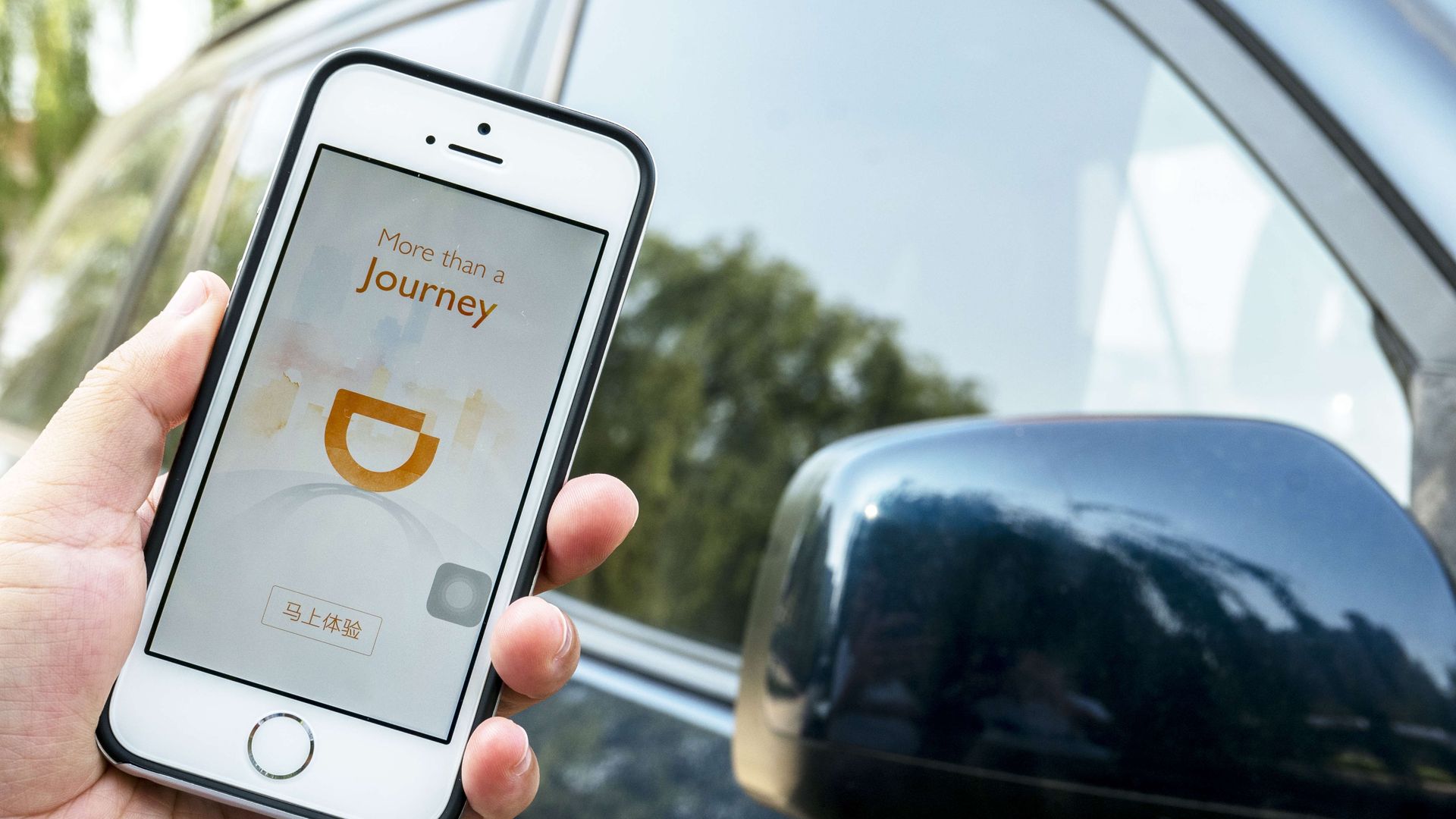
Chinese ride-hailing giant Didi Chuxing will build electric vehicles via a joint venture with CHJ Automotive, a local automotive startup that also announced RMB3 billion (US$473 million) in new funding, according to mediareports.
Why it matters: As ride-hailing services continues to grow in prevalence and replace car ownership, electric cars can help them be more efficient. Didi and others like Uber have already been experimenting with and promoting EVs for their services.