Wednesday's energy & climate stories

Gary Cohn to meet with top climate ministers from around world
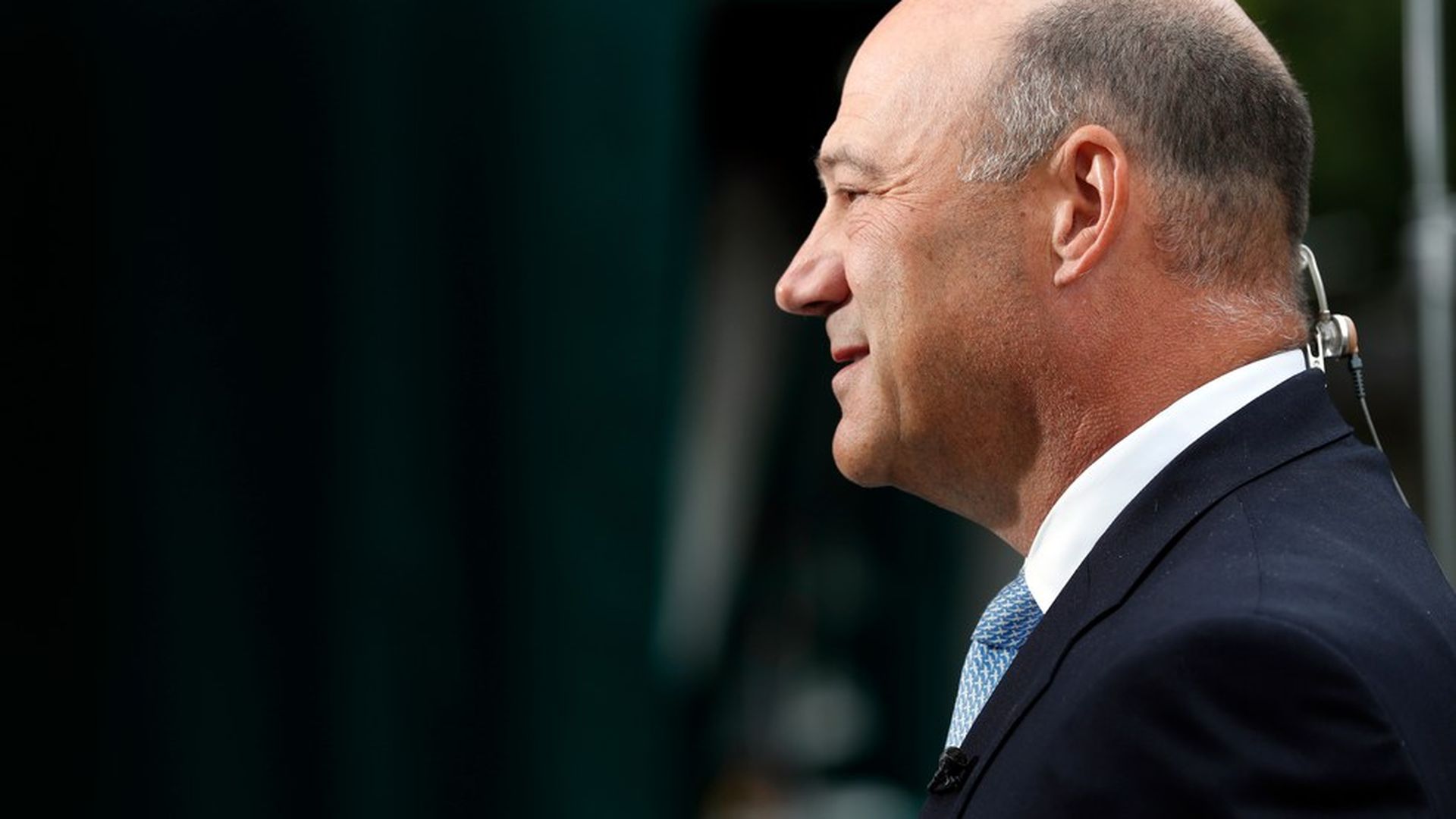
Gary Cohn, Trump's top economic adviser, will convene a meeting with senior climate and energy ministers from around the world ahead of next week's UN General Assembly meeting, the NYT reports.
Early last month, the administration hinted in a letter that it might not pull out of the Paris climate accord, noting the U.S. "intends to exercise its right to withdraw from the agreement…unless the United States identifies suitable terms for re-engagement."
Our thought bubble: This is the first sign Trump's rhetoric about renegotiating the deal could translate into action. Since Trump announced his intention to withdraw in June, administration officials haven't indicated whether that was mostly rhetoric or a genuine precursor to negotiations.
The meeting is framed as "an informal exchange of views,' and a White House official told the NYT it's intended to help the Trump administration find a way to fulfill Trump's pledge to reduce emissions without harming the economy.

Tesla's safeguards 'lacking' in self-driving car crash
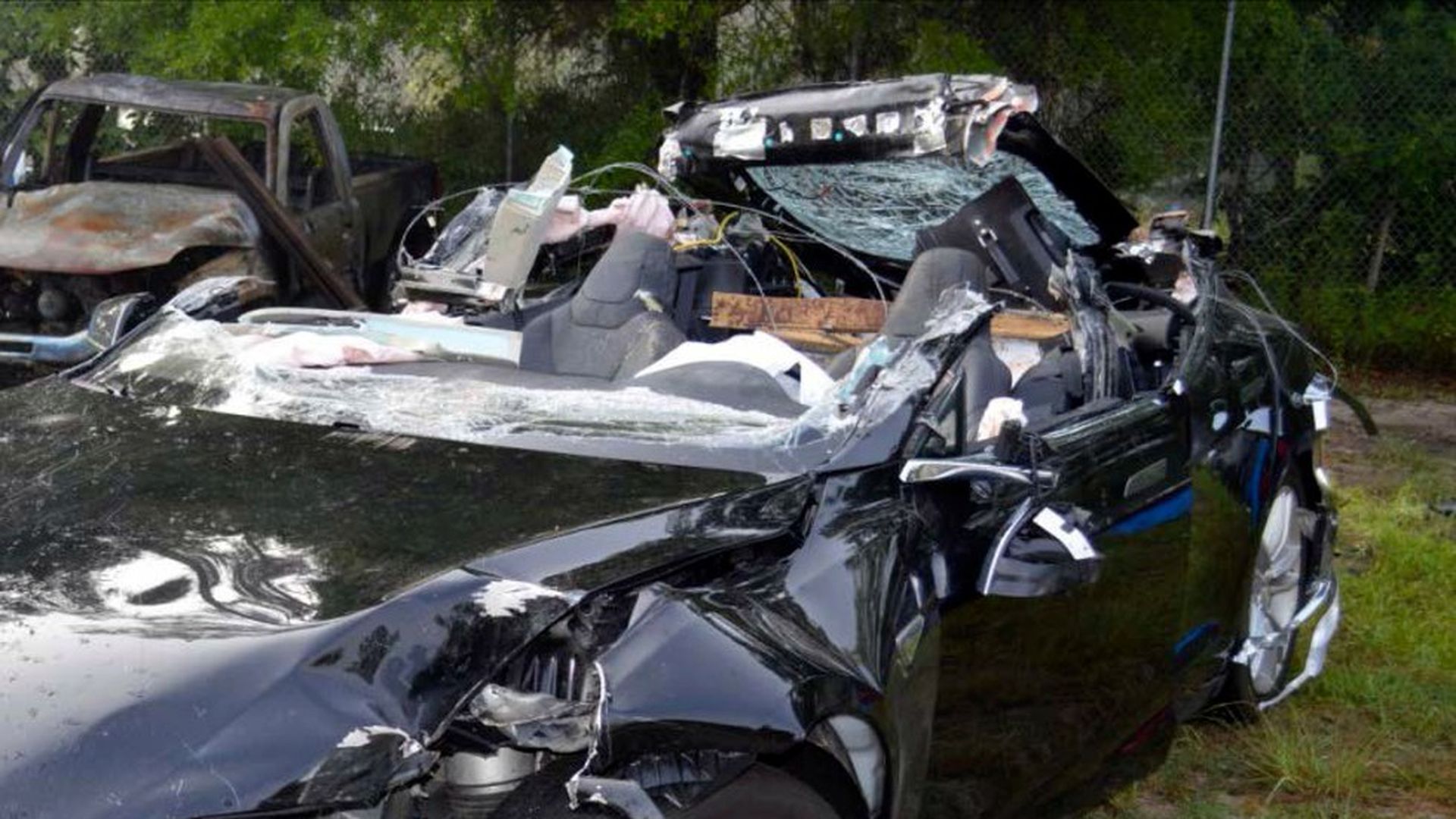
Tesla allowed a driver to use automated controls outside of conditions for which they were intended, leading to a car crash that "never should have happened," the National Transportation Safety Board concluded from its investigation of a 2016 crash involving a Tesla partially-automated vehicle. The driver of the vehicle was also overly reliant on automated features.
Why this matters: The crash caused the first known highway fatality in a vehicle operated with automated controls, and the investigation led to new recommendations for how automated-vehicle makers are held accountable in crashes. NTSB Chairman Robert Sumwalt stressed that the Level 2 automated systems available on the market today are intended to augment human drivers, not replace them, but automakers need to better educate drivers.
"The safety potential of self-driving cars is staggering," Sumwalt said. "But it's a long road from partially automated vehicles to self-driving cars. And until we get there, someone has to drive."

An electromagnetic quirk might change air conditioning
The Bay Area's SkyCool Systems is developing a technology that one day might be used to significantly cut energy demands from air conditioning, one of the U.S.'s major draws of electricity, per MIT Technology Review.
- How it works: SkyCool has developed panels that reflect sunlight at a specific infrared range that allows heat to slip through the atmosphere, allowing their surface to cool — while also cooling the water used in traditional air conditioning systems. Recent results suggest existing buildings can be retrofitted with the technology.
- By the numbers: The panels could cut energy use in buildings by 10 to 70%, depending on conditions.
- Why it matters: Should SkyCool's proof-of-concept test pan out (they're currently in field trials), the technology could have a serious impact at hotels, supermarkets and other places that require massive amounts of climate control.