Tuesday's energy & climate stories

America's oil and gas boom happened under Obama
The issue
President Trump and his top advisers will be taking credit for America's boom in oil and natural gas as part of this White House-themed Energy Week. "For years, Washington stood in the way of our energy dominance," Energy Secretary Rick Perry said Monday, "and that changes now."

Time is running out to save Florida's reefs

The world's third-largest barrier reef, along the Florida Keys, is in imminent danger from climate change, The Washington Post reports. The economy in the Keys faces a direct threat as a result.
Only 10% of the 360-mile-long Florida Reef Tract contains living coral today. In 2014 and 2015, the reefs experienced massive bleaching events — when heat stress alters the key metabolic functions of corals, ultimately killing them. Scientists believe that by 2020, the reefs will experience bleaching events annually as the water temperatures continue to rise.
The Florida Keys' economy is dependent on tourism and a healthy reef. Nearly 4 million people visit yearly, fueling a $2.7 billion economy centered on the coral reef ecosystem, according to Monroe County data. The tourism industry accounts for over half the region's jobs.
What's being done to save the reefs? The Coral Restoration Foundation is implanting endangered corals across the reef. The foundation's science program manager explained to The Post that after six months of monitoring them in nurseries, the coral can be taken to the reefs. It remains to be seen if the implanted species can withstand the imminent climate change.

Carbon in atmosphere climbs even as emissions level off
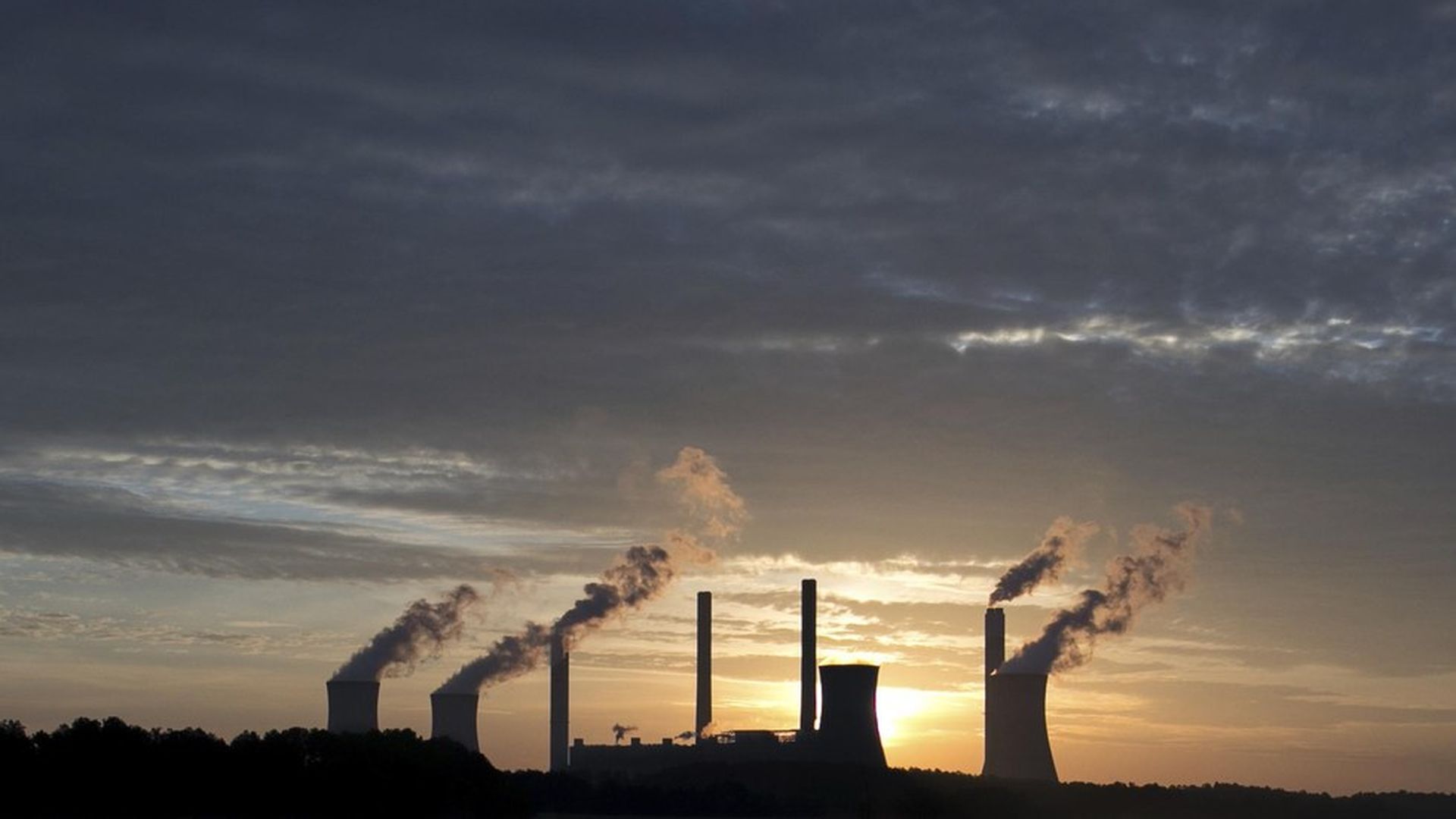
Earth has a climate conundrum: the amount of carbon dioxide released globally each year has, for the most part, stopped increasing.
- But for some reason, CO2 has continued to build up in the atmosphere at a fast pace, reports the New York Times. In 2015 and 2016, amounts of excess CO2 in the air increased at a faster rate than any previous year. It slowed in 2017, but the rate of increase is still above average.
- What's happening: Unclear. Although nations are still pumping out high levels of CO2 and greenhouse gases, it's less than in previous years. Some researchers think that something could be happening to the carbon "sinks" like the ocean and forest, which help store excess carbon and curb warming.
- Why it matters: If carbon sinks are in trouble, levels of atmospheric greenhouse gases could continue to rise, even as emissions rates continue to drop.

NASA, airlines are trying to put all-electric jets in the air

Commercial airlines and NASA are pushing U.S. researchers to take another stab at mastering a futuristic battery that will allow the use of all-electric passenger jets.
NASA has funded a battery project to power a regional, nine-passenger all-electric aircraft. It has pulled together a team including researchers from IBM, Cal Berkeley and Carnegie Mellon University to resolve problems that have dogged lithium-air, a battery concept that, if figured out, could deliver energy density close to that of gasoline. The venture arms of Jet Blue and Airbus are also pushing the universities to figure out electric jets, said Venkat Viswanathan, a CMU professor who is a member of the NASA project.
Why it matters: NASA says a lithium-air propelled electric plane could reduce airliners' operating costs by 30%, plus reduce emissions. In addition, a lithium-air battery — if finally figured out — could eventually revolutionize cars, since they could travel 500 miles on a single charge.
Wall Street is starting to care about climate change

A record number of investors are pressuring fossil-fuel companies to reveal how climate change could hit their bottom lines.
Efforts by shareholders to push resolutions on the risk related to carbon regulations are reaching a tipping point, with almost half of investors in fossil-fuel and utility companies backing resolutions, according to a new analysis by nonprofit group Ceres not yet published publicly. Activist shareholders of publicly traded companies have been pushing resolutions on climate change for years and now the effort is going mainstream with new support from institutional investors.
Why it matters: With the U.S. government retreating on climate policy under the leadership of President Trump, corporate America is emerging as the central battleground. The increased support for climate-related resolutions show that mainstream investors are taking the issue more seriously than ever despite Trump.