Monday's economy stories

Fewer workers are moving to Silicon Valley
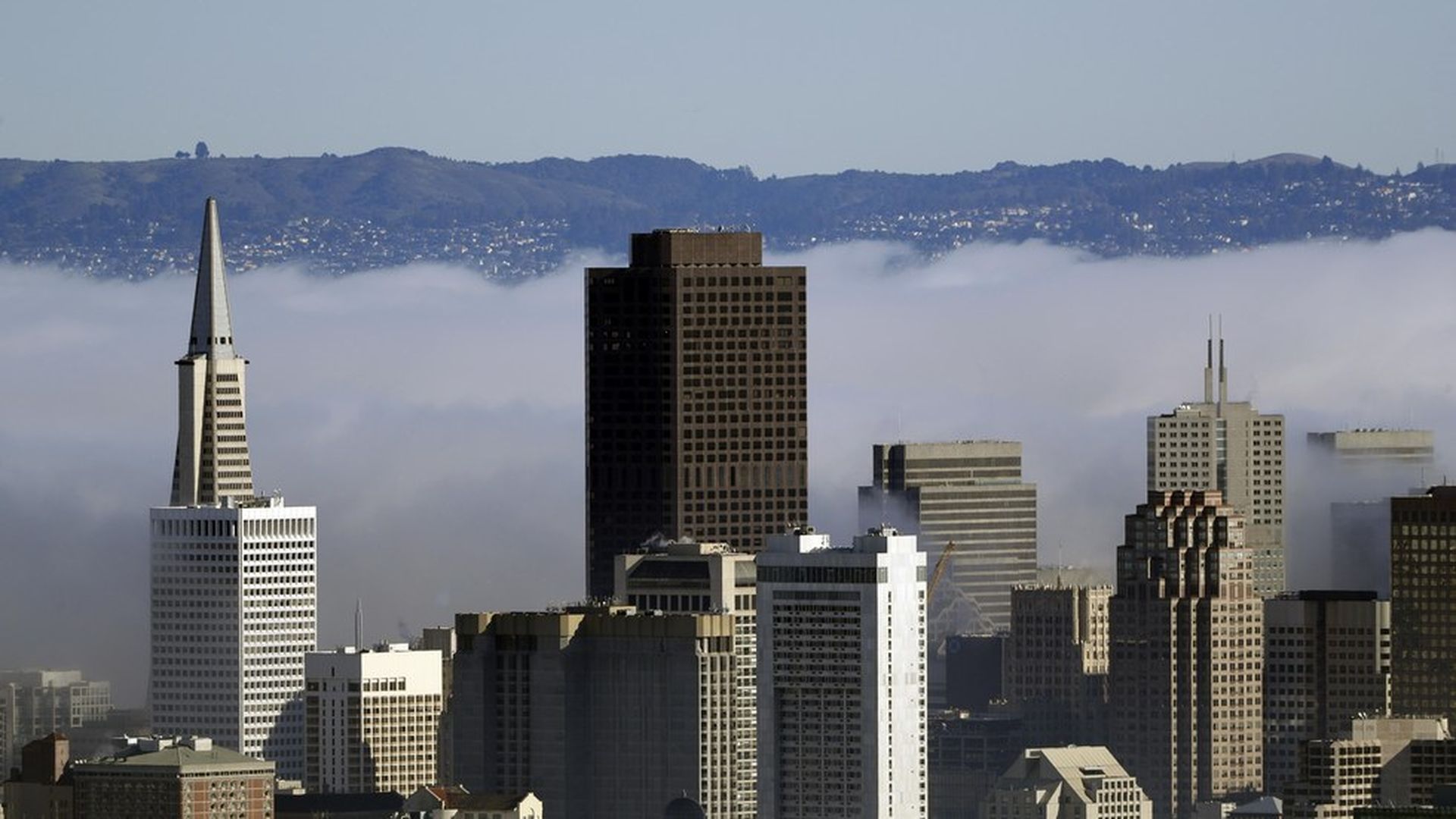
The Bay Area gains more workers than it loses, but the net number of workers moving to the region decreased 17% since February, according to the latest LinkedIn Workforce Report.
Over the same period, people are flocking to cities like Seattle, Portland, Denver, Austin and Charlotte, the report found. These cities have a lot of high-paying jobs and a more reasonable cost of living.
What it means: The Bay Area continues to attract skilled workers thanks to the concentration of high-tech companies based there, and it still has the highest skills gap in the country — meaning demand for certain skills exceeds the supply of workers. But high housing prices and increasing traffic congestion have discouraged some workers from relocating there. Other emerging innovation hubs are gaining ground not only in the form of interest from investors, but also from workers interested in the affordable lifestyles they offer.

We've always been afraid of technology
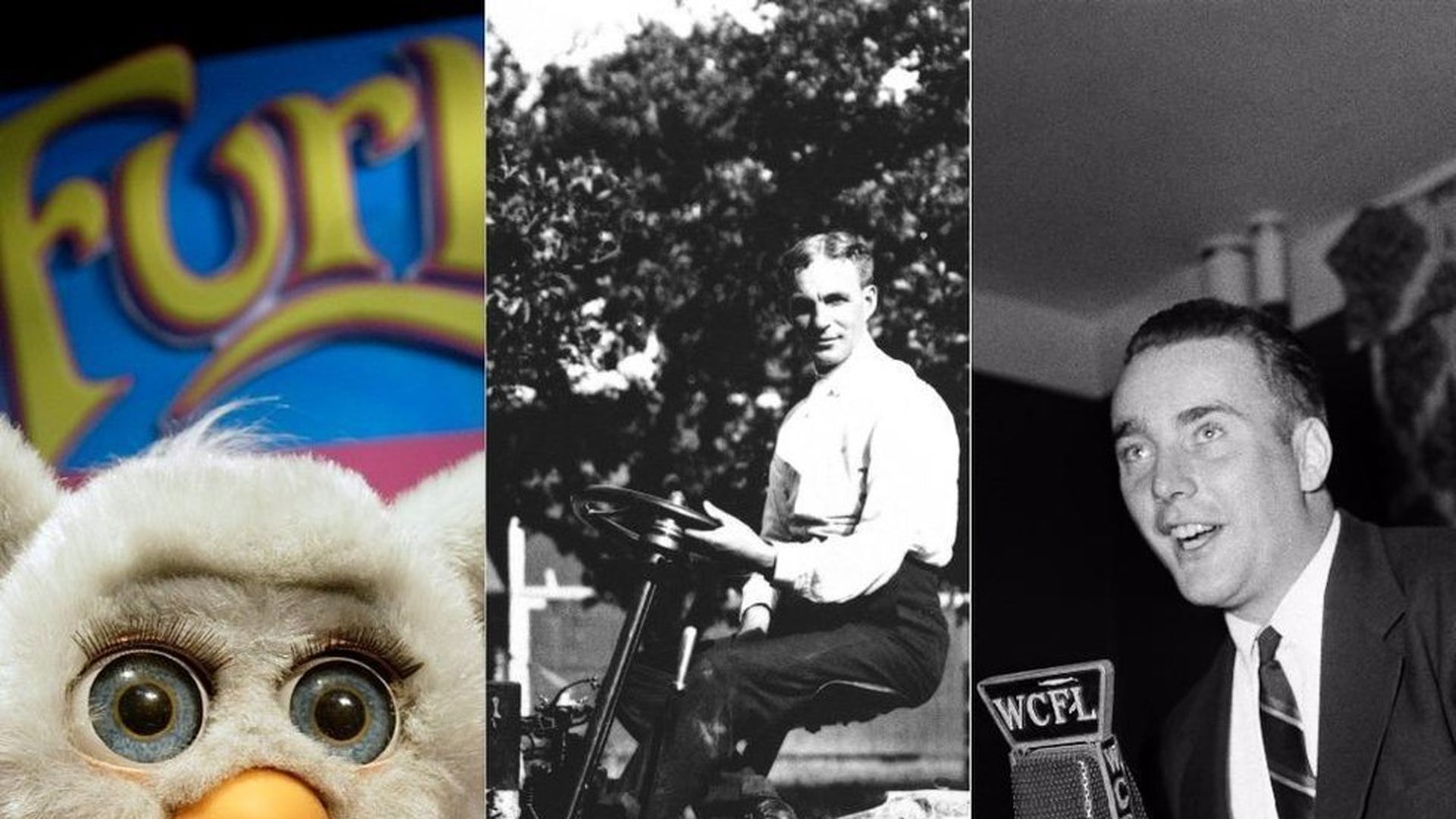
Technology evolves fast. We are hearing a lot of questions about where we're headed as a society, and whether or not robots will take over our lives completely. Automation can disturb us and, sure, driverless cars are a little frightening. But our fear of technology has been around since we began to invent -- it's not known for sure, but the Bronze Age-wheel, too, must have troubled some people. The Pessimists Archive has a collection of some of the best reactions to new inventions and gadgets.
Furby toys, 1999: "Hot toy turned electro-menace." NYT called the toy "a threat to nothing but the wallets and emotional equilibrium of desperately shopping parents."
The Internet, 1996: Iranian government officials wanted a "spiritual hold" on the Internet and they thought kids would be able to be brainwashed by things they saw online.