As taxpayer-funded public transit systems look for a way out of their coronavirus death spiral, a private equity tycoon is betting on a public-private financing model as a way to fund big transportation projects in the future.
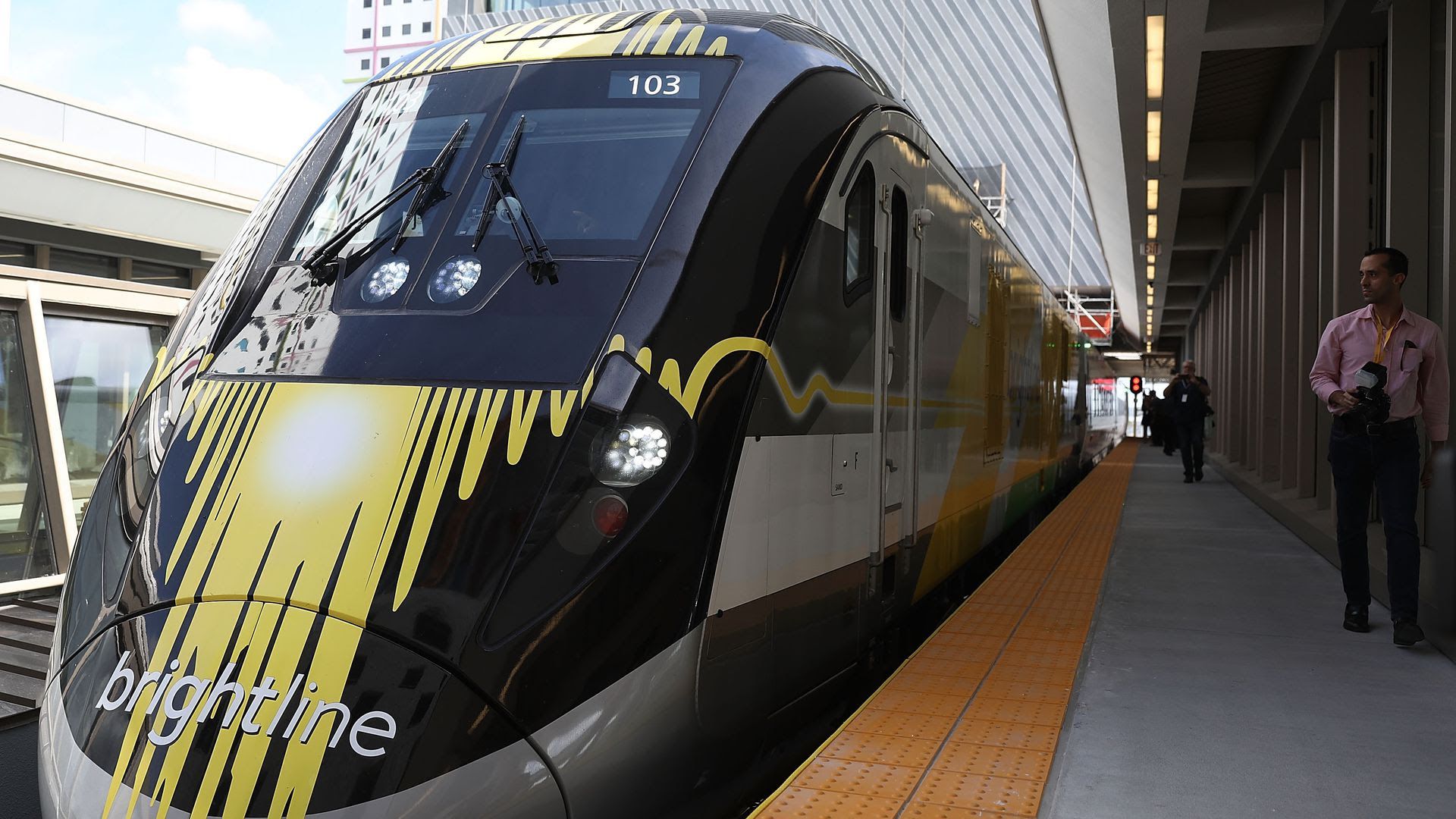
What's happening: Fortress Investment Group's Wes Edens is putting $100 million of his own money into a $9 billion plan to build new light rail systems in Florida and on the West Coast, Forbes writes.
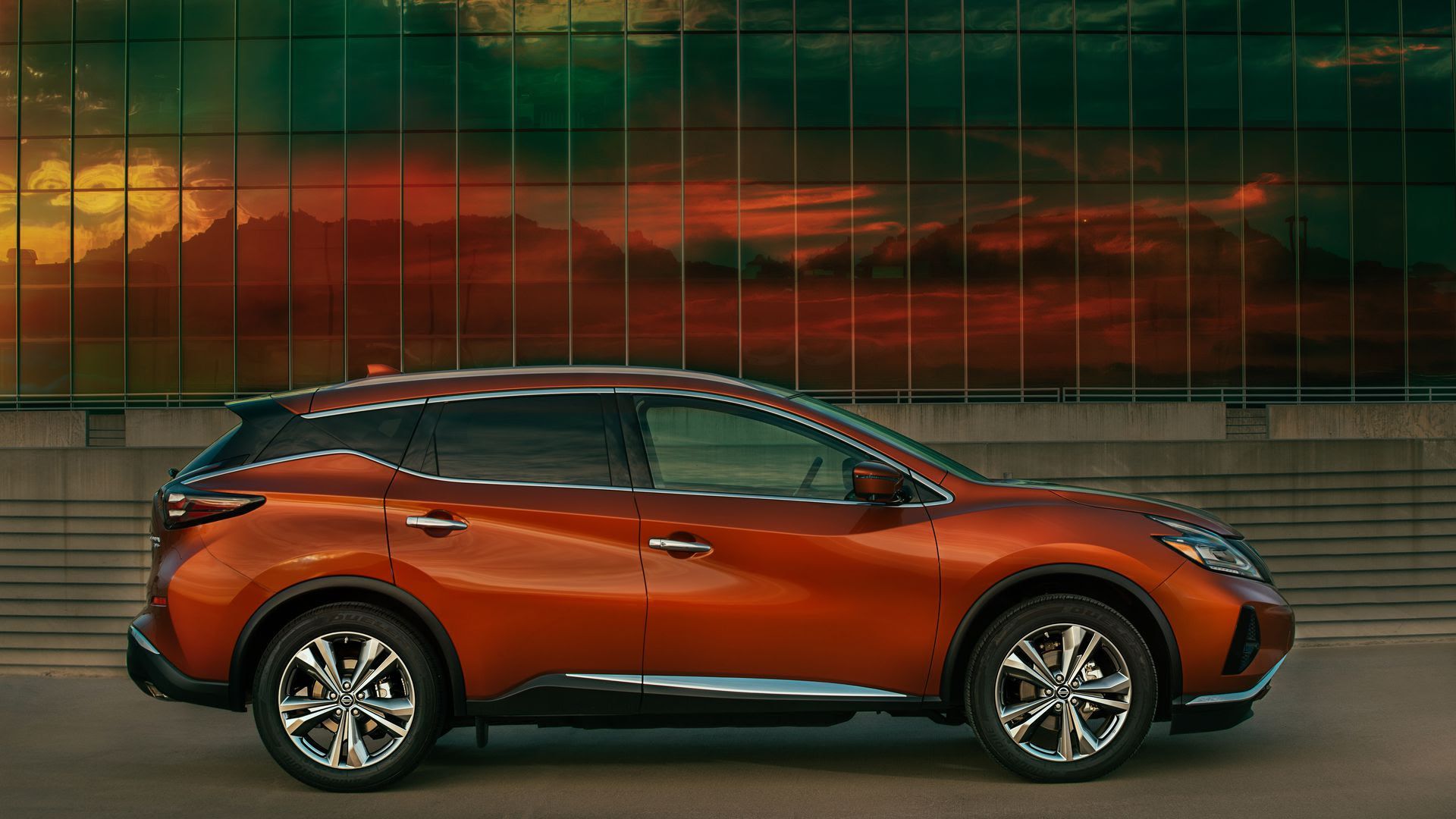
This week I'm driving the 2020 Nissan Murano, an SUV crossover that isn't the newest kid on the block and yet still manages to stand out from the crowd.
The big picture: The Murano is the design halo for Nissan's SUV lineup, even though it's outsold by the smaller Nissan Rogue. The styling is distinctive, with boomerang-shaped LED headlights and its so-called "floating" roof.
The coronavirus pandemic has left global automakers and suppliers burdened with debt and in a much weaker position to navigate a historic transformation toward electric, self-driving cars.
Why it matters: The industry was already entering what AlixPartners called a multiyear "profit desert" because of the massive upfront investments they are making in future technologies. Now carmakers will likely be forced to delay or cut spending on many of those innovations as they crawl out of a giant COVID-19 hole.
The U.S. Treasury Department is leaning against releasing the names of small businesses that received Paycheck Protection Program loans, as first reported by Politico and confirmed by Axios.
Why it matters: Taxpayers bailed out millions of small businesses with hundreds of billions of dollars. But they may never know where the money went — a lack of transparency that could make it harder to know how well the program worked, or if certain applications were fraudulent.
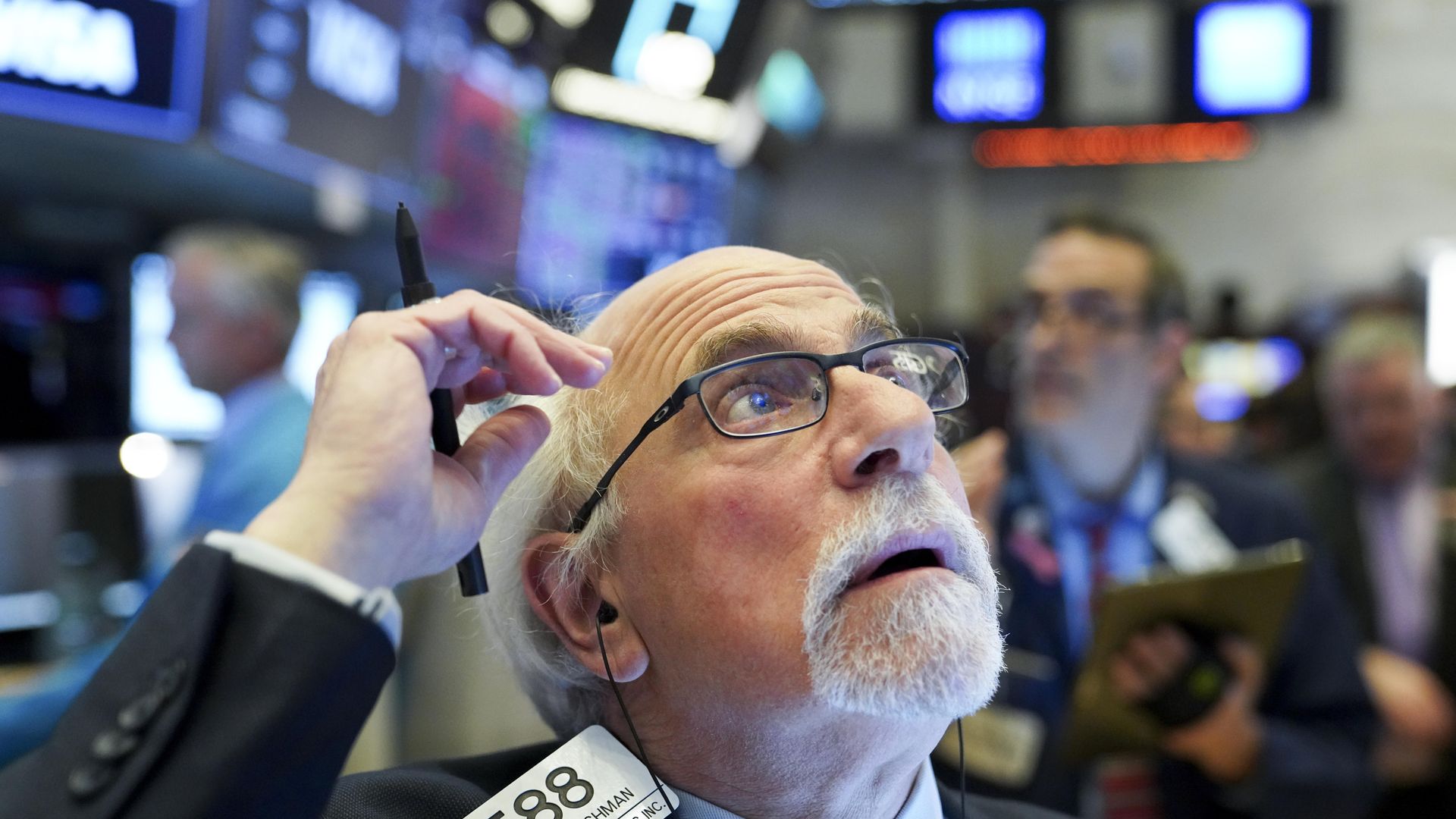
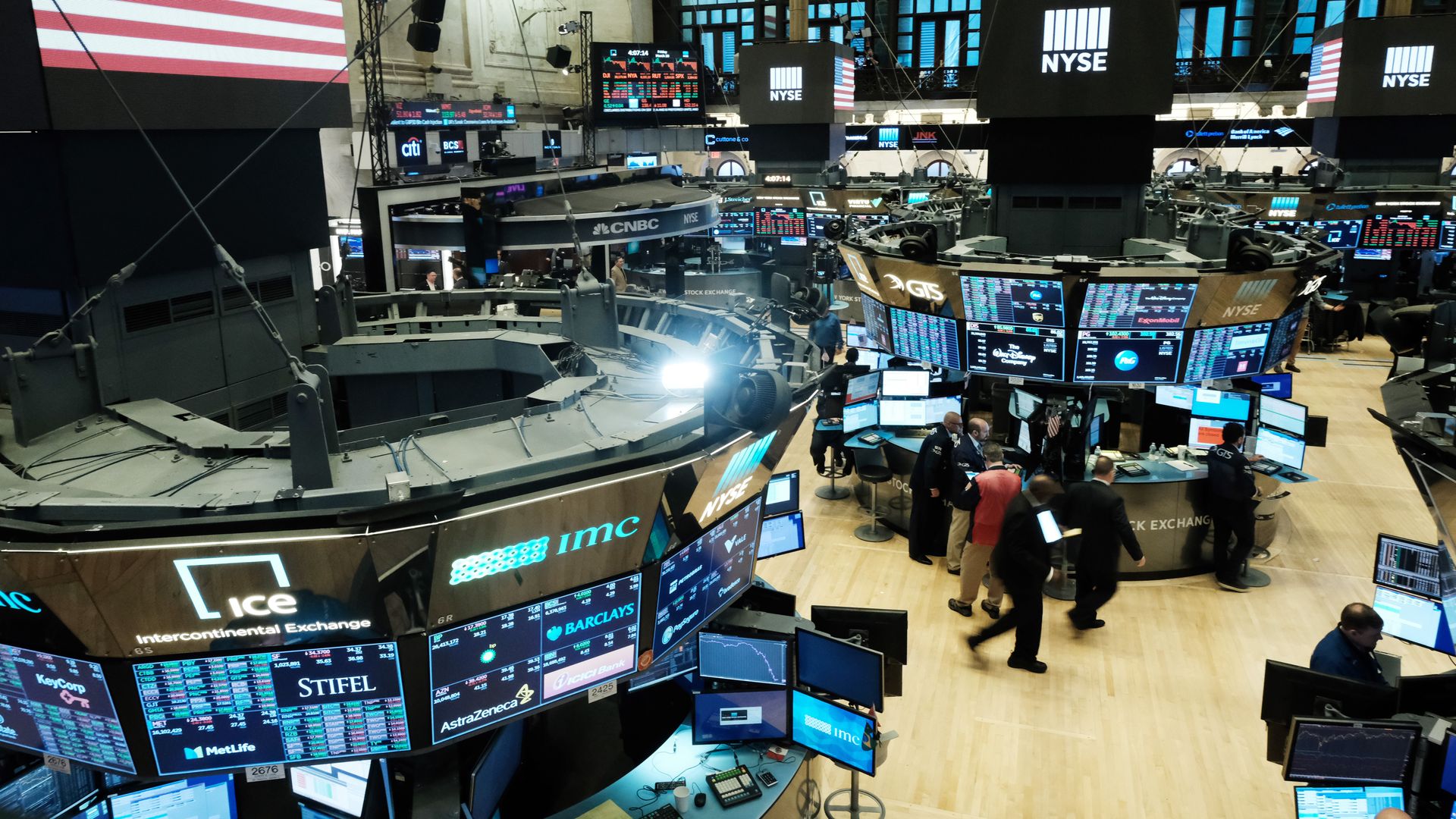
The Dow fell 1,861 points Thursday, the fourth worst one-day point drop on record, and the S&P 500 and the Nasdaq sank 5.9% and 5.3%, respectively. It was the worst one-day decline for the major averages since March 16.
Why it happened: Various media reports have pointed to an increase in COVID-19 cases and deaths (which had been happening for at least a week) and the Fed's dour economic outlook at its June policy meeting (which was little changed from its dour economic outlook in April).
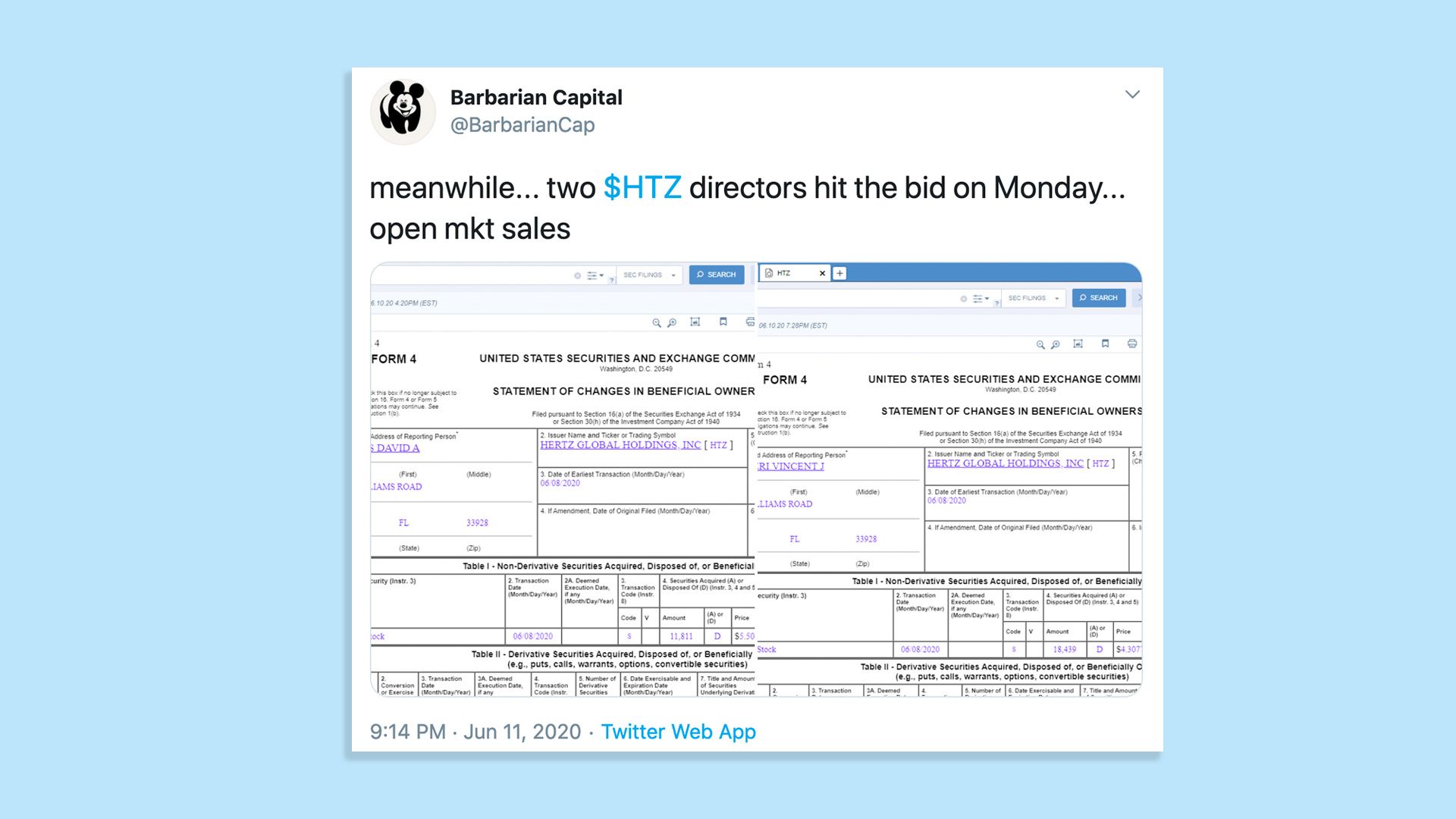
Bankruptcy court Judge Mary Walrath set a hearing for today to determine whether bankrupt rental-car company Hertz can issue nearly 250 million new shares of common stock it hopes will fetch around $1 billion.
Why it matters: Shares of bankrupt companies are typically worthless, except in rare instances where a company can repay its debt in full and money is left over for equity holders.
The responses of fewer than 41,000 people were used to determine a major part of last month's U.S. unemployment rate, the Bureau of Labor Statistics tells Axios.
Why it matters: That's the lowest number in modern history and is one of many unusual developments in government data collection that have affected important readings for months.
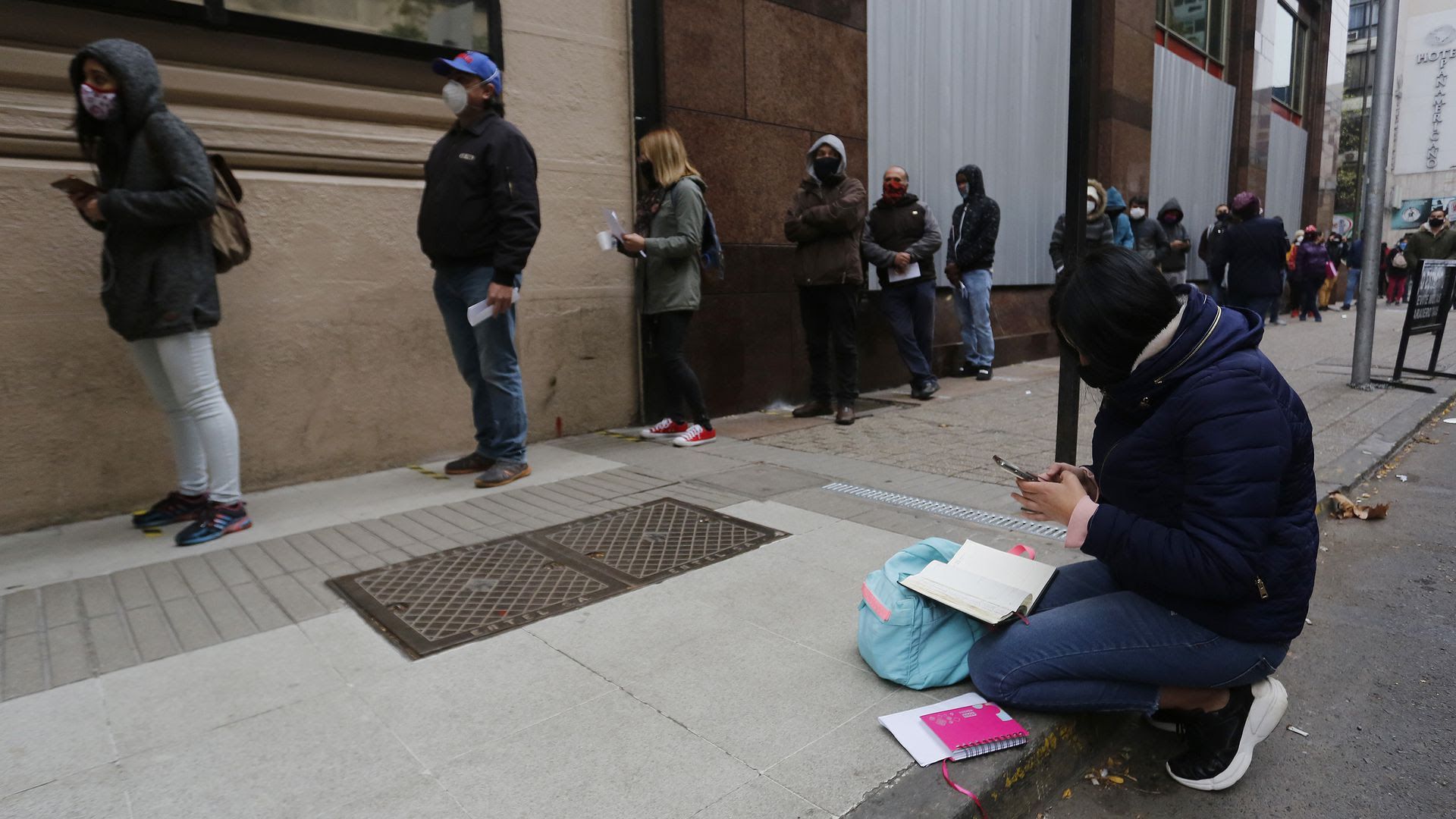
Most states paused evictions when the coronavirus hit — but those holds are expiring at about the same time that more generous unemployment benefits are set to dry up.
Why it matters: The one-two punch could easily exacerbate the housing crisis for Americans already bearing the worst of COVID-19's effects.

/2020/06/12/1591978471515.gif?w=3840)