Axios Media Trends

October 21, 2026

Good evening. Today's newsletter, edited by Christine Wang and copy edited by Sheryl Miller, is 2,753 words, a 10½-minute read. Sign up.
This is a special edition of Axios Media Trends, recapping the news that broke on stage at Axios Media Trends Live in New York City yesterday.
- Full video of the event can be found here.
- Email [email protected] if you'd like to receive transcripts and photos.
1 big thing: 🏛️ Emma Tucker defends WH dinner

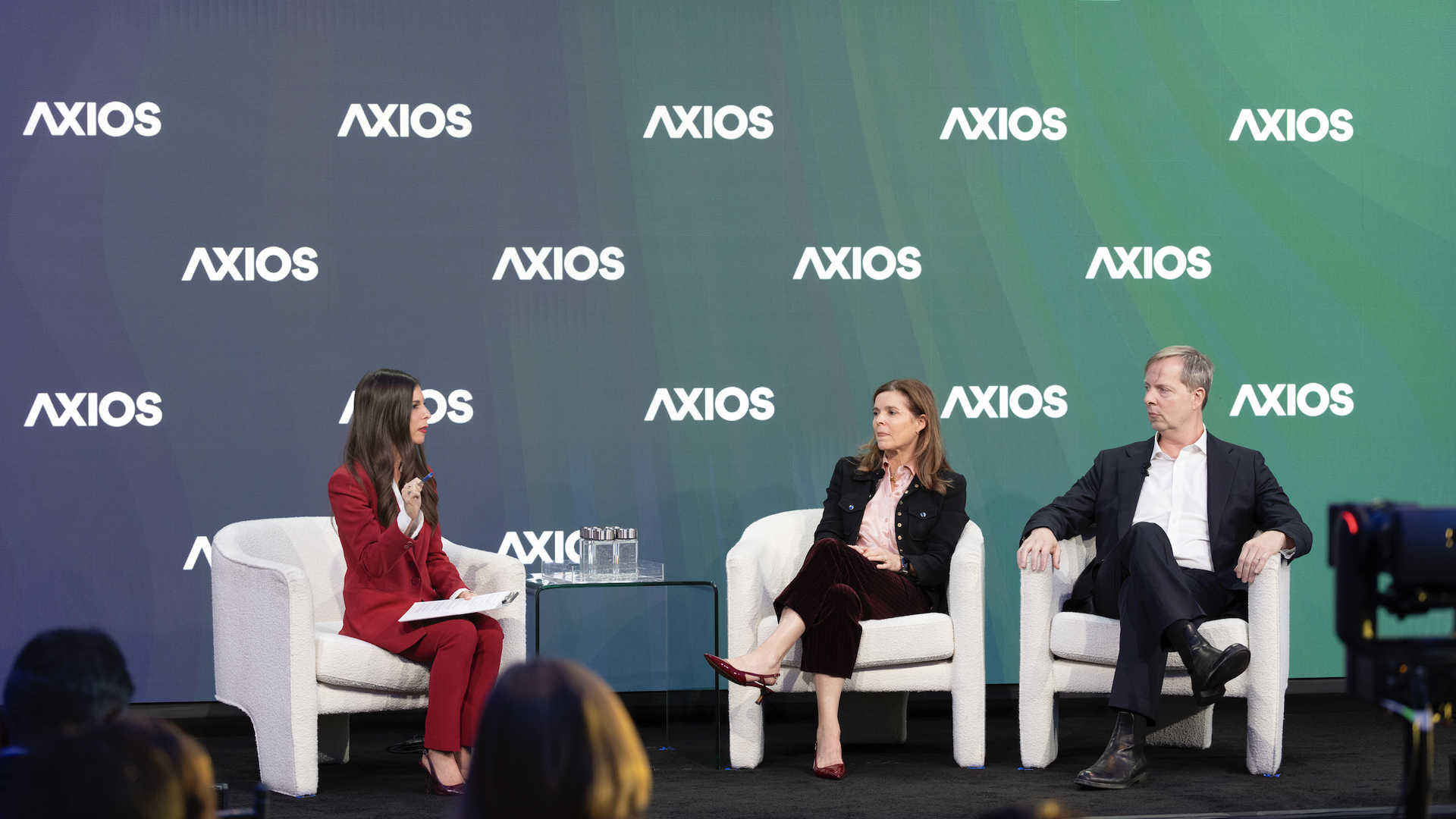
Wall Street Journal editor-in-chief Emma Tucker defended attending the White House dinner with News Corp. executives earlier this month.
- "Look, I'm a journalist. I was not going to say no to a dinner with the president of the United States," she told Axios.
Why it matters: The dinner raised eyebrows not only because the Journal is locked in a legal battle with President Trump, but also because of the Trump administration's unprecedented pressure on the press, particularly for outlets whose owners have ties to the president.
Zoom in: Tucker said the dinner was "interesting" and that it's good Trump wanted to engage with the Journal. "He's clearly reading us and cares about what we do."
- She noted the Trump administration engages on different levels. "You can be doing one thing at one level and having a conversation at a different level. So the more conversations, the better."
Zoom out: The Trump administration has been locked in legal fights in recent weeks over press access and pool coverage.
- Dozens of news outlets, including Axios and WSJ parent Dow Jones, have supported their peers who face White House access restrictions, arguing that the efforts to bar them are illegal and unconstitutional.
- Dow Jones CEO Almar Latour declined to comment on ongoing litigation, but told Axios at Media Trends Live, "We defend our journalists. We believe in standing up for free press."
What to watch: Tucker and Latour emphasized the company's ambitions in video, pointing to new hires and job listings to support that effort.
- "We're about recurring revenue. We're about high-quality content and high-quality news. And I think those themes will be echoed on any platform in which we are going to be active," Latour said.
2. 📺 Versant not likely to buy Skydance cable networks
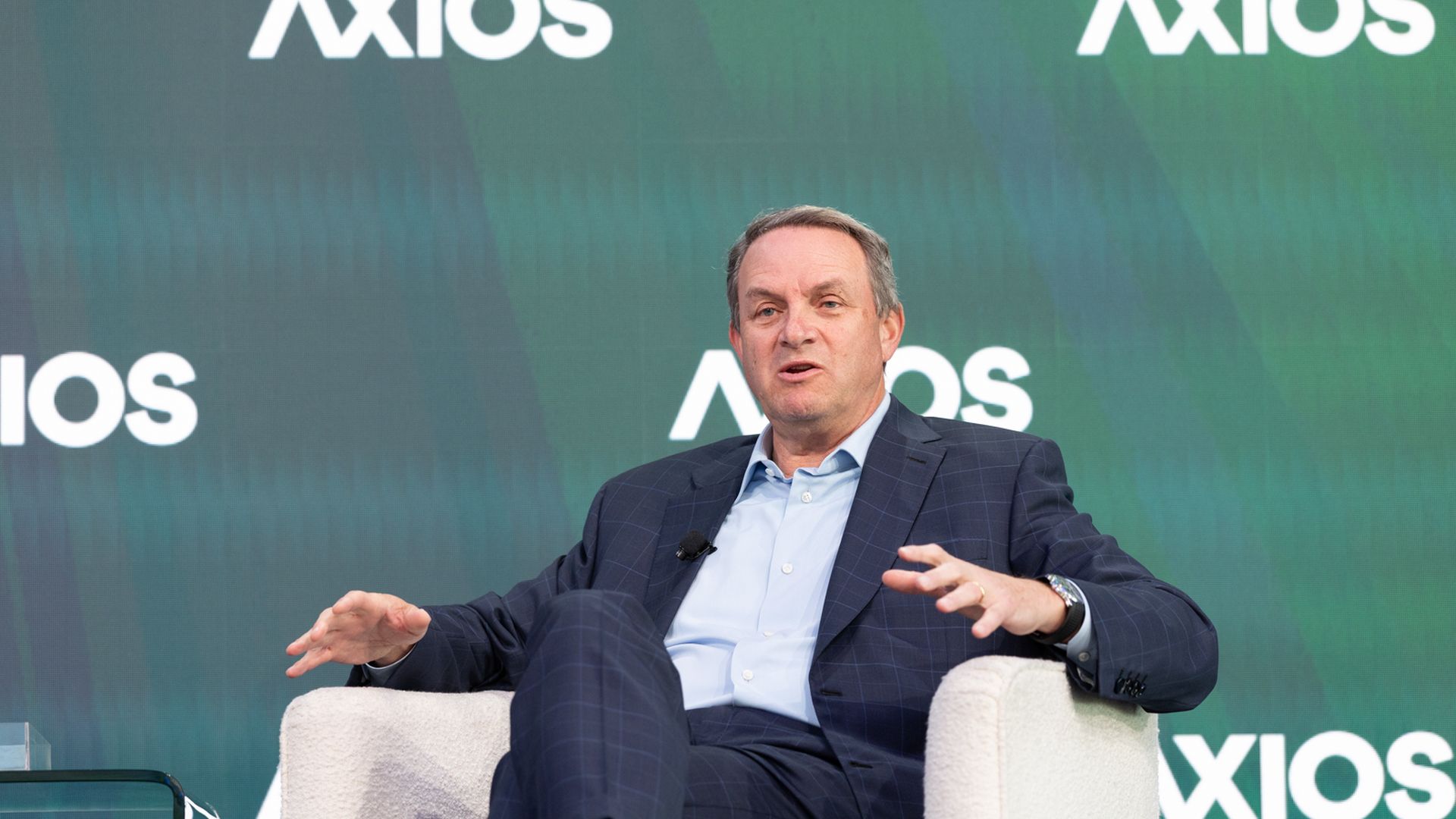
Versant is unlikely to buy Skydance's cable networks, CEO Mark Lazarus told Axios.
Why it matters: Versant spun out of Comcast earlier this year and has already started to acquire some new properties as a stand-alone company.
- Wall Street has speculated that Skydance could sell some assets as it restructures and consolidates its business now that the Warner Bros. Discovery merger is complete.
Zoom in: "Buying more cable assets on a large scale would prolong our life but not necessarily make our life better because we still have the secular decline," he said.
- "But just buying big networks or a bunch of networks that don't necessarily change our trajectory is probably not in our short-term future."
- Versant is instead focusing on diversifying its revenue "in adjacent businesses that are incredibly powerful consumer branded networks as an amplifier and create bigger businesses," like golf.
Between the lines: Lazarus said the company's initial strategy post-spinout is to look for opportunistic M&A alongside its existing businesses.
- Versant's properties include business news in CNBC, political news and opinion with MS NOW, sports and entertainment brands like USA Network and Syfy, as well as movie ticketing business Fandango.
Catch up quick: Comcast spun its cable networks out into the publicly traded firm that is Versant late last year, because it thought its business was being devalued when its media, broadband and cable assets were packaged together.
- In June, it announced plans to spin out NBCUniversal from its connectivity business.
The big picture: Asked whether Comcast succeeded in creating value with the Versant spinout, Lazarus said, "We have not yet."
- "We are undervalued," he said. "We're not trading at a multiple that even our like-minded competitors are trading at. We have to prove our thesis here that we can take these brands and create growth businesses."
What to watch: Lazarus said Comcast wasn't planning to split with NBCUniversal when it spun out its cable networks, but that it "wouldn't be the plan" to go back to being combined with NBCUniversal.
3. ⚖️ Commissioner Gomez says she believes ABC will likely prevail against FCC
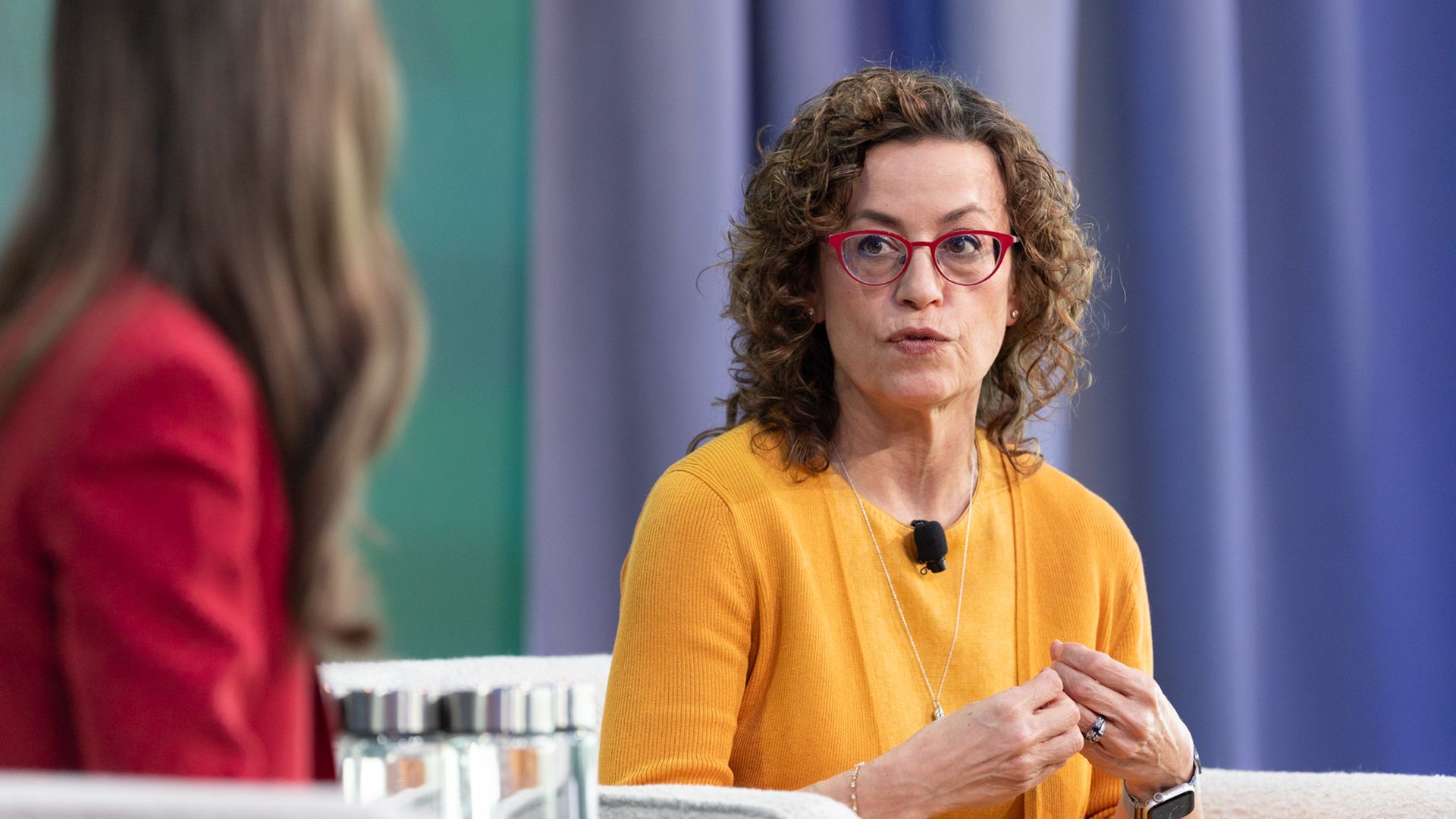
FCC commissioner Anna Gomez believes that ABC will likely prevail in court in its First Amendment lawsuit against the agency.
Why it matters: The network has sued the FCC, arguing that the agency's early review of its broadcast licenses is retaliation for its editorial decisions.
What she's saying: "I can tell you that I'm very glad Disney found its courage because I've said this time and time again: Capitulation breeds capitulation, but courage inspires courage," Gomez, the lone Democratic commissioner at the FCC, told Axios.
- "And Disney speaking up for the First Amendment and for its free speech rights, for its editorial decisions, is very important. They clearly saw that it was in their interest, and they are committed."
- Gomez argued the FCC's actions "are designed to try to bring Disney to heel, so that it changes both its news reporting, its comedy, its daily shows."
Zoom out: She argued that when institutions like the New York Times, Harvard and law firms push back on the Trump administration, the "Constitution wins, and our democracy wins.
- "When corporations bend the knee, it just frays our democracy, and it's so important that we stand up for our rights, and that is what Disney is doing."
4. 🎤 Kenan Thompson weighs in on Shane Gillis controversy
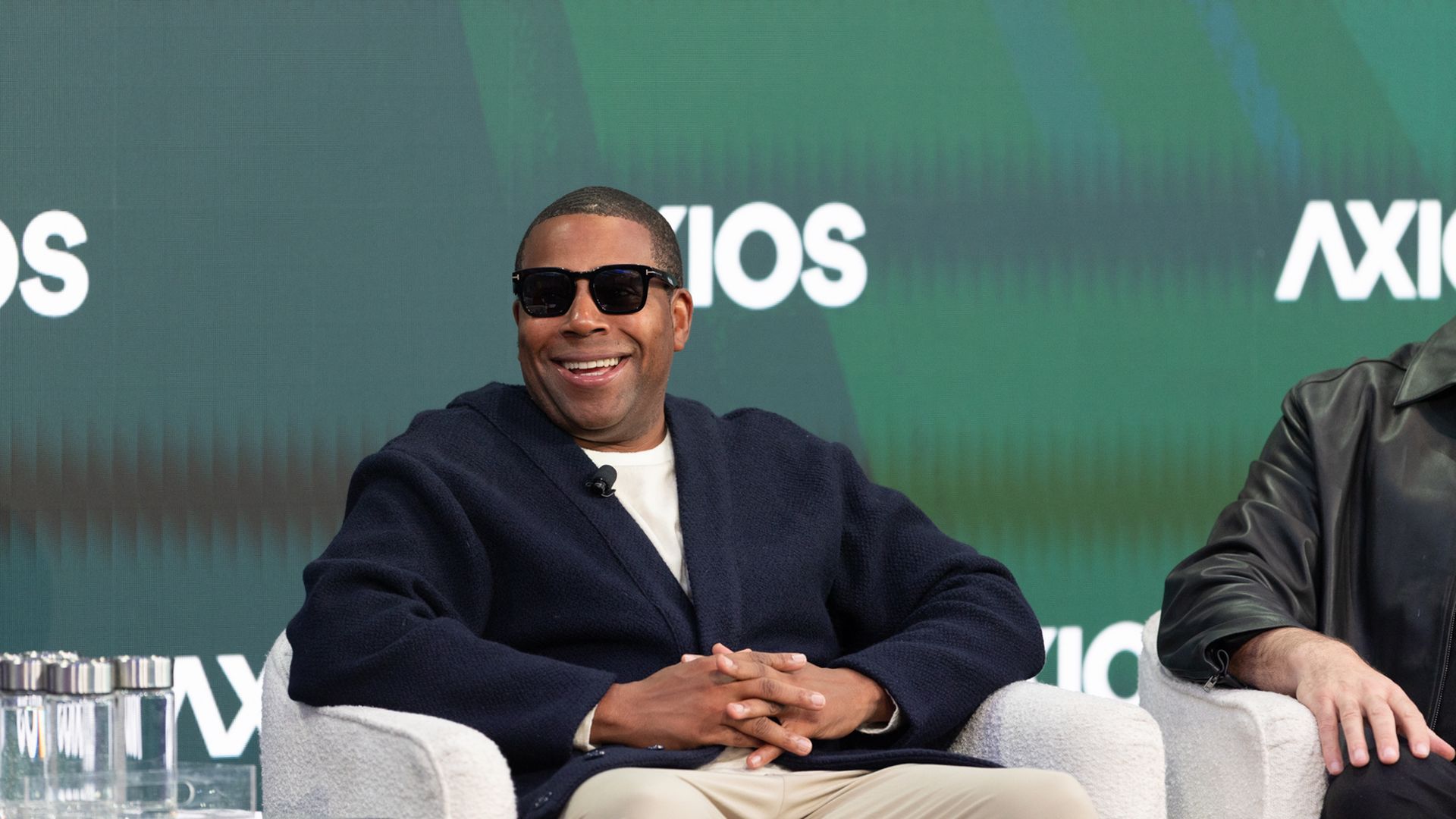
"Saturday Night Live" star Kenan Thompson said he would have a candid conversation with Shane Gillis if he returned to host after Gillis' controversial monologue.
- "I don't know him to be a mean person necessarily," he told Axios. "But yeah, if he were to come back, I'm sure we would have a conversation of like, how do you think that went?"
Why it matters: Gillis' remarks sparked debate over the boundaries of comedic license after saying women who wear shorts to the gym dress like "whores."
- Gillis was fired from the show in 2019, just days before his debut, after clips resurfaced of him using racial slurs and homophobic language.
What he's saying: Thompson noted, "I can't really say like if they're gonna have him back or not. That's not my decision."
- "But if he were to come back, then yeah, I think we would have to have some sort of real chat where people's actions don't overly wave pull the rest of us," he said.
- "Everybody's focusing in on this one specific word or one specific part of the monologue, and then the rest of the monologue or even the rest of the show is getting overshadowed."
Zoom in: Peter Micelli, CEO and co-founder of Range Media Partners, a talent management business that also represents Gillis, argued that most of Gillis' monologue was self-deprecating and that people don't watch comedians who don't test boundaries.
- "We need to support artists more than ever to push those boundaries, let us loosen up a little bit. It's a balance we desperately need," he told Axios.
The big picture: Thompson said it's a "more scrutinized" time for comedy as society becomes more "responsive to every single little thing."
- "I don't think jokes are necessarily harmless just because they're jokes and you didn't intend it to be a certain kind of way. I think you need to educate yourself on how things might impact people," he noted.
- The Emmy-winning actor and comedian said criticism of jokes that didn't land well makes him rethink his approach, adding he prefers ribbing people on things he thinks they would also laugh about.
What to watch: Asked about what SNL would look like in a post-Lorne Michaels era, Thompson said the show would likely still be in good hands with people like Tina Fey, Seth Meyers or Steve Higgins.
5. 🤳 Truth Social eyes creators
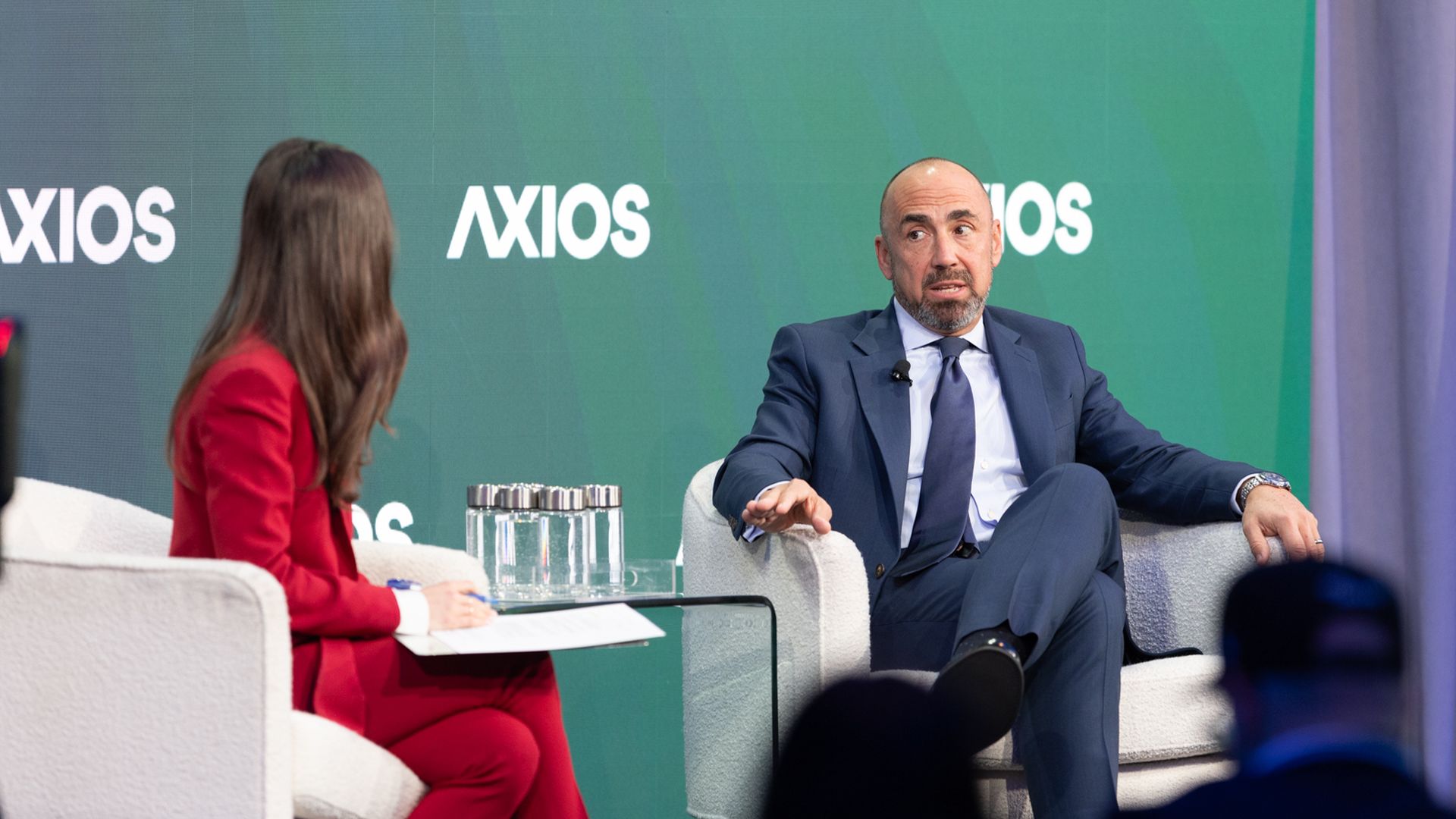
Trump Media and Technology Group CEO Kevin McGurn said TMTG is proactively recruiting more creators to Truth Social as it builds out its content and distribution platform.
- "I want more content on the service. I want more creators on the service. I want more distribution, not just here in the U.S., around the world," he said.
Zoom out: TMTG faces pressure from Democratic lawmakers who have called for investigations into TMTG's Truth API product, alleging faster access to President Trump's market-moving posts would constitute insider trading.
- McGurn said, "Some of these investigations are ongoing, so I can't really comment on them specifically."
- "We do our diligence, obviously, present all the different details of the business back to them when asked and we're just going to continue along with our business," he said.
Catch up quick: TMTG launched Truth API earlier this year, selling faster access to posts from Truth Social's top 10 trending accounts.
- Democrats criticized the move and asked the SEC to investigate whether the product violates federal securities laws.
- McGurn defended the product, saying, "This is a tried-and-true technology that's out there from all other social media and information platforms."
- "We had an API built, and we went out to license it and had a bunch of demand that actually constructed our business model," he said, adding that high-frequency trading platforms had asked about it over the last 18 months.
State of play: McGurn declined to offer specific figures, but said the API is "a good cash-positive business for us" that monetizes a "big news and information source already built up."
6. 💰 Hearst bought A&E to avoid selling at a low price, CEO says
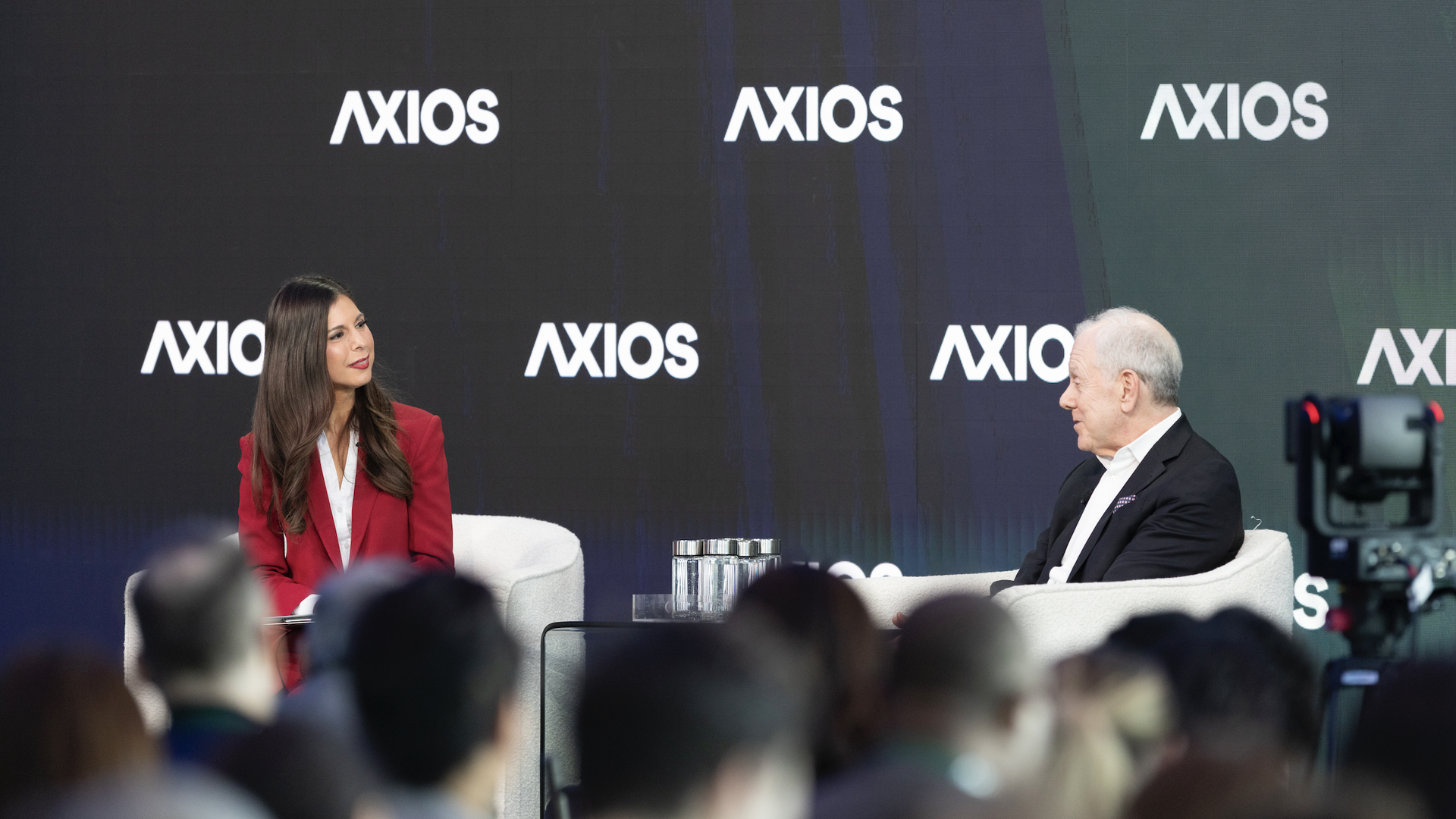
Hearst bought out Disney's 50% stake in A&E Global Media because it was a better alternative than selling to a third party at "what would have been a really low price," president and CEO Steven Swartz told Axios.
Why it matters: Hearst has the balance sheet to make such a move, but its CEO acknowledges that plans for the asset are still in the works.
Catch up quick: The 139-year-old media giant bought out Disney's 50% stake in August for $1.2 billion in cash after co-owning the asset in a 50/50 split since 2012.
Zoom in: Swartz said he thinks Disney "is very focused on what they're doing with Disney+" and concluded that the A&E networks "weren't going to fit in there."
- "So I think we jointly discussed that one of us should probably buy out the other, just to allow A&E to experiment more, and perhaps move a little faster," he said.
- "We decided it made more sense for us to be the buyer, and so we're happy to own the other half."
State of play: Hearst is working with A&E president Paul Buccieri "to figure out what we can do to bring some perhaps new growth platforms" to the company, Swartz said.
- "We don't have a grand plan, and we're open to all the tools that are in anybody else's toolbox too. As I said, live events, podcasting, and on and on," he added.
Zoom out: While Swartz acknowledged there are pressures on the cable business, he said the media giant is committed to retaining its 18% stake in ESPN. Asked if he would consider selling it, he said unequivocally "no."
- He lauded the NFL, which took a 10% minority stake in ESPN this year, as "not only the best brand in sports — they may be the best brand in entertainment."
7. 🏀 When "building a sports empire" doesn't always work


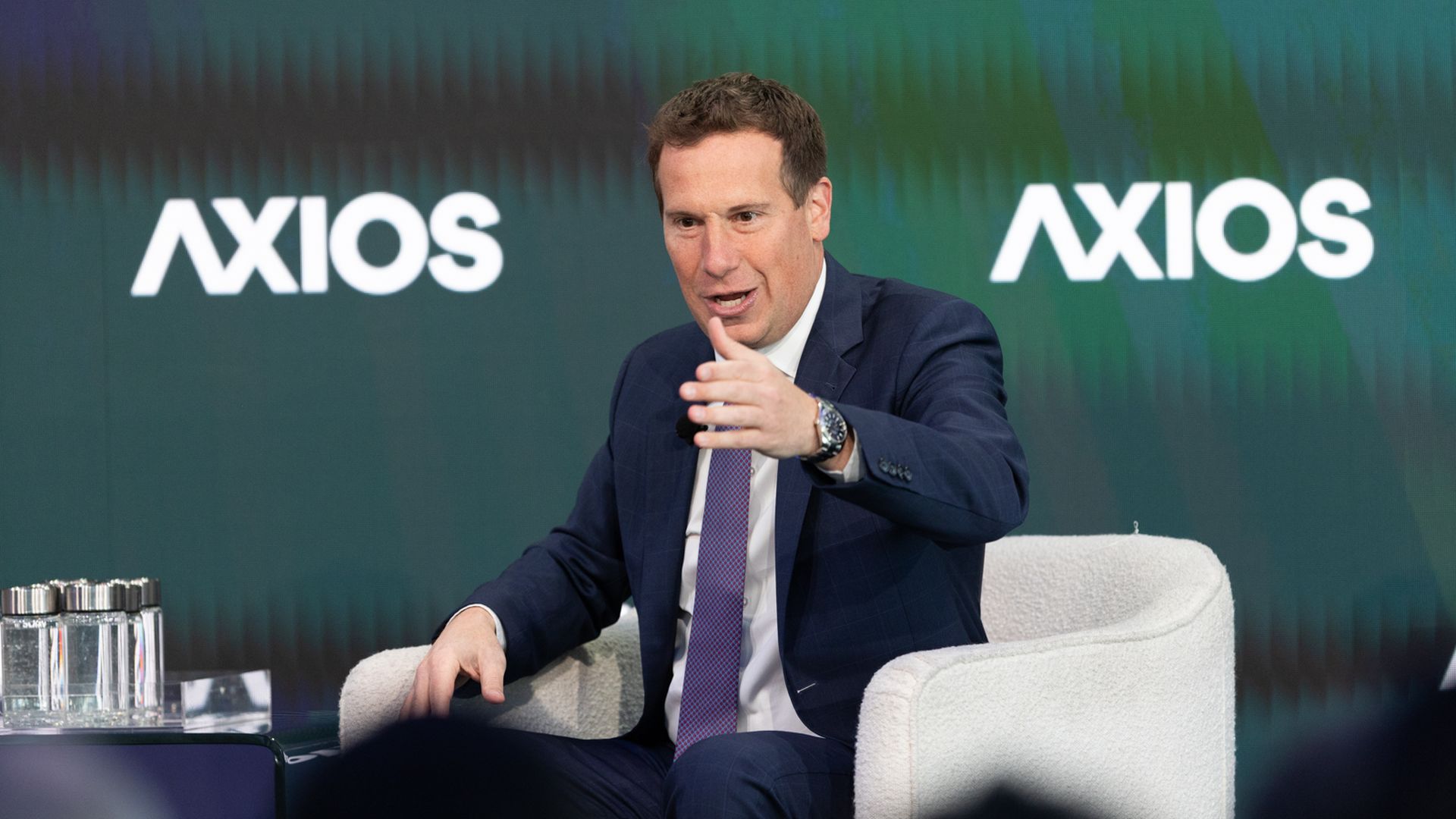
Phoenix Suns and Mercury owner Mat Ishbia told Axios that "trying to build a sports empire" through private equity doesn't always equate to a winning experience.
Why it matters: Private equity firms are pouring billions into professional sports as franchise valuations soar.
Zoom in: Ishbia, who acquired a majority stake in the franchises at a roughly $4 billion valuation, has emphasized long-term investment in his teams rather than maximizing short-term profits.
- "I'm not trying to make money. I'm trying to, you know, impact fans and make it a fun thing," he said.
- "It's a game of abundance. Create more fans. Money will follow. Do the right thing."
Between the lines: He recently acknowledged mistakes in his early approach to building a championship team, including the trade for Kevin Durant.
- In a CNBC Sport interview, Ishbia said he initially tried to solve the Suns' problems by spending money rather than establishing a clear vision.
- Durant pushed back on the comments, leading to a public exchange between the two over the weekend on X.
Zoom out: Ishbia has challenged traditional sports business models, including making local Suns and Mercury games available free over the air.
8. 🎙️ iHeartMedia CEO warns of podcast deal "exuberance"
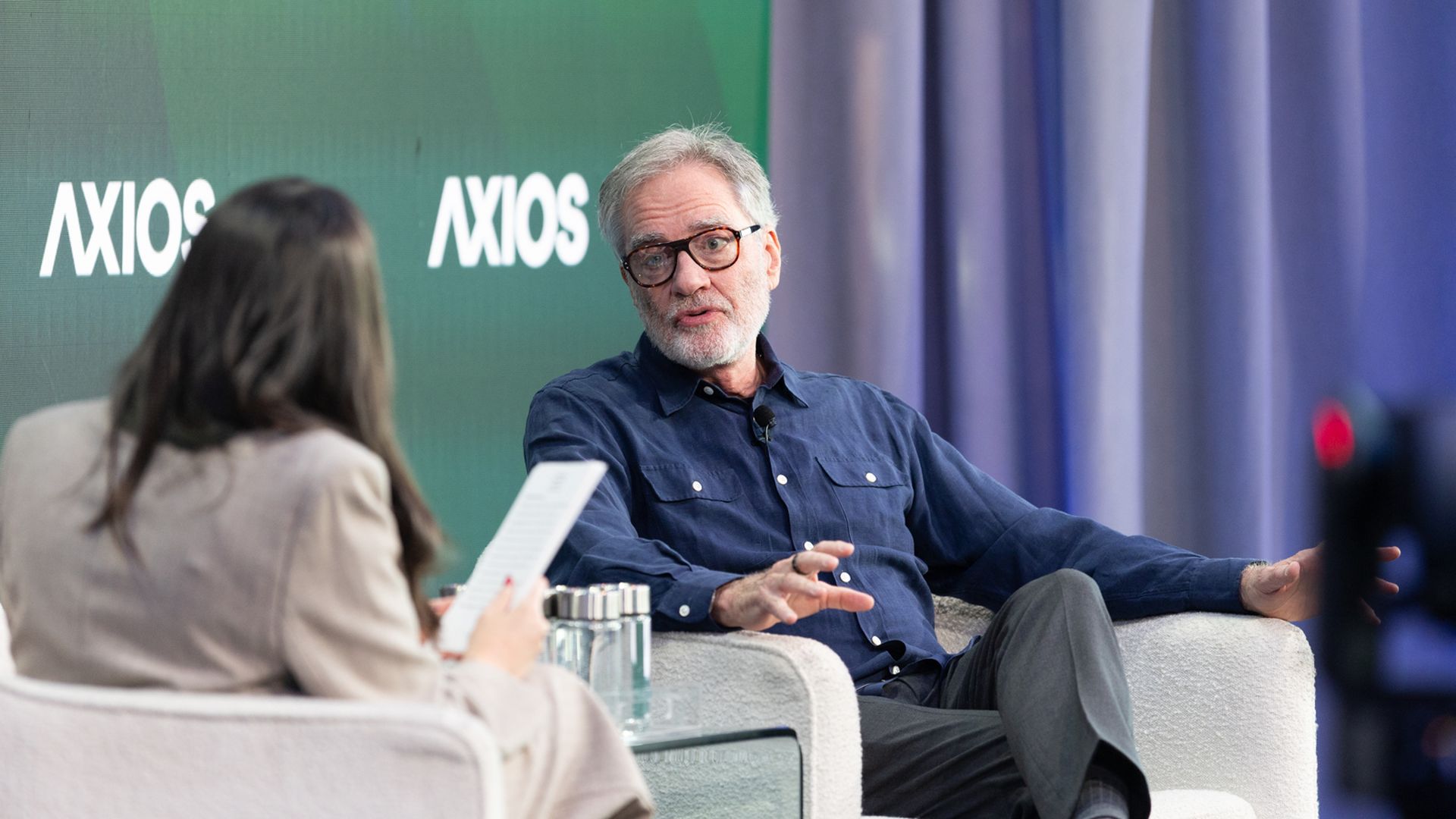
iHeartMedia CEO Bob Pittman is taking aim at some of the podcast industry's recent talent deals, suggesting rivals are paying more than they can earn back.
Why it matters: Competition for podcast talent is growing as audio companies and streaming platforms seek exclusive programming.
- iHeartMedia's podcast revenue grew 20.7% year over year to $162 million, the company reported for its second quarter of 2026.
What he's saying: Asked about SiriusXM's recent four-year agreement with "Giggly Squad" and iHeartMedia's approach to blockbuster podcast deals, Pittman said the company, which has roughly 800 podcasts in its portfolio, is unwilling to spend beyond what it believes a show can earn back.
- "We've had extraordinary discipline. ... We only want to do a deal where we can make money, and if the deal is throwing away crazy money, we don't believe in it," he said.
- Pittman described the industry's spending as the kind of "exuberance" that "always happens in every business."
Meanwhile, the competition for podcast audiences is expanding into video as YouTube and streaming platforms seek more programming.
- Pittman declined to comment on the stalled deal talks between SiriusXM and iHeartMedia, but said iHeartMedia is a unique asset with a portfolio of businesses that reinforce one another.
The bottom line: "If it can't work for us, it's a loss leader for whoever gets it," Pittman said, arguing that iHeartMedia's scale gives it an advantage in assessing deal economics.
9. 🍿 Anonymous Content CEO says firm is open to outside investment
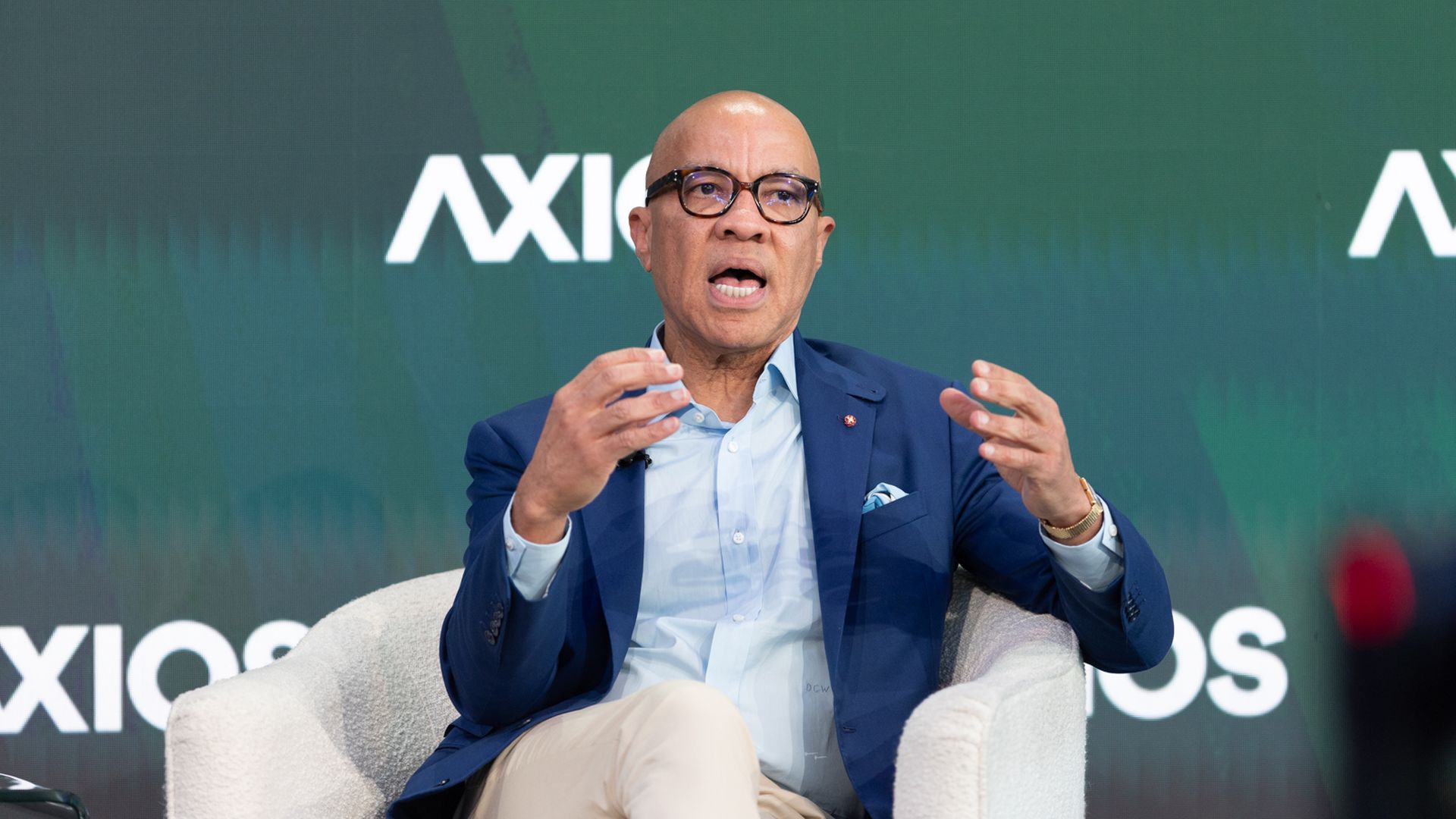
Anonymous Content, the independent production studio behind Oscar-winning hits like "Spotlight" and "The Revenant," is open to raising private capital from third-party investors, president and CEO Darren Walker told Axios.
Why it matters: New funding would expand its backing beyond its primary investor, Laurene Powell Jobs' Emerson Collective, and could empower it to better compete for premium projects as it expands internationally.
What he's saying: Asked whether Anonymous Content would consider outside investment, Walker said that there's "no doubt" the studio would be open to it.
- He said, however, "much of the capital in the market today, certainly in Hollywood, is private equity" and that kind of investor wouldn't be a candidate.
Zoom in: Walker explained that PE investors want to "get your money back and get that alpha return, and clients are happy and we get rich."
- But Anonymous and Emerson "have a very long-term strategy for capital renewal, for return on investment, and so our horizon is not the usual three- to five-year horizon," he said.
Catch up quick: Anonymous Content was founded in 1999 by the late Steve Golin, an acclaimed Hollywood producer.
- Emerson Collective first acquired a substantial minority stake in Anonymous Content in 2016 and has since become its controlling investor.
- Its financial commitment to Anonymous Content deepened when Walker became president and CEO. Powell Jobs has served on the Ford Foundation's board of trustees since 2021, and overlapped with Walker (the foundation's former CEO) there.
The big picture: Walker, who took over the studio in January, has outlined plans to double the company's European film productions, reflecting a broader push into global markets.
- Asked about efforts in the U.S. to create a federal film tax credit to keep production jobs in the country, Walker said: "They are a way toward getting the right incentive structure in place, but we've got to start somewhere."
10. 🎬 Hollywood feels like "Walmart"
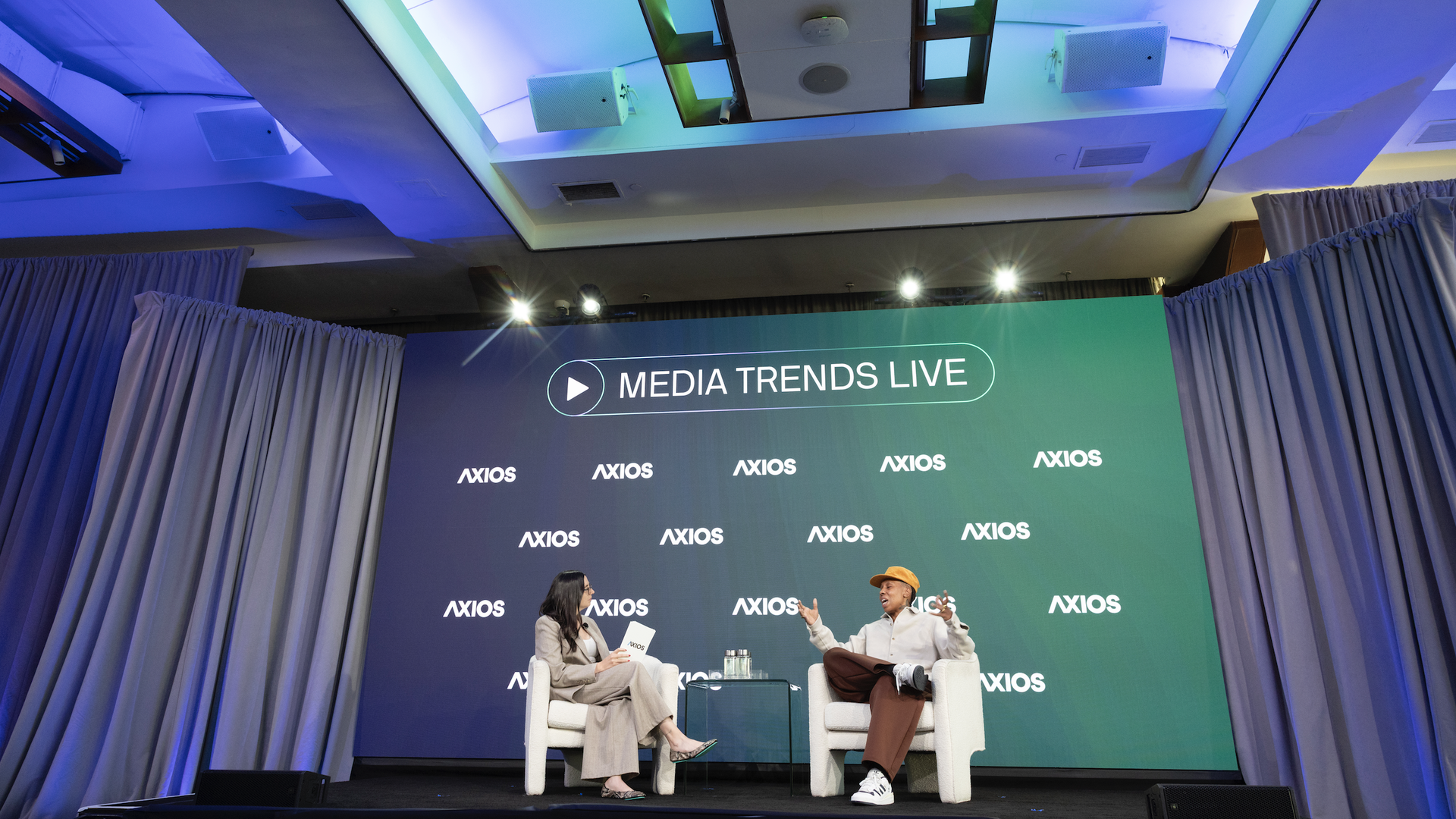
Actor, writer and producer Lena Waithe is questioning Hollywood's pursuit of mass-market entertainment amid consolidation that is leaving creators with fewer places to sell original projects.
Why it matters: Hollywood's retreat from the streaming-fueled content boom is forcing independent creators to rethink how they develop and distribute their work.
What she's saying: Asked about the new Skydance-led Paramount, where she spent eight seasons making "The Chi" for Showtime, Waithe offered a blunt assessment of the entertainment industry.
- "A lot of entertainment now feels like Walmart, feels like McDonald's," she said.
- Waithe said there are fewer places to pitch projects as Hollywood consolidates, and many studios have lost their distinctive identities.
- "The question becomes: 'Who do you even pitch an idea to? Who was this idea good for?' The truth is, it's really just a bunch of shooting in the dark and seeing what sticks," she said.
Sign up for Axios Media Trends

Sara Fischer’s inside look at the forces reshaping media.