SCOTUS rejects Trump's bid over disputed California ballots

Add Axios as your preferred source to
see more of our stories on Google.
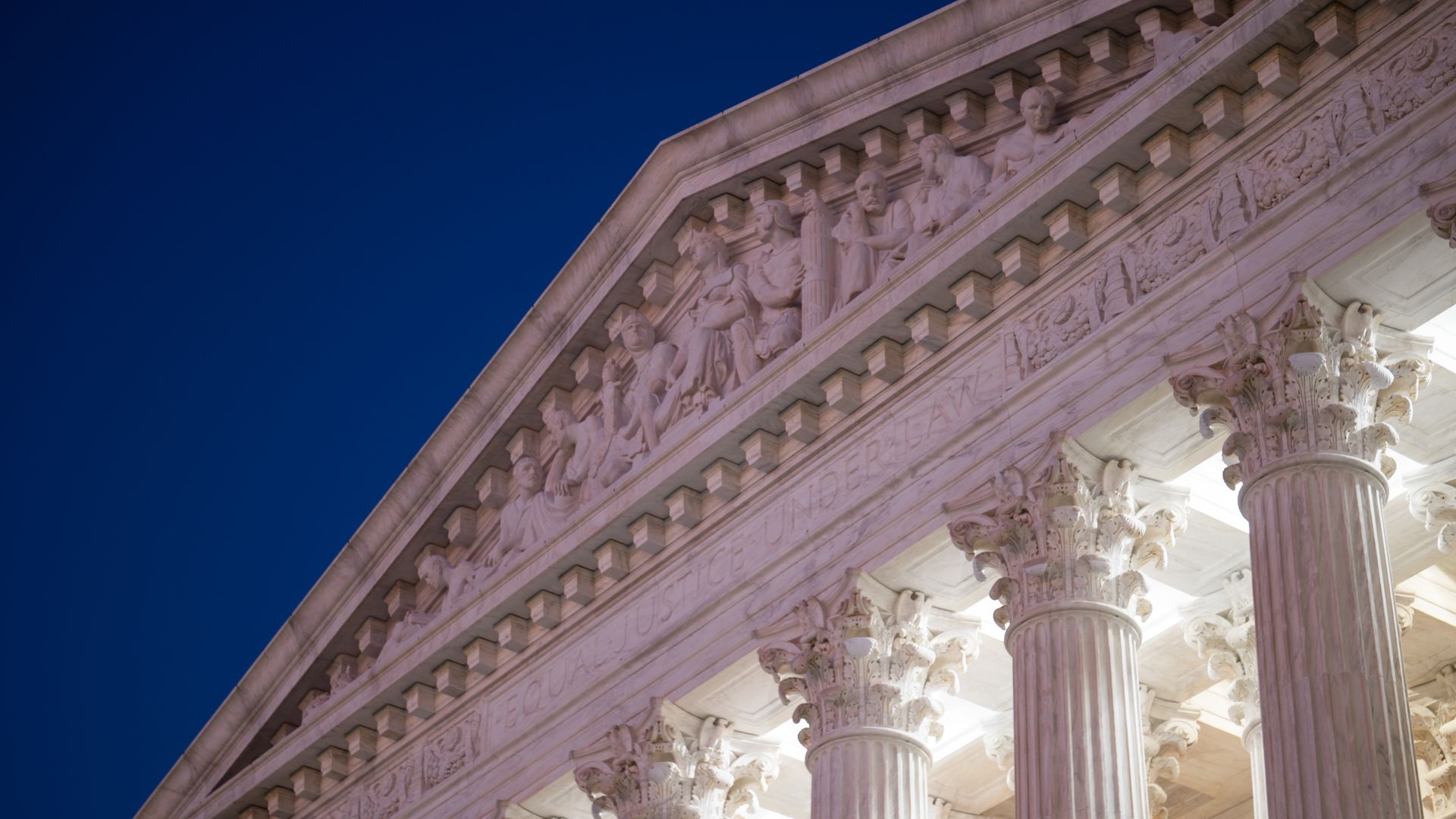
The US Supreme Court in Washington, D.C on Oct. 5, 2026. Photo: Craig Hudson/Bloomberg via Getty Images.
The Supreme Court denied the Trump administration's request Monday to hear its case regarding more than 20,000 California ballots that President Trump claims were cast by noncitizens.
Why it matters: It's a blow to the administration, which has been tussling with the state in what it says is a fight to ensure all eligible voters can vote and have their ballots counted, as the law requires.
Driving the news: "The application for injunction pending appeal presented to Justice Kagan and by her referred to the Court is denied," an unsigned order from the court read.
- A DOJ spokesperson said in a statement provided to Axios that "this is not the end of our efforts," noting it is "deploying election monitors in California and across the country to observe compliance with federal law, charging election fraudsters daily, and will pursue other legal avenues to ensure that only eligible American citizens vote."
- The White House referred Axios to the DOJ for comment.
Catch up quick: The Trump administration sued California in mid-October, arguing that it had identified more than 20,000 noncitizens on the state's voter rolls.
- Judges have consistently rejected the administration's argument, finding that its lists contain factual errors and risk disenfranchising eligible voters.
- One judge even noted that when the administration claimed it had specifically verified more than 100 people as noncitizens in Nevada, the state proved they were, in fact, citizens.
What they're saying: "While this fight is far from over, today's order means that millions of Californians can focus on the most important task at hand — casting their ballot," California Secretary of State Shirley Weber said in a statement.
Zoom out: The court has often sided with Trump, but has notably broken with him on cases involving voting access.
- The president has no constitutional authority over elections. That power largely rests with the states and Congress.
Go deeper: Trump administration turns to SCOTUS in California ballot case
Editor's note: This story has been updated with a statement from California's secretary of state.
