American Ksenia Karelina released in prisoner deal with Russia

Add Axios as your preferred source to
see more of our stories on Google.
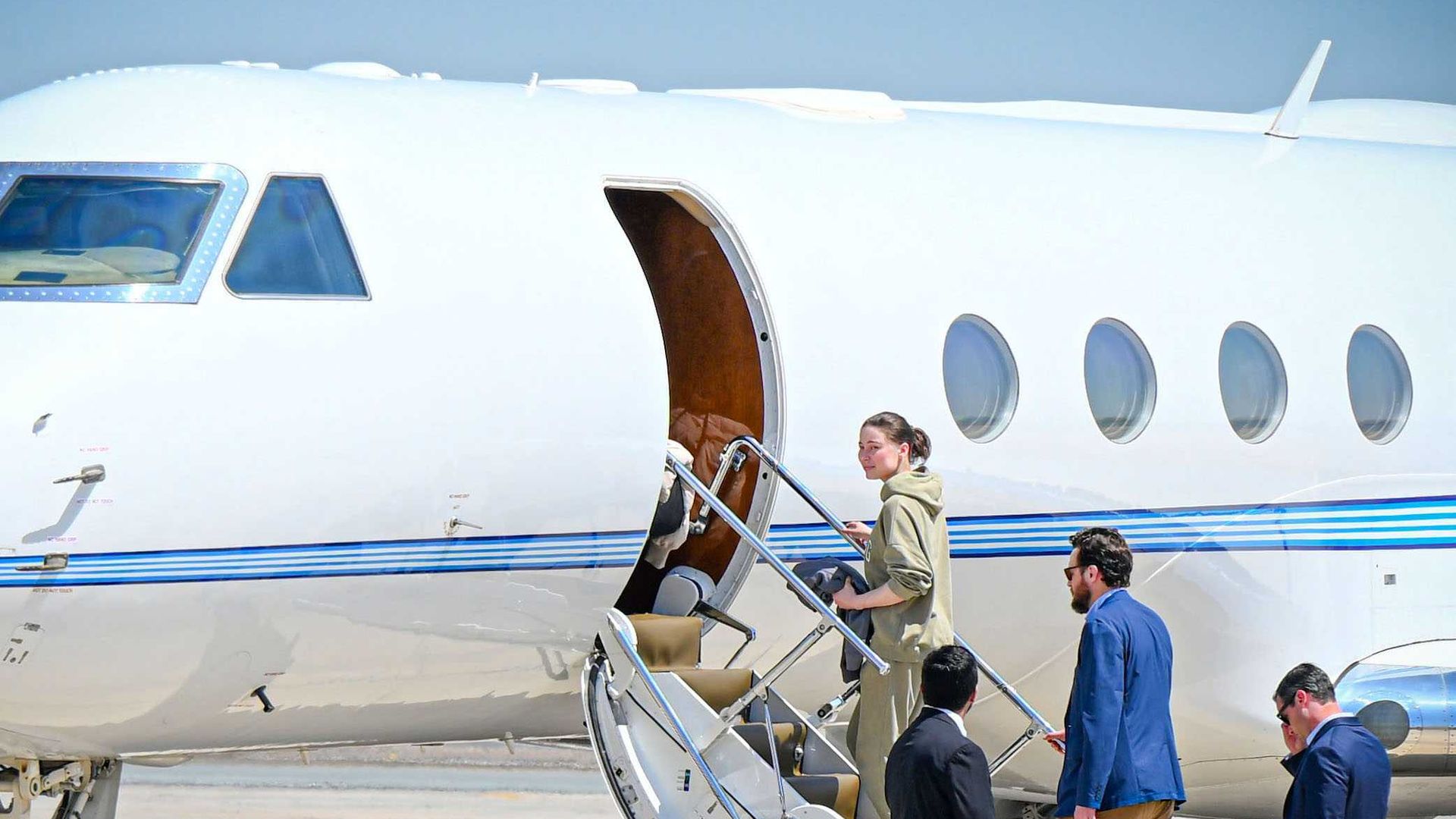
Ksenia Karelina, who had been detained in Russia since February 2024, boards a plane in Abu Dhabi after a prisoner swap that the Trump administration brokered with Moscow. Photo courtesy of the UAE government
Russia on Thursday released Ksenia Karelina, a dual Russian-American citizen, as part of a prisoner exchange deal with the U.S., Secretary of State Marco Rubio said in a statement.
Why it matters: This is the second major prisoner deal between the U.S. and Russia since President Trump took office.
- The swap comes as the Trump administration has prioritized improving relations with the Kremlin. On Thursday U.S. and Russian diplomats met again in Istanbul to discuss the normalization process.
What they are saying: "Ksenia Karelina is on a plane back home to the United States. She was wrongfully detained by Russia for over a year and President Trump secured her release," Rubio wrote on his X account.
- CIA Director John Ratcliffe said: "I'm proud of the CIA officers who worked tirelessly to support this effort, and we appreciate the Government of UAE for enabling the exchange."
- "While we are disappointed that other Americans remain wrongfully detained in Russia, we see this exchange as a positive step and will continue to work for their release," a CIA spokesperson said. "The exchange shows the importance of keeping lines of communication open with Russia, despite the deep challenges in our bilateral relationship."
Driving the news: Karelina was arrested by the Russian domestic security service in February 2024 while visiting her family in Russia.
- She was accused of treason after Russian agents found on her phone documents that showed she donated $50 to support humanitarian aid in Ukraine. She was sentenced to 12 years in prison last August.
- In return for her release, the U.S. released Arthur Petrov, a Russian-German national, who has been accused of exporting sensitives electronic components from the U.S. to the Russian military.
- Petrov was arrested in Cyprus in August 2023 at the request of the Biden administration and extradited to the U.S. to stand trial.
Behind the scenes: White House envoy Steve Witkoff raised Karelina's case in his meeting with Russian President Vladimir Putin last month, a U.S. official told Axios.
- "Witkoff told Putin to release Karelina as a sign of good will between the countries," the official said.
- After the Russians agreed in principle, the official said the CIA began negotiating the deal with Russian intelligence services.
- The Russians gave the U.S. a list of prisoners they want released and eventually picked Petrov, the U.S. official said.
- Earlier this month, the director of the CIA John Ratcliffe engaged directly with his Russian intelligence counterpart and they agreed on the exchange, a CIA official said.
- In recent days, President Trump's envoy for hostages, Adam Boehler, and his team at the State Department joined the efforts to finalize the negotiations and coordinate the exchange.
The U.S. and Russia agreed to use the United Arab Emirates as the venue for the prisoner exchange.
- The Emirati ambassador to the U.S., Yousef al-Otaiba, welcomed Karelina at the Abu Dhabi airport.
- The Emirati foreign ministry said that representatives from both countries attended the exchange.
The big picture: Thursday's swap is the second that the Trump admin has orchestrated with Moscow.
- In February, it swapped Alexander Vinnik, the Russian co-founder of a bitcoin exchange, to secure the freedom of American teacher Marc Fogel.
- Trump celebrated that exchange as a "fair deal" after panning Biden-era prisoner exchanges with Russia as imbalanced or otherwise poorly negotiated.
Go deeper: What's behind Trump's views on Ukraine and Russia
Editor's note: This story was updated with a new photo and additional reporting.
