OpenAI says DeepSeek may have "inappropriately" used its models' output

Add Axios as your preferred source to
see more of our stories on Google.
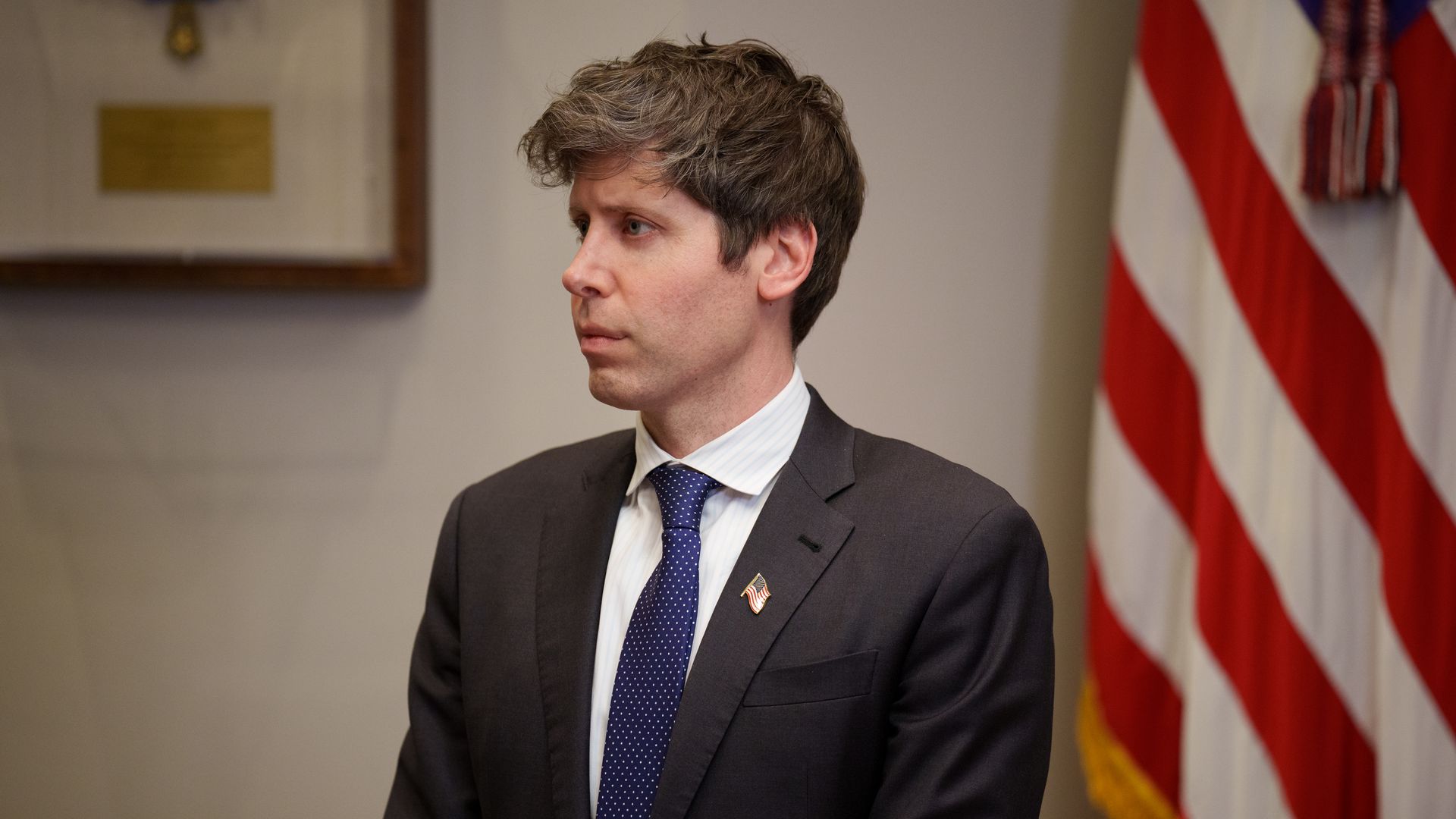
OpenAI CEO Sam Altman. Photo: Andrew Harnik/Getty Images
OpenAI said on Wednesday that Chinese AI startup DeepSeek's open-source models may have "inappropriately" based its work on the output of OpenAI's models, an OpenAI spokesperson told Axios.
Why it matters: China's DeepSeek has taken the AI industry by storm with its R1 reasoning model that competes with OpenAI's o1, but at what the company says is a fraction of the cost and with fewer resources.
Driving the news: OpenAI told Axios that it had seen some evidence of "distillation" from groups based in China to try to replicate advanced U.S. AI models.
- "We are aware of and reviewing indications that DeepSeek may have inappropriately distilled our models, and will share information as we know more," an OpenAI spokesperson said.
- "We take aggressive, proactive countermeasures to protect our technology and will continue working closely with the U.S. government to protect the most capable models being built here," the spokesperson added.
Zoom in: Distillation is a common technique developers use to train smaller AI models to replicate the performance of larger, more complex models by training the smaller models on the output of the larger models.
- Developers can use distillation legitimately to improve their own applications, but OpenAI's terms of use forbid users from using outputs from its models to develop other AI models that compete with the company's products and services.
What they're saying: President Trump's AI czar David Sacks said in an interview with Fox News on Tuesday that "it is possible" that intellectual property theft had occurred.
- "There's substantial evidence that what DeepSeek did here is they distilled knowledge out of OpenAI models and I don't think OpenAI is very happy about this," he said.
- "I think one of the things you're going to see over the next few months is our leading AI companies taking steps to try and prevent distillation … that would definitely slow down some of these copycat models," he added.
Between the lines: AI makers have long been dogged by controversies over their use of "publicly available" data to train their models.
- OpenAI has been sued by The New York Times and other news publishers and creators over claims that the AI maker infringed copyrights in training its models without permission or payment.
Catch up quick: DeepSeek helped wipe out nearly $600 billion in market cap for Nvidia Monday, as its cost-effective AI approach sparked fears that it could reduce the reliance on Nvidia's advanced chips.
Go deeper: Altman calls DeepSeek's R1 "impressive" and promises better models
