In consumer hardware, niche is the new mainstream

Add Axios as your preferred source to
see more of our stories on Google.
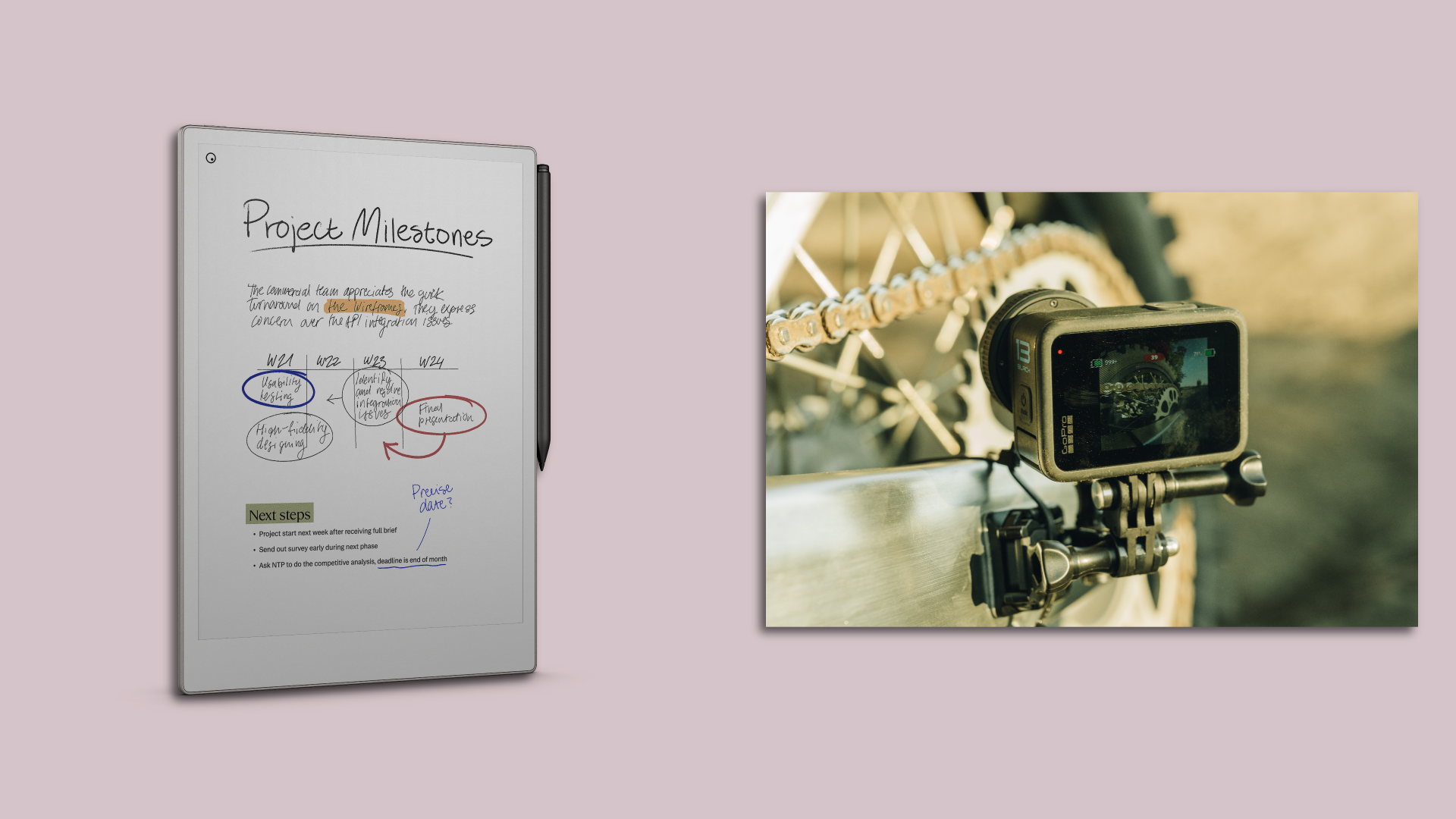
ReMarkable's Paper Pro tablet (left) and the GoPro 13 Black (right). Images: ReMarkable, GoPro
A pair of devices launching Wednesday highlight a growing trend in consumer hardware: doing one thing well.
Why it matters: The smartphone rendered many formerly standalone devices obsolete, but now some tech with a single purpose can offer an experience that a digital Swiss Army knife can't.
Between the lines: GoPro announced its latest cameras on Wednesday. The $199 GoPro Hero is a smaller, simpler camera that presents fewer controls, while this year's flagship — the $399 Hero 13 Black — supports a series of add-on lenses without losing its core as a rugged, waterproof action camera.
- Meanwhile, the reMarkable tablet company is adding its first color model. ReMarkable's tablets allow creators to write and sketch without the distractions of more full-featured devices.
- ReMarkable's paper tablets are similar to Amazon's Kindle Scribe, but with a focus on creating and editing documents rather than reading digital books.
- In addition to adding color — the most requested feature — the Paper Pro has built-in illumination, a larger eInk display and an active digital pen, which allows digital ink to appear on the display within an imperceptible 12 milliseconds.
- The new Paper Pro ($579 or $629, depending on which pen is bundled) is still aimed at those who want to avoid notifications rather than those who want to multitask.
The big picture: Both companies are trying to lean into the value of focus. Asked how reMarkable is making use of generative AI, CEO Phil Hess answered bluntly: not at all.
- Instead, it's trying to give human beings more space to think.
What's next: The next crop of single-purpose devices may have generative AI at their core.
- Already there have been efforts including Humane's AI Pin, along with devices from Rabbit and others.
- However, these early products haven't been able to pass that key hurdle: proving they can do something that a smartphone can't do better, and often at no added cost.
