On eve of Juneteenth, exploring a personal connection

Add Axios as your preferred source to
see more of our stories on Google.
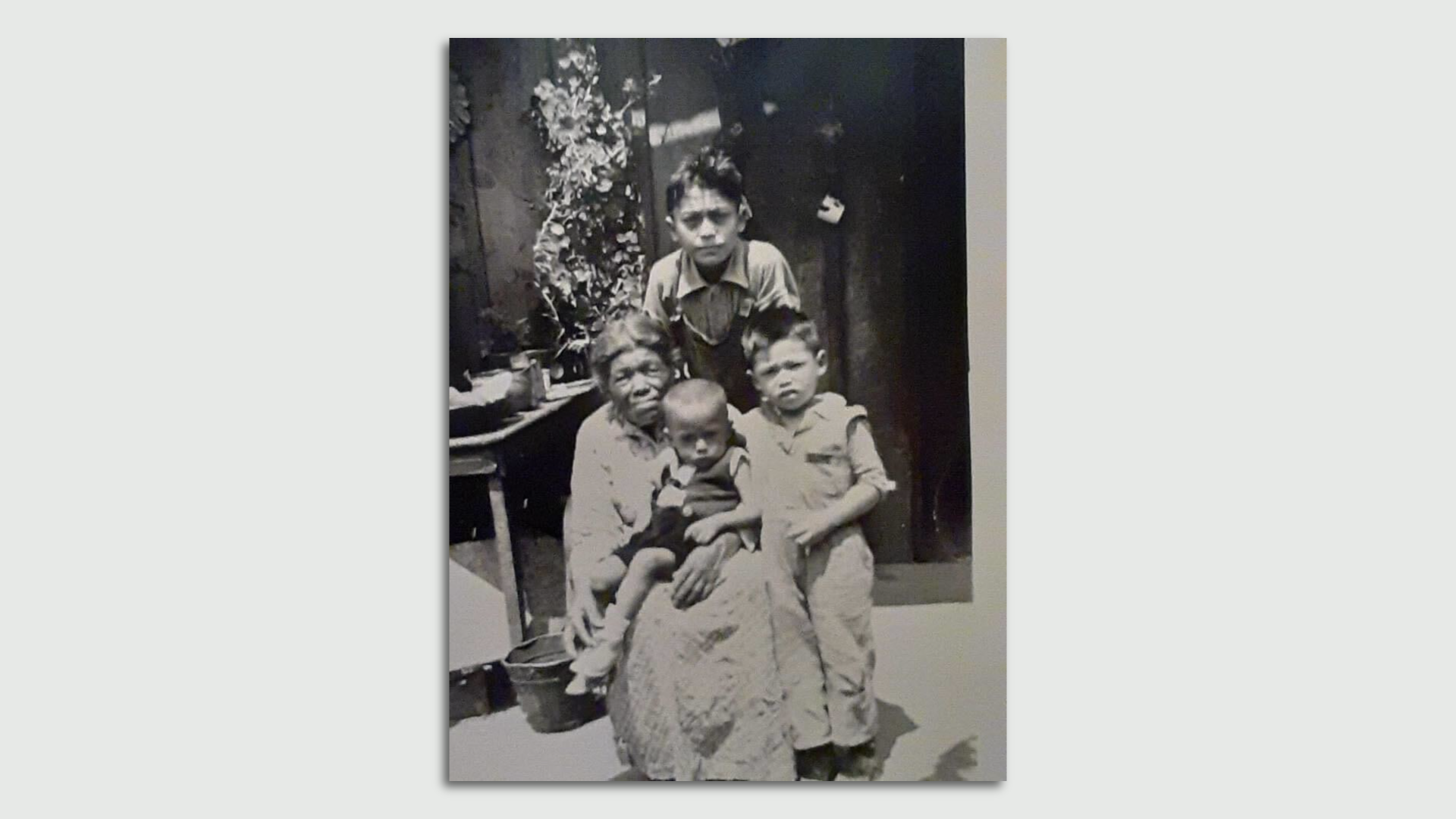
Francisca Martinez with her three grandchildren in the 1920s or early 1930s. Photo: Courtesy of the Contreras Family
My great-great-grandmother, Francisca Martinez, was a woman of mystery who may have been born to parents who escaped slavery.
The big picture: An unknown number of Mexican Americans are the descendants of fugitive enslaved people who went south of the border for freedom. As we approach Juneteenth on Wednesday, I am thinking about how I am likely one of them.
- Juneteenth commemorates June 19, 1865 — the day Union Maj. Gen. Gordon Granger rode into Galveston, Texas, with word that the Emancipation Proclamation had been signed by President Abraham Lincoln more than two years before.
- But before then, thousands of Black people fled slavery through what's known as the Underground Railroad to Mexico. I believe my ancestors were some of them.
Zoom in: Francisca Martinez was born either in Monclova, Mexico — a stop on the Underground Railroad to Mexico — or in San Luis Potosí. It was common back then to have conflicting documents.
- According to Spanish-language documents I found on ancestry.com, Francisca's parents were in hiding, though the documents didn't say why.
- Names could have been changed, and family history could have been lost as they potentially tried to reinvent themselves to avoid being recaptured by mobs.
- Francisca was 4 years old and living in Mexico when the order to free enslaved people arrived in Texas.
Francisca's son, Florencio Contreras (my great-grandfather), came to the U.S. from Mexico in the early 1900s and first settled in Houston's Acres Homes — a historic Black area.
- He eventually settled near Houston's Freedmen's Town, a neighborhood founded by emancipated enslaved people after the Civil War.
My oldest living cousin, Roland Contreras, remembers Florencio calling himself a "mulatto."
- My late Uncle Alfred Gonzales (on my mom's side) recalls customers calling Florencio by Black racial epithets.
- Florencio played the fiddle (which most Mexicans don't), was 6'2'' (above average for many Mexicans) and kept many secrets.
Zoom out: In September 2020, I wrote a story about the Underground Railroad to Mexico for The Associated Press, my former employer.
- After the story, I wanted to know if my Mexican American family had helped people on the path to freedom.
- I didn't find that out, but did learn that my ancestors may have actually used the Underground Railroad to Mexico to escape slavery.
- I'll never know for sure because many documents tracing the history did not survive or can't be found.
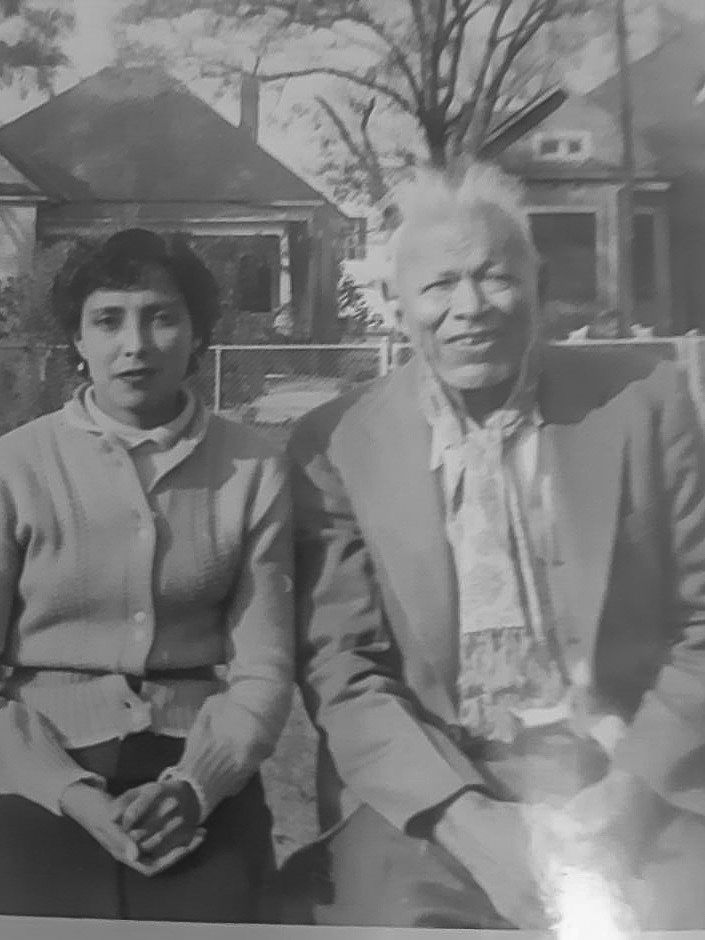
Looking back, I see that there has always been something inside of me I couldn't explain.
- Parades, speeches and songs invoke something within as if I were searching for home.
- Staring at the one photo of Francisca Martinez that survives today, I wonder if she, too, was searching for home, or she was just doing what she had to do in secret so that her descendants decades later could find it for her in public.
Subscribe to Axios Latino to get vital news about Latinos and Latin America, delivered to your inbox on Tuesdays and Thursdays.
