Tackling enslavement's legacy and Juneteenth through allyship

Add Axios as your preferred source to
see more of our stories on Google.
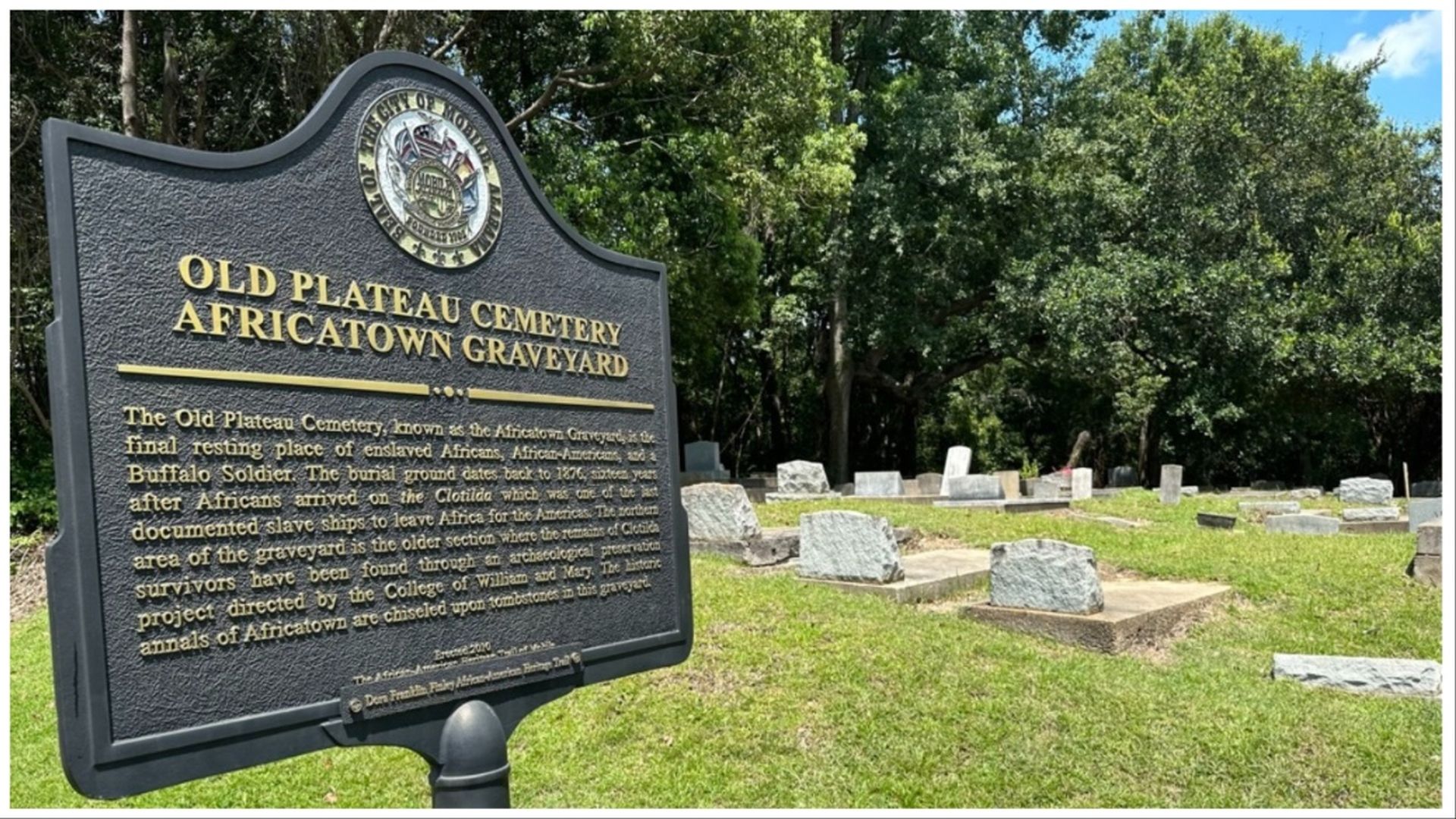
The Old Plateau Cemetery, the resting place for some of the original enslaved people of the last known U.S. slave ship from Africa, in Africatown in Mobile, Alabama in August 2023. Photo: Russell Contreras/Axios
A new book, authored by a CNBC editor and her teenage daughter, seeks to show the legacy of enslavement through four families and how it is entrenched in the nation's past.
The big picture: "Embracing Your Past to Empower Your Future: Four Families Descended from Slaves Reflect on Stories of Strength, Love and Gratitude" is the latest book to urge Americans to reexamine enslavement following the nation's racial awakening.
Zoom in: The book came after a trip by CNBC Business News Senior Editor of Guests Lori Ann LaRocco and her daughter, Abby Wallace, to the homes of George Washington, James Madison and Thomas Jefferson.
- LaRocco tells Axios they were both struck by seeing the fingerprints of enslaved people on the bricks of the homes.
- "When you see my daughter's finger next to the fingerprint of the child, it really left us gobsmacked," LaRocco said. "We asked ourselves: 'Who were these people?' It led to this amazing three-year project."
- The pair visited sites linked to enslavement, talked to descendants and combed archives to put pieces of stories together.
Context: The project came a year after the murder of George Floyd and as the country was reopening following the pandemic.
- The book follows descendants of the Clotilda, the last known U.S. slave ship to bring captives from Africa, and the Quanders, one of the oldest Black American families in the U.S. who can trace their heritage to the 1600s.
- LaRocco, the descendant of Italian immigrants, said that the journey of reopening was a metaphor for them to revisit the nation and do their part to confront the legacy of enslavement.
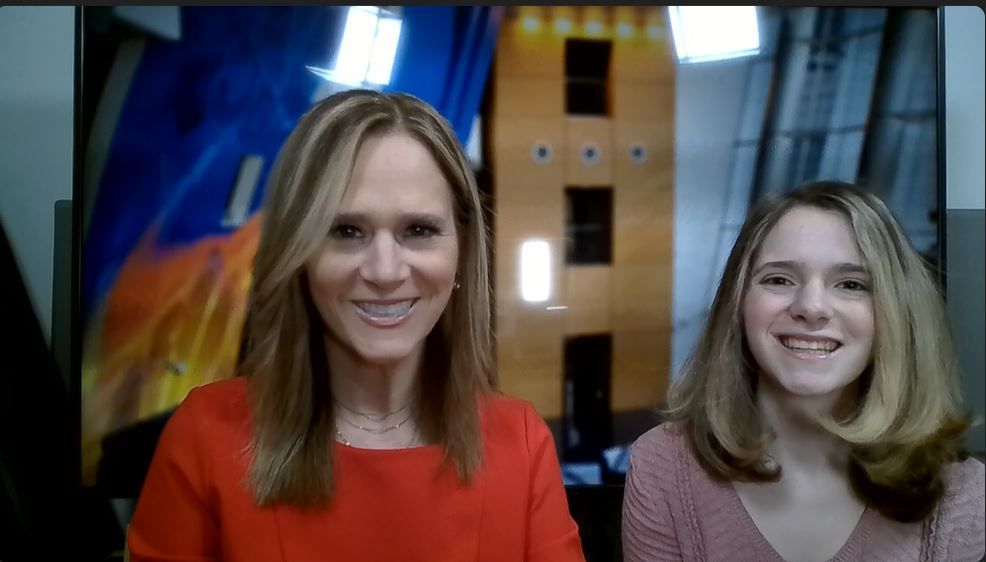
Yes, but: The mother-daughter pair did face some resistance and were accused of being "carpetbaggers."
- LaRocco said some critics said the stories of Black people needed to be "sold, not told."
- "No, I'm a champion of telling the stories of the untold," said LaRocco, who started a nonprofit for the proceeds from the book sales.
The intrigue: The new nonprofit, Embracing Your Past to Empower Your Future, Inc., seeks to help other descendants of enslavement tell their stories.
- It also funds a college book stipend for descendants of enslaved people.
Vernetta Henson, the great-great-granddaughter of Clotilda survivors and Africatown co-founders Pollee and Rose Allen, is the inspiration behind the name of the book stipend.
- She shared with the writers family photos, documents and stories of survival in Africantown, even giving a glimpse of how the city of Mobile tried to grab parts of the community.
- "I came up in a society where everybody on the street was your friend, your neighbor, your parent," she says in the book.
- Her stories were similar to those told to Axios by Africatown descendant Joycelyn Davis last year.
Between the lines: The story of enslavement and the Juneteenth holiday isn't just for Black Americans but for all Americans to explore, Jesse Holland, associate director at The George Washington University's School of Media and Public Affairs, tells Axios.
- Writers who tackle projects like this book are opening themselves up and willing to show empathy for their fellow Americans, which is needed to understand the past, he said.
Fun fact: Co-writer Abby Wallace just finished high school and will attend Clarkston University in the fall, majoring in Psychology.
- "I want people of my generation to actually take the time to listen to their elders and hear the stories that they have to say," she told Axios in a statement. "For when we listen to and learn from our past, we can change our future."
Go deeper: Film explores descendants of last known U.S. slave ship
