California officials warn toxic algae making sea lions aggressive

Add Axios as your preferred source to
see more of our stories on Google.
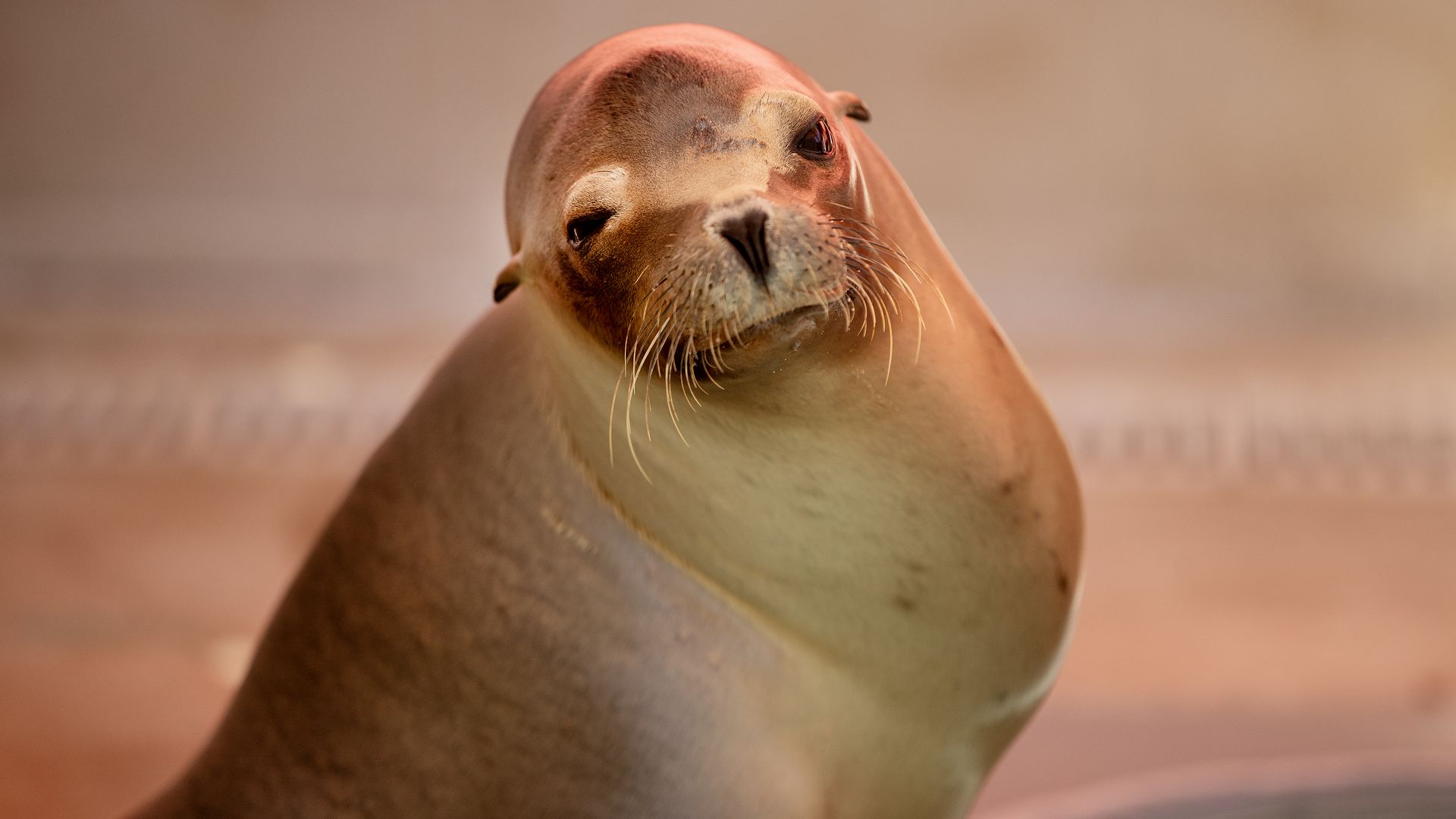
A sea lion showing signs of effects from toxic algae blooms recovering at the Pacific Marine Mammal Center in Laguna Beach, California, on June 20. Photo: Allen J. Schaben/Los Angeles Times via Getty Images
California officials and wildlife experts are urging beachgoers over the extended Fourth of July holiday weekend to be alert to sick sea lions displaying unusually aggressive behavior towards people.
Driving the news: Channel Islands Marine & Wildlife Institute (CIMWI) executive director Sam Dover told Axios seven sea lions that had fallen ill to neurotoxins from offshore algae blooms had bitten three beachgoers, two surfers, one paddle boarder and a diver as of Saturday.
- "There have also been several bites in Los Angeles County as well," Dover said in an email, as officials braced for an influx of beachgoers over the July Fourth weekend during California's first major heat wave of 2023.
- Orange County Parks officials placed signs at Salt Creek and Strands beaches last week after two people were injured by sea lions affected by domoic acid from the blooms, per NBC News.
The big picture: Hundreds of sea lions have been washing up sick or dead from the blooms on beaches in Central and Southern California since May.
- Marine Mammal Care Center CEO John Warner said last week that while naturally occurring harmful algal bloom (HAB) events are nothing new, the nonprofit rescue organization was responding to "an unprecedented number of animals" falling ill this year.
What to expect: Marine Mammal Center spokesperson Giancarlo Rulli told Axios in an email that sea lions can display a variety of behaviors when impacted by domoic acid poisoning.
- This includes "lethargy, disorientation, unpredictable and/or aggressive behavior."
- Rulli said it's important that people keep a safe distance of at least 50 yards from any sea lion, whether or not it's impacted by the disease, and they should not intervene with the animal.
- "It's critical that beachgoers instead check who your local wildlife first responder is (dependent on what county), call to report, and let the trained experts determine whether a response is necessary," Rulli added.
Context: "Climate change and a rise of nutrient pollution are environmental circumstances that are potentially causing HABs to occur more often and in locations not previously affected," per the CIMWI.
- "El Niño brings warm water conditions that can promote higher toxic algae blooms."
Between the lines: Demoic acid "accumulates in small fish, like sardines and anchovies, which are then eaten by sea lions in large quantities," per Rulli.
- "Domoic acid attacks the brain and the heart causing seizures and heart failure. If left untreated, it usually causes permanent brain damage," he said.
- "The toxin will naturally flush from an animal’s system over time, but sea lions repeatedly exposed to the toxin will suffer longer-lasting and more serious effects," Rulli added.
- "If these animals come into care before significant damage occurs, experts are often able to help flush the toxin from their systems by giving them fluids," fish that are free of domoic acid and anti-seizure medications, according to Rulli.
