"Unprecedented" number of sick sea lions washing up on California beaches

Add Axios as your preferred source to
see more of our stories on Google.
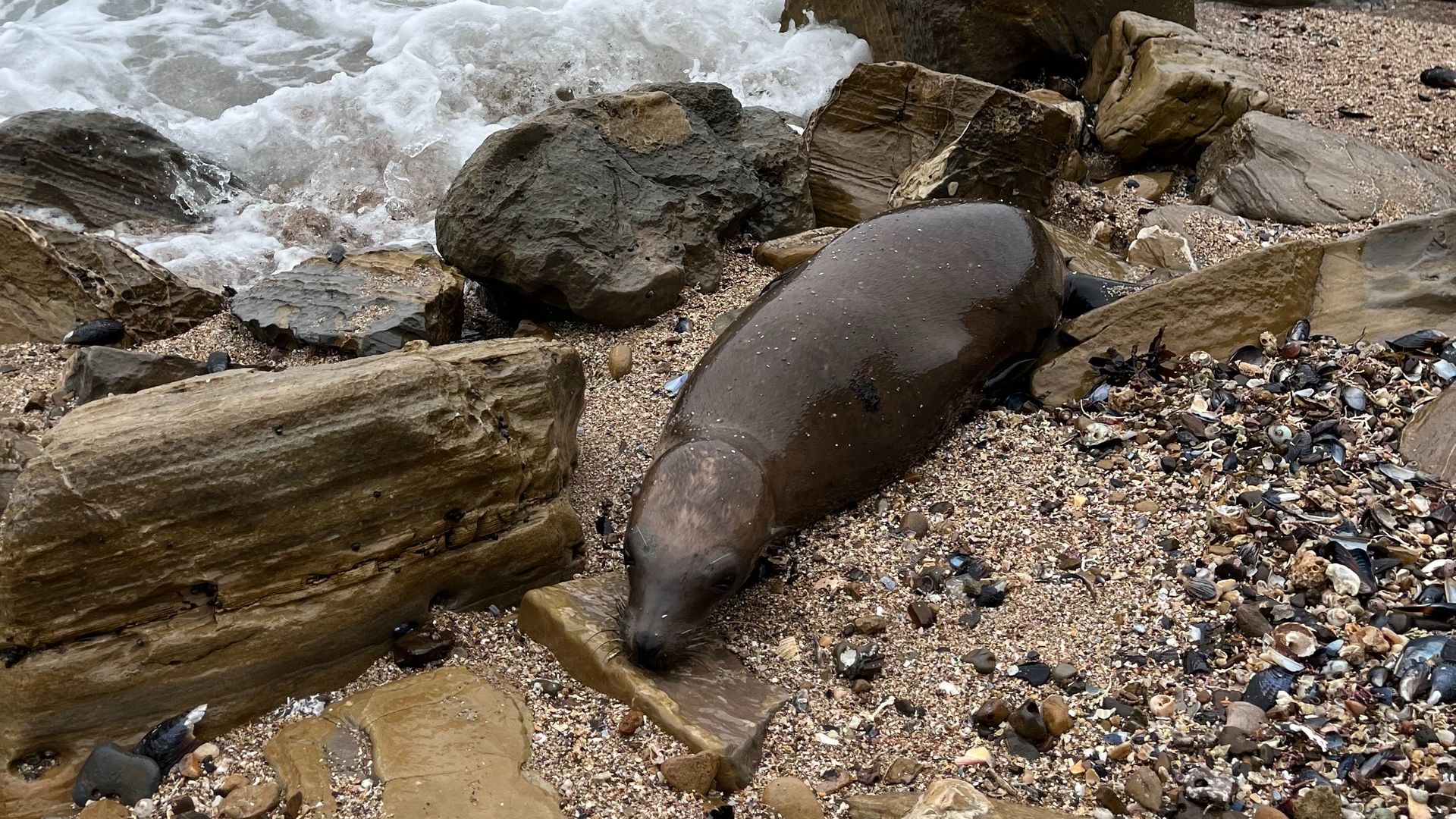
A sea lion on a beach near the Marine Mammal Care Center in San Pedro, California. Photo: Los Angeles Unified School District
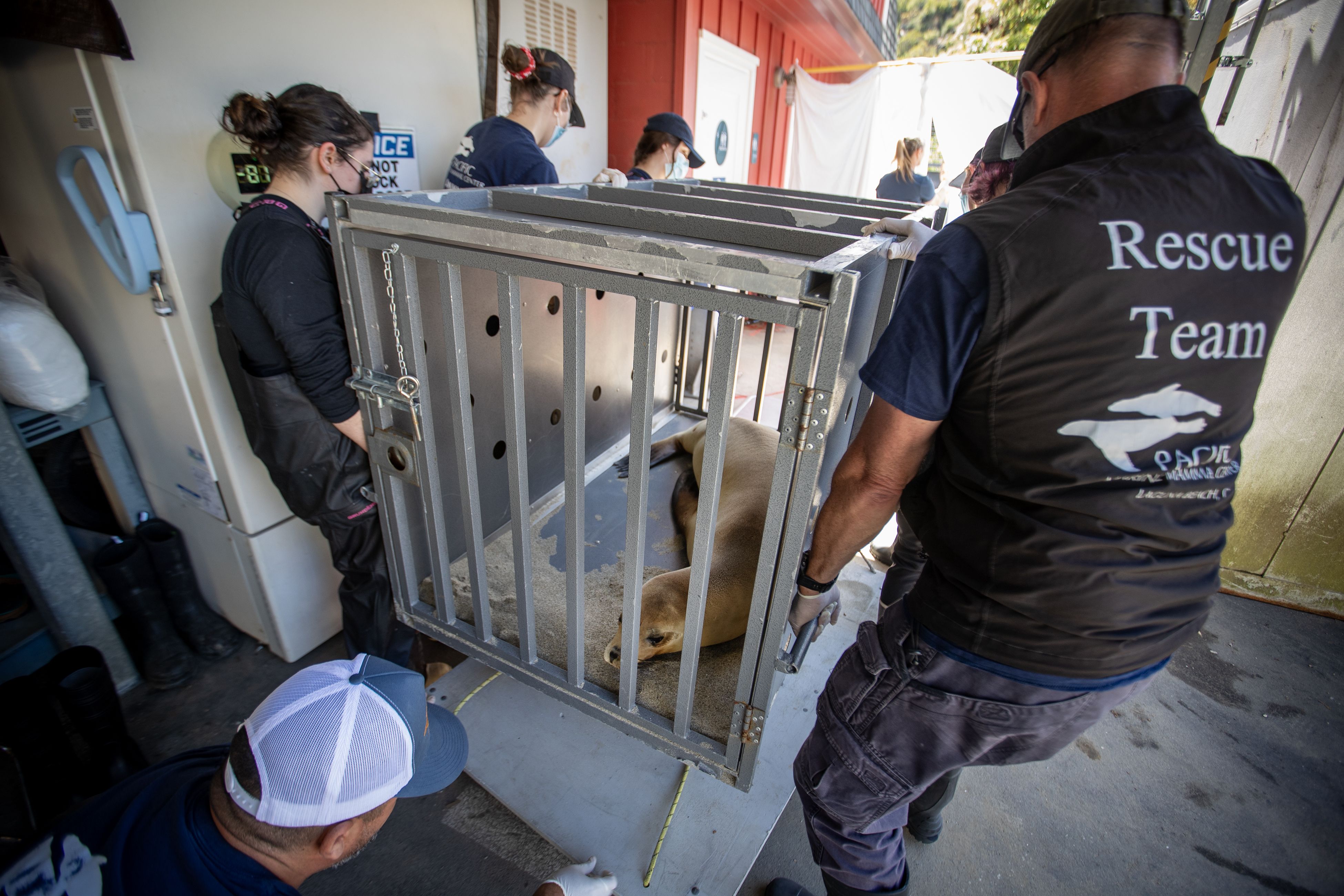
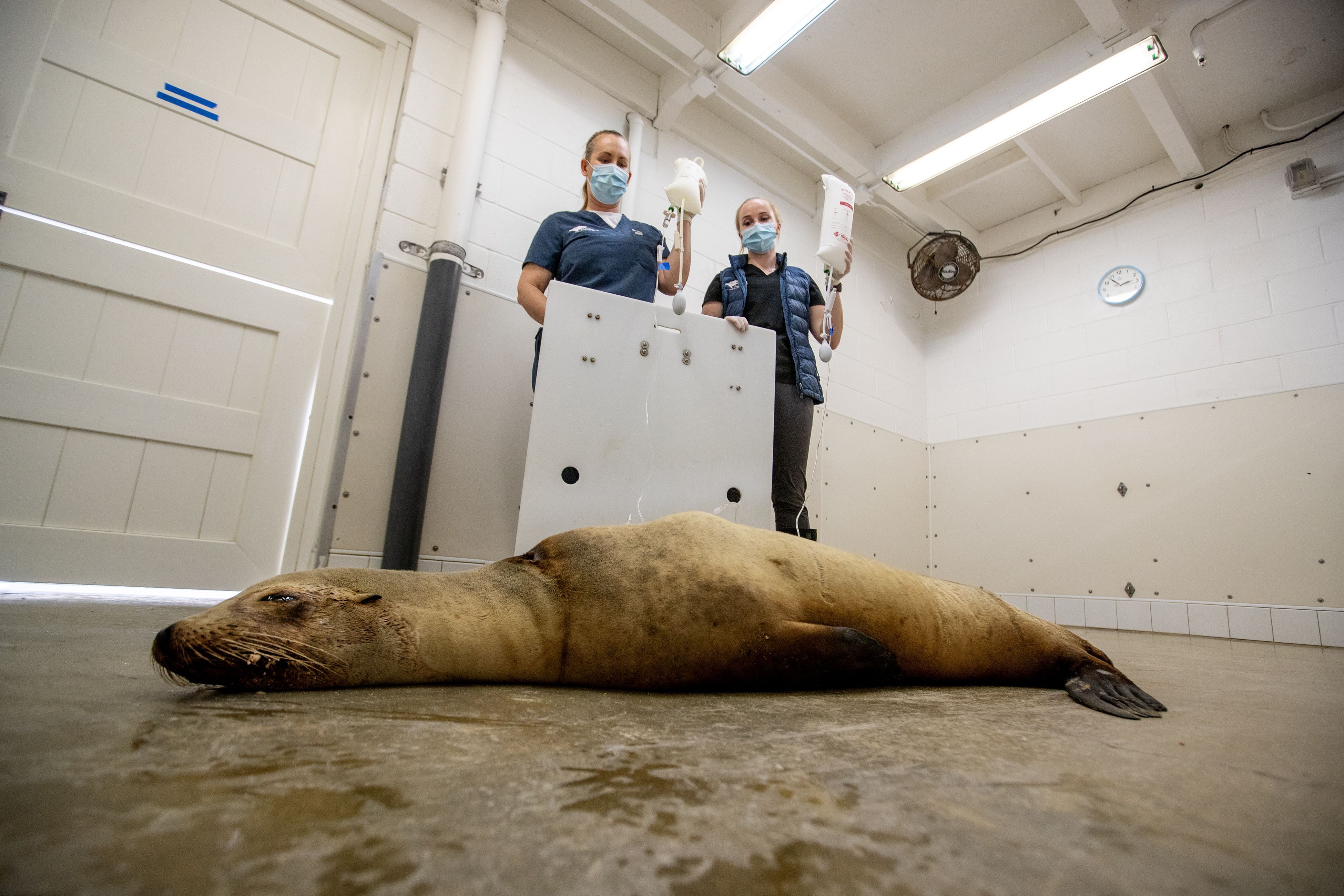
Hundreds of sea lions and dolphins are washing up dead or sick on California beaches due to a toxic offshore algae blooms, officials warn.
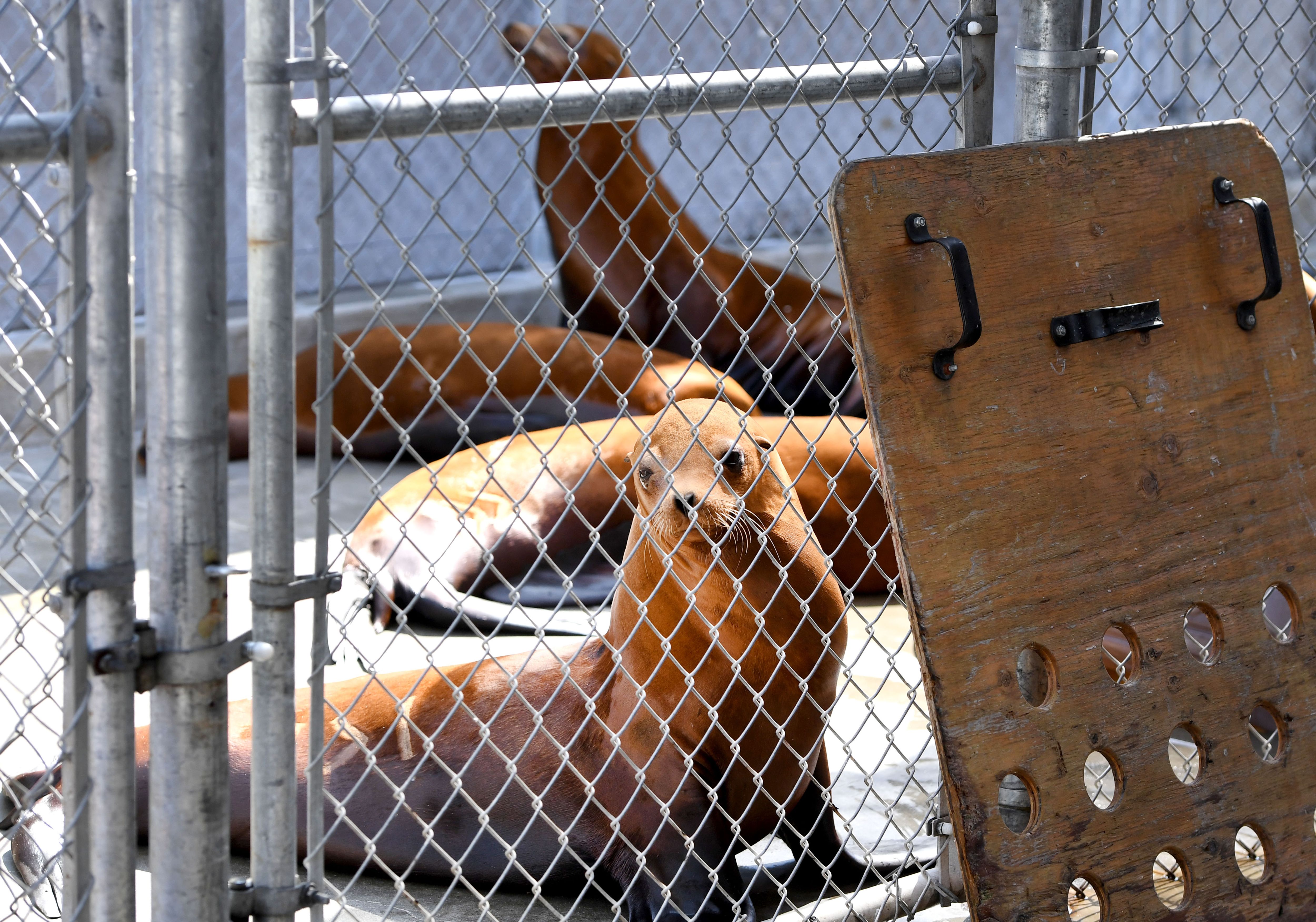
Driving the news: The Marine Mammal Care Center, which serves Los Angeles County, is at full capacity as the nonprofit rescue organization responds to "an unprecedented number of animals" falling ill to a neurotoxin from the bloom, CEO John Warner said at a news conference Tuesday.
State of play: The National Oceanic and Atmospheric Administration reports there were more than 1,000 reports of sick and dead marine mammals from June 8 through June 14.
- The Channel Islands Marine & Wildlife Institute, which serves Santa Barbara and Ventura counties, estimates it's responded to 250 to 350 reports per day of animals affected by domoic acid, a naturally occurring toxin that certain types of algae produce that can kill animals and even humans if consumed in high quantities.
- "What makes the situation unique" is that many of the animals are washing up on popular beaches, like Venice Beach and at Santa Monica Pier, "and they're seizing, foaming at the mouth or completely unresponsive ... thrashed around in the water line," Warner said. "That's something people don't see on a regular basis."
- Wildlife teams began to see high numbers of sea lions with demoic acid in the first week of June following "a large stranding event in Santa Barbara in Central California and within two weeks our hospital here was at maximum capacity," per Warner.
Zoom out: Naturally occurring harmful algal bloom (HAB) events are nothing new.
- However, “the levels of concentration are greater than they ever have been because of warming ocean temperatures — this is all climate change-related — the runoff from our rivers and agricultural fertilizers into the water creates a perfect storm for these events to continue to get bigger and bigger and more severe," Warner said.
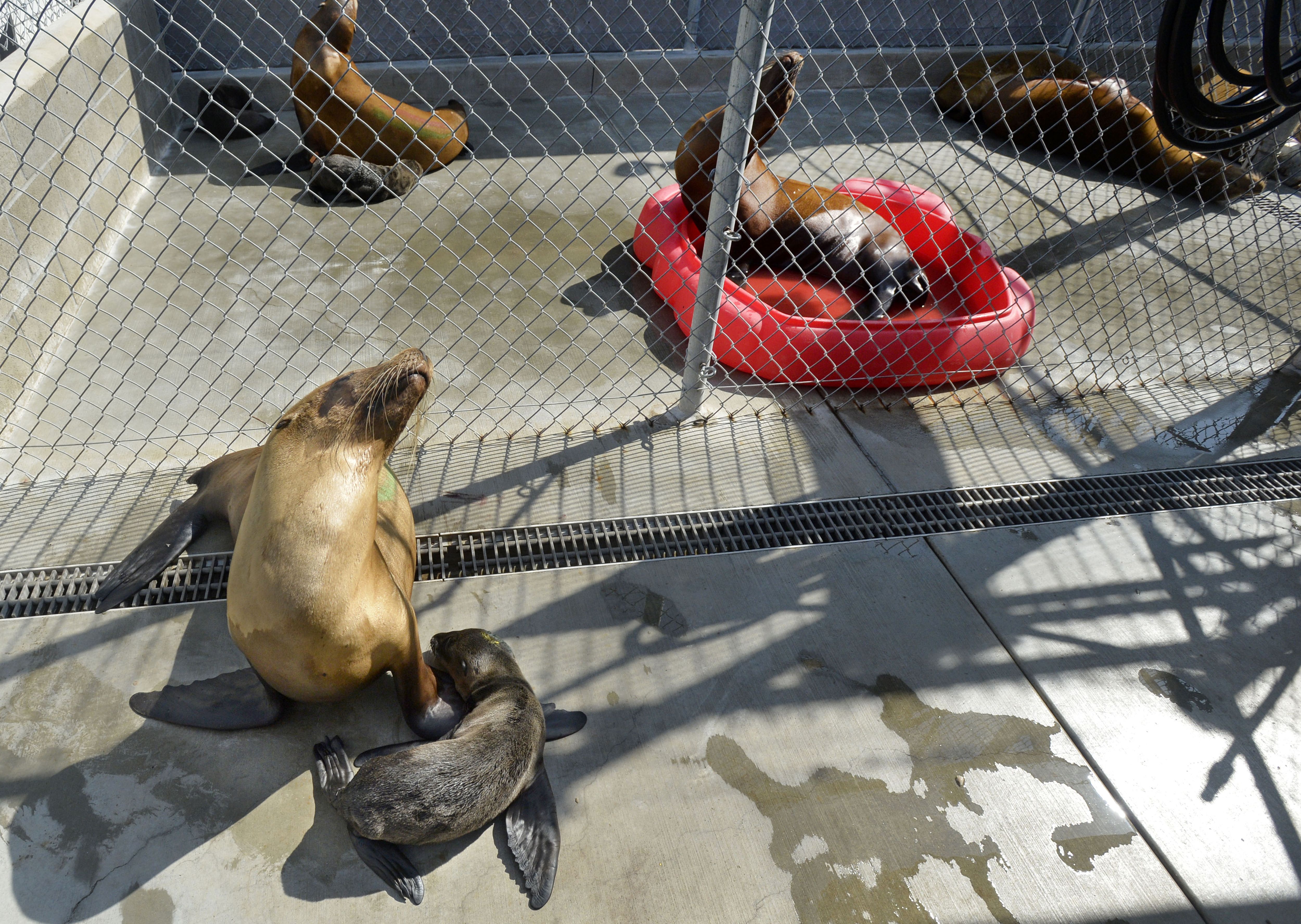
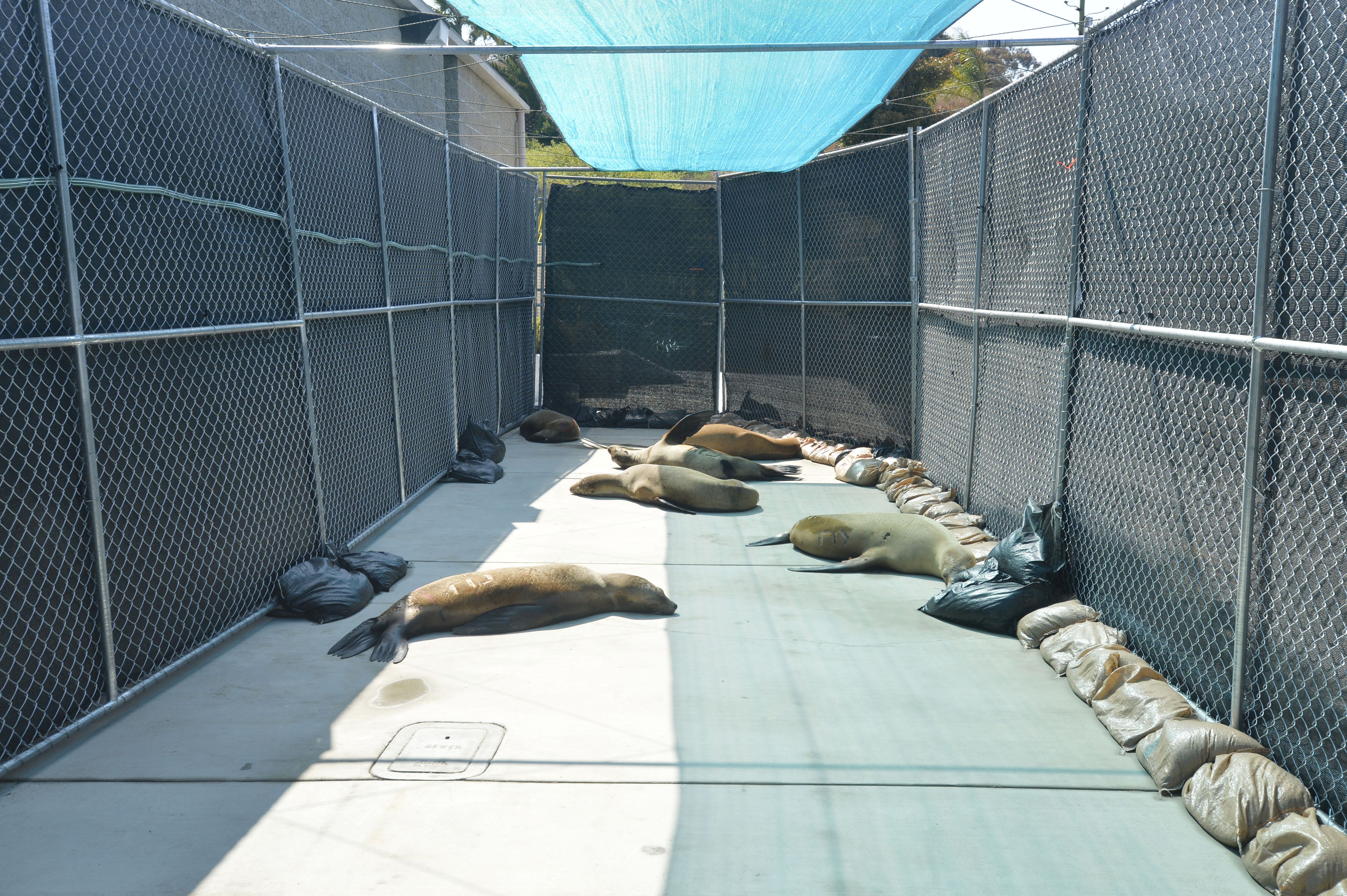
- The Los Angeles Unified School District announced Tuesday it's helping the Marine Mammal Care Center with a temporary outdoor space at a local school that'll enable wildlife teams to help 20 sick sea lions at a time.
- In terms of marine mammal strandings, this has been the "most significant HAB event" in the past decade, said Justin Viezbicke, NOAA's California stranding coordinator, in an emailed statement.
Between the lines: "The frequency and severity of harmful algal bloom events along Southern California's coast has been increasing in recent decades," per the Channel Islands Marine & Wildlife Institute.
- "Climate change and rise of nutrient pollution are environmental circumstances that are potentially causing HABs to occur more often and in locations not previously affected," according to the institute.
- "El Niño brings warm water conditions that can promote higher toxic algae blooms."
The bottom line, via Warner: "Everyone assumes this is going to be a new norm, not a one-off."
In photos: Race to save California's sick sea lions
Editor's note: This article has been updated with more photos.
