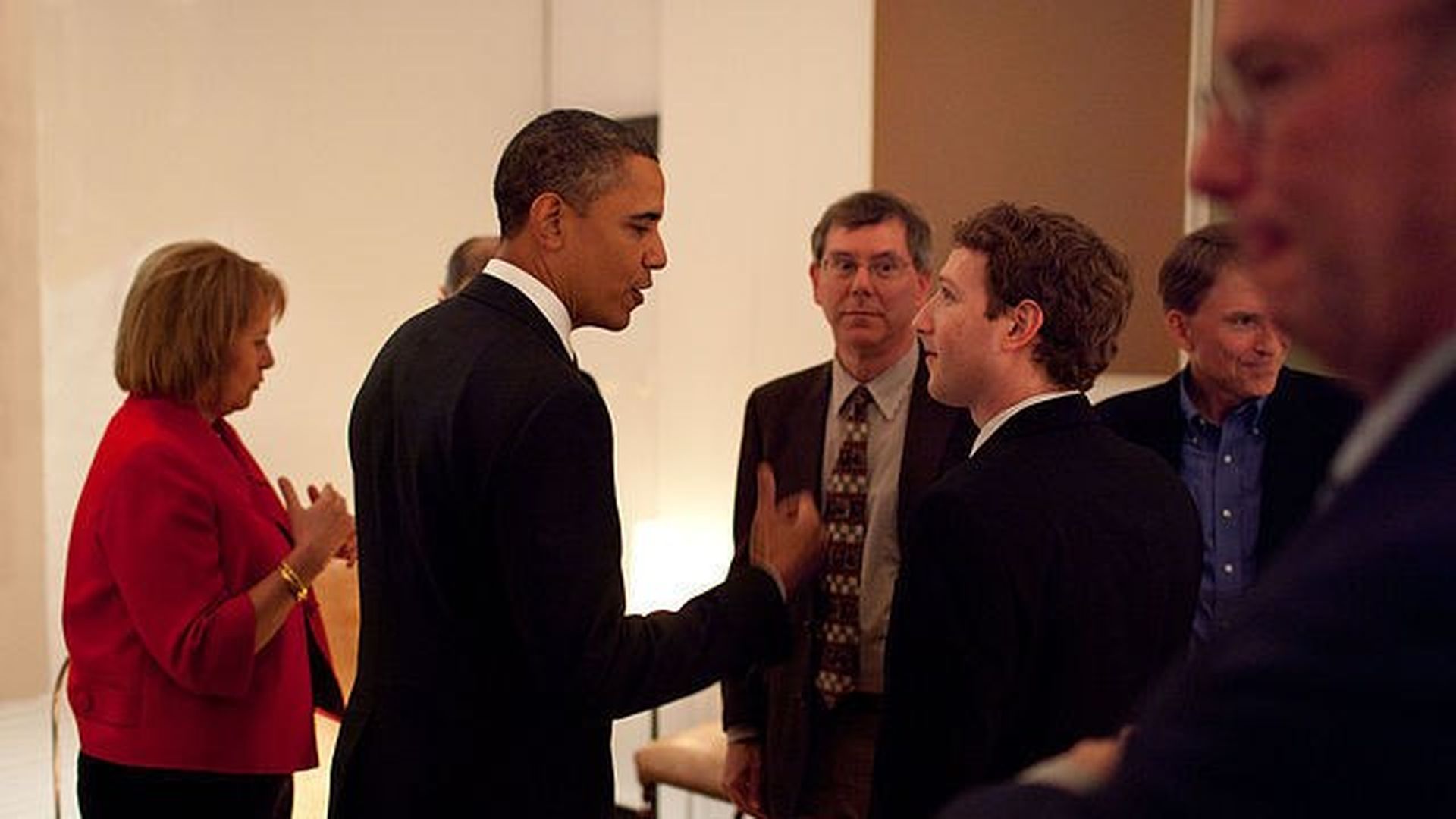
The Facebook founder's philanthropic group is bringing on some political muscle, hiring David Plouffe and Ken Mehlman.
Plouffe ran Obama's 2012 presidential campaign and came to Silicon Valley to advise Uber. He will remain on Uber's board. Mehlman managed the Bush campaign in 2004.
Here's how TechCrunch explains it: "With Plouffe running advocacy, CZI might have the storyteller it needs to inspire government, other philanthropists and the public to cooperate in harnessing the Zuckerberg fortune for the benefit of humanity."
Robert F. Kennedy, Jr. told reporters in Trump Tower today that PEOTUS asked him to chair a commission on vaccine safety.
Why this matters: Kennedy is famous for claiming a link between vaccines and autism — as has Trump. Many expected Trump to distance himself from his previous anti-vax statements, so this offer indicates that he may be doubling down on his position.
Trump also met today with his HHS pick Tom Price — a member of the Association of American Physicians and Surgeons, a non-profit that's previously published debunked research on vaccines.
Yahoo is already preparing for its next life as a holding company. Altaba is a combination of "alternative" and "Alibaba," the Chinese e-commerce company in which Yahoo has a 15% stake.
Why it matters: Yahoo was once an iconic Silicon Valley internet giant. Now it's little more than a funny name and a pile of stock in two Asian companies.
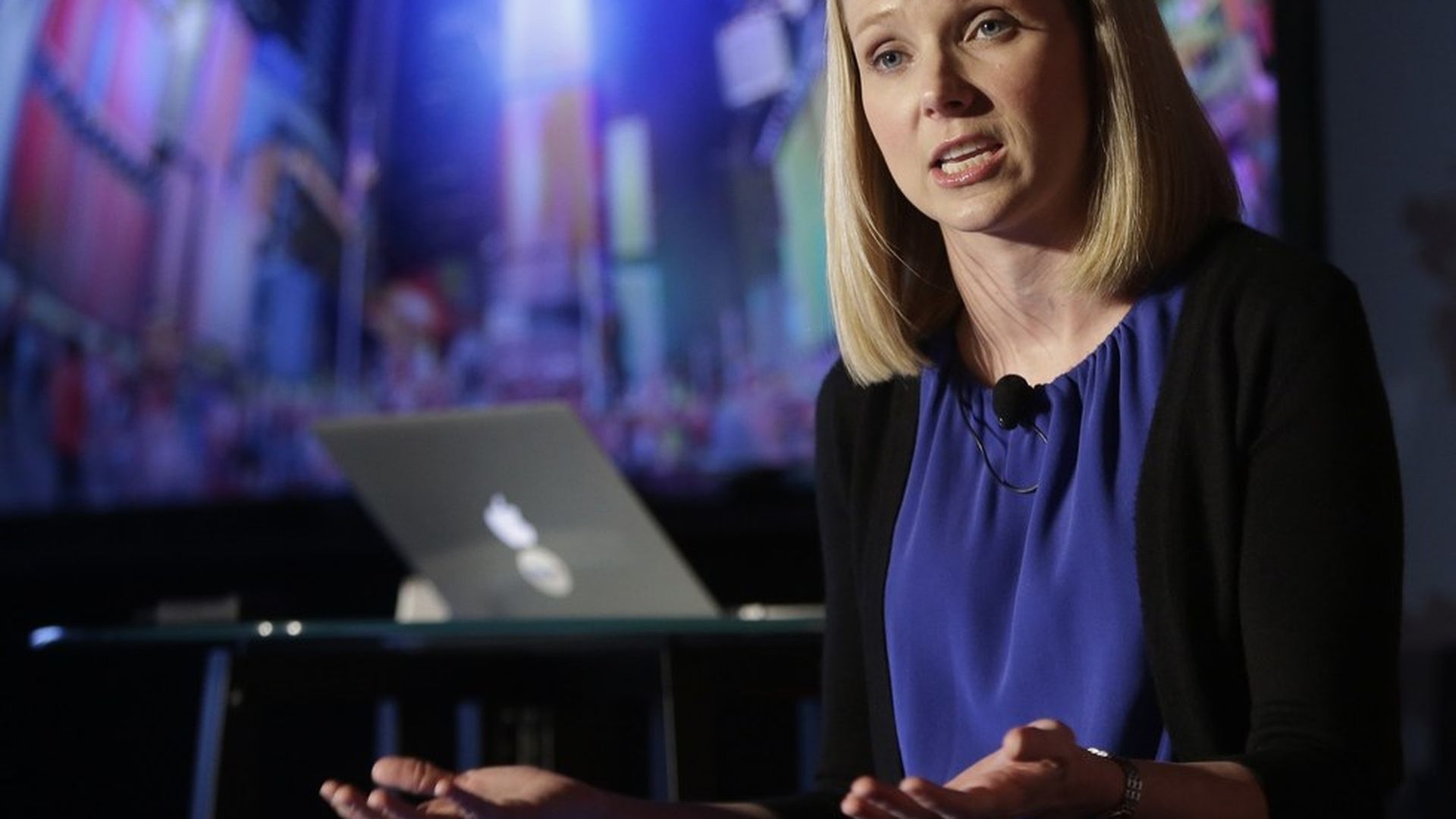
What's next: The Verizon sale still isn't a done deal. Yahoo recently admitted to two massive security breaches, and Verizon is already rumored to be asking for a discount. CEO Marissa Mayer will step down from the board once the sale is final.
An anonymous former exec at Washio — which tried to be Uber, but for laundry — had this to say to The Information's Tom Dotan about the company's downfall:
If you get really big and spend a bunch to acquire customers and lose money every time you order and the majority come back, you end up in a precarious situation.
Why it matters: It's a cautionary tale for the Ubers and the Postmates of the world, who hope their size will make up for the money they lose to customer giveaways. Uber lost more than $2 billion in the first three quarters of 2016.
But Washio's story shows that growth isn't a panacea — especially when customers expect discounted prices.