Tuesday's science stories

Scoop: CISA lacks access to Anthropic's Mythos
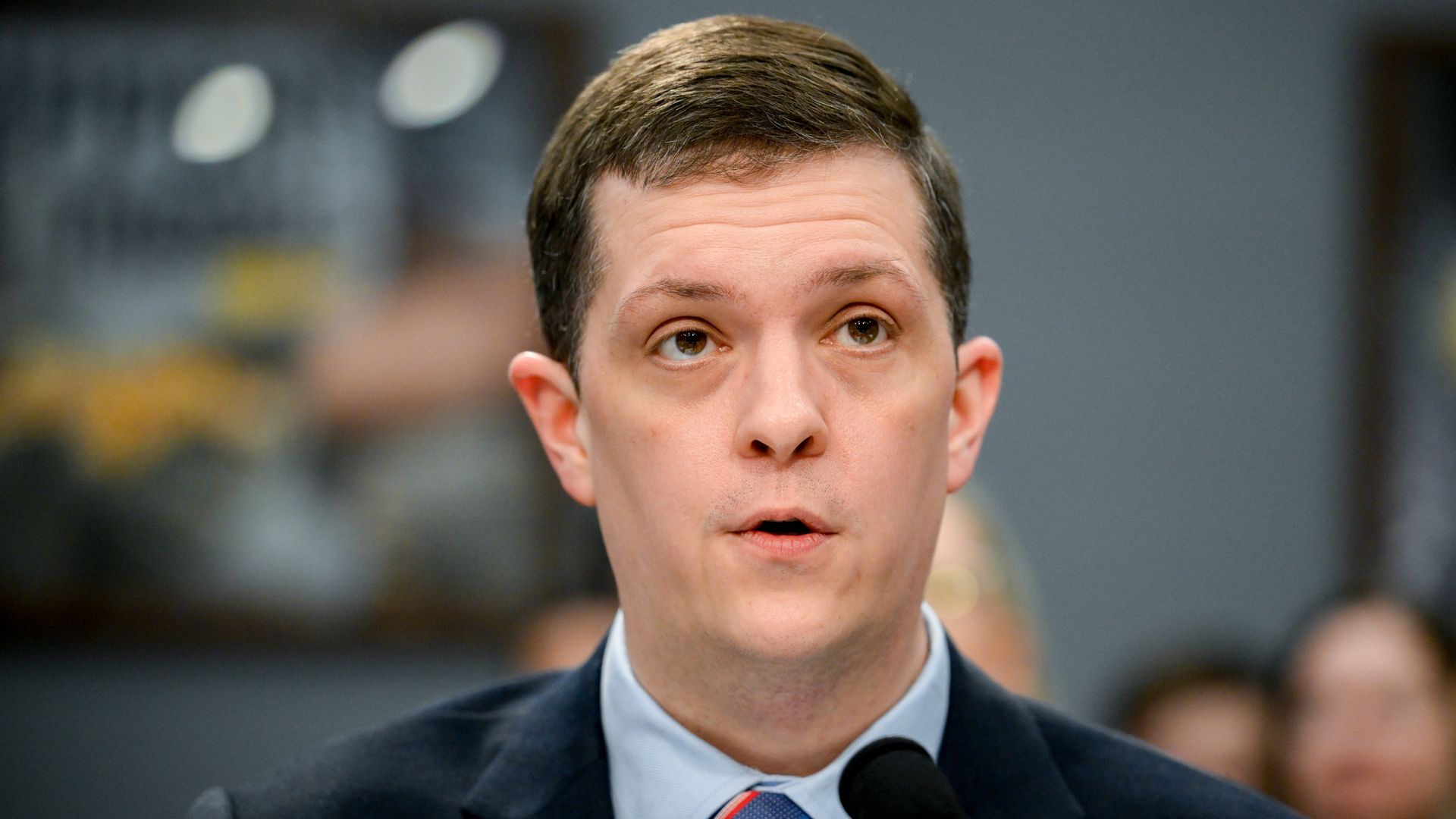
The Cybersecurity and Infrastructure Security Agency doesn't have access to Anthropic's powerful new Mythos Preview model, even though some other government agencies are using it, two sources tell Axios.
Why it matters: The country's top cyber defense agency, tasked with helping to secure everything from banks to power plants, is on the outside looking in at a time when the industries it works with are deeply concerned about AI-powered cyberattacks overwhelming their defenses.

Axios Live: Biotech advances face policy and funding obstacles, industry leaders say
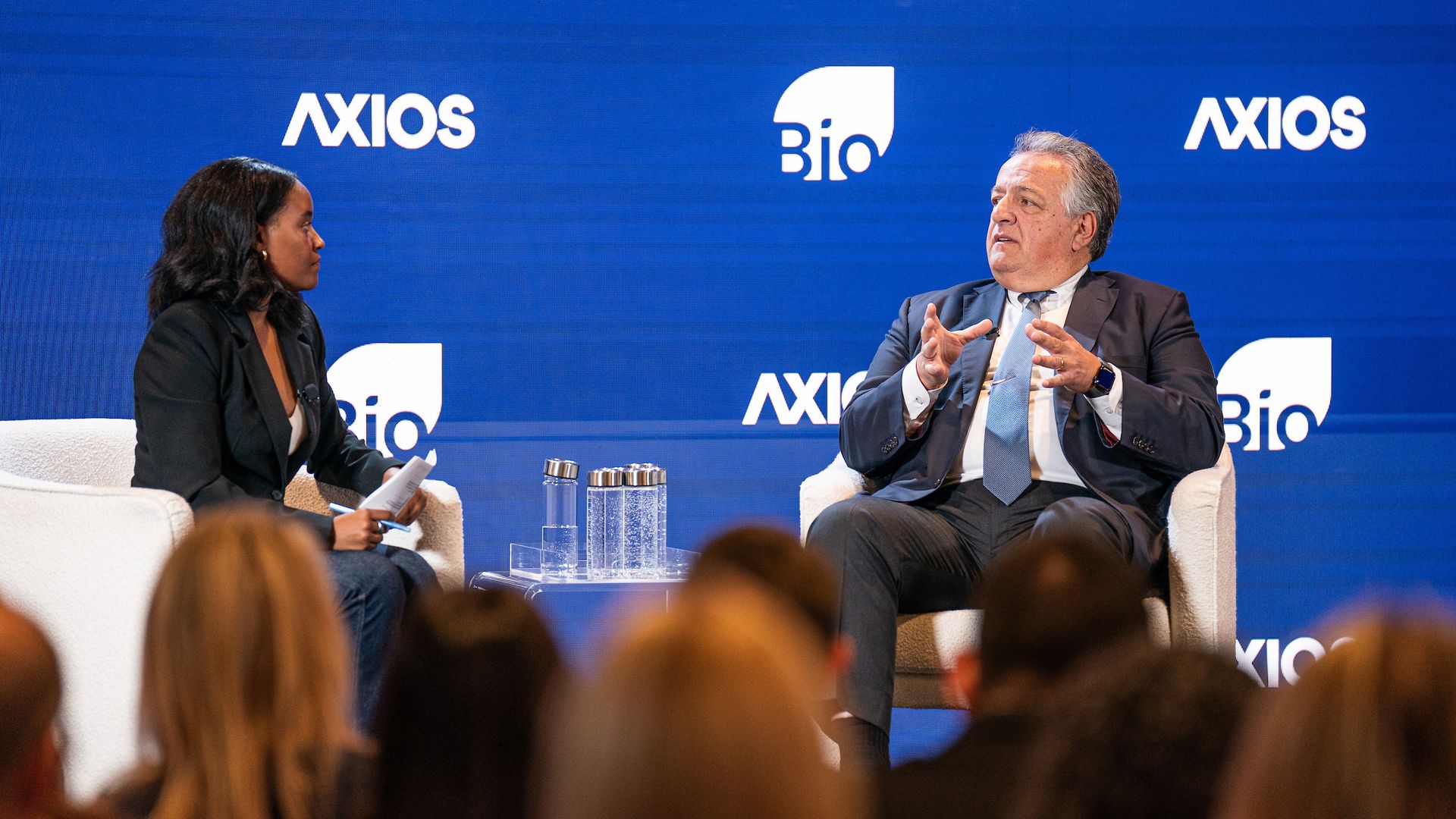
WASHINGTON — Biotech breakthroughs are within U.S. reach, but policy shifts and proposed funding cuts could slow how those advancements reach patients, health organization leaders warned at an April 16 Axios event.
Why it matters: Wavering commitment to public health innovation could undermine patient outcomes, weaken national security and impact the economy.
Axios' Courtenay Brown and Peter Sullivan moderated conversations with Rep. Diana DeGette (D-Colo.), Michael J. Fox Foundation chief scientist Mark Frasier, and Noubar Afeyan, founder and CEO of Flagship Pioneering and co-founder and board chairman of Moderna. The event was sponsored by the Biotechnology Innovation Organization (BIO).
Driving the news: The White House proposed a budget in early April that would slash funding for scientific research and education.
What they're saying: Biomedical research should be a long-term, nonpartisan, and patient-driven investment.
- The U.S. doesn't need a pandemic like COVID-19 "to treat something seriously with urgency and collaboration," Afeyan said.
- Illness doesn't discriminate by political affiliation. "Biomedical research affects every family in America," DeGette said.
Stunning stat: Parkinson's disease alone is an $82 billion economic burden in the U.S., Frasier said.
State of play: The U.S. faces growing global competition, especially in China, where Afeyan said biotech is advancing quickly because it has the human capital, rapid iteration, and streamlined regulation.
- "The gap is closing — maybe in some areas the gap has actually gone the other way," he said, describing a race the U.S. can't afford to take for granted.
- The U.S. doesn't want to lose its biotech edge "if we face either man-made threats … or natural threats," he added.
What's next: DeGette said there is already quiet oversight and some Democrats are elevating science concerns during congressional hearings and HHS leadership discussions.
- Advocacy organizations are centering patient voices, incorporating patient feedback into clinical trial design and focusing on metrics that patients have identified as priorities, according to Frasier.
- On the 250th anniversary of America's founding, "we've got to take a breath and say … what defines us?" Afeyan said. "What do we want to protect, and how do we continue competing?"
Content from the sponsor's segment:
In a View From the Top segment, BIO president and CEO John Crowley told Axios COO Allison Murphy that we are "at an inflection point for our society."
- "What's on the horizon today comes back to that individual [and] that family in need," he said. "The hope that they look for is most often hope that's been worked on for years in our universities."
- "What we try to do at BIO is … more science, more medicine, more innovation … [and] make sure that everybody has access."

Exclusive: Rockefeller Foundation's $100M jobs bet targets AI disruption

The Rockefeller Foundation is putting $100 million toward helping U.S. workers adapt to tech-driven changes to the labor market, the group exclusively told Axios.
Why it matters: AI is already reshaping jobs that local economies depend on. Whether private-sector efforts like this can scale fast enough may help determine if the technology widens or narrows American economic divides.

Exclusive: Saildrone is building a 170-foot unmanned sub-hunter
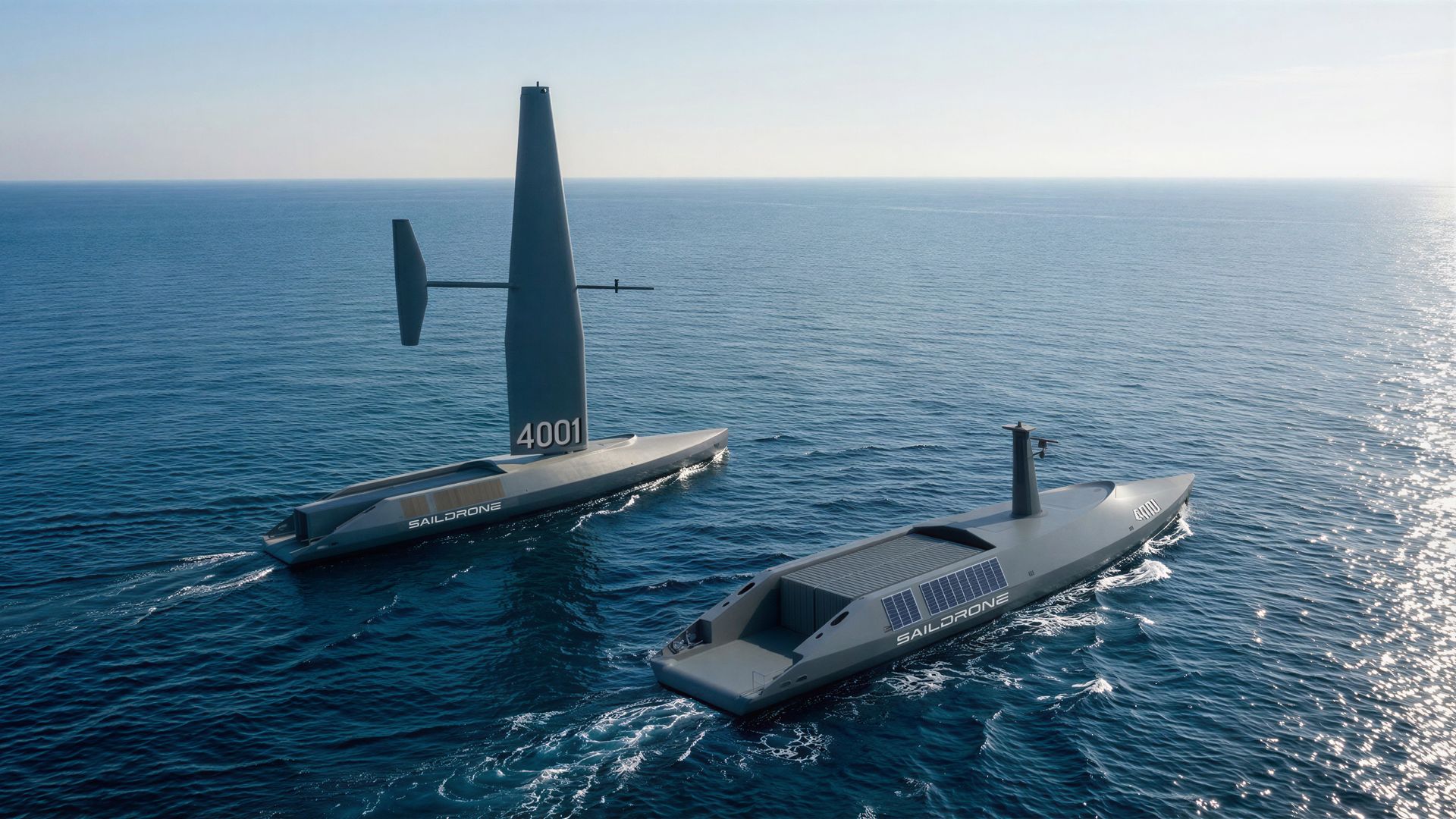
Saildrone on Monday unveiled Spectre, a 170-foot unmanned surface vessel the company says is optimized for anti-submarine warfare, far-flung surveillance and missile launches.
Why it matters: The design is the culmination of more than a decade of experience working alongside scientists, border agencies and militaries, according to CEO Richard Jenkins.
- "Arctic, Antarctic, High North, Southern Ocean, hurricanes — we did thousands of iterations to toughen our vehicles," he told Axios ahead of the Sea-Air-Space conference in Maryland.