Wednesday's science stories

New designation: "Bird-friendly" beef
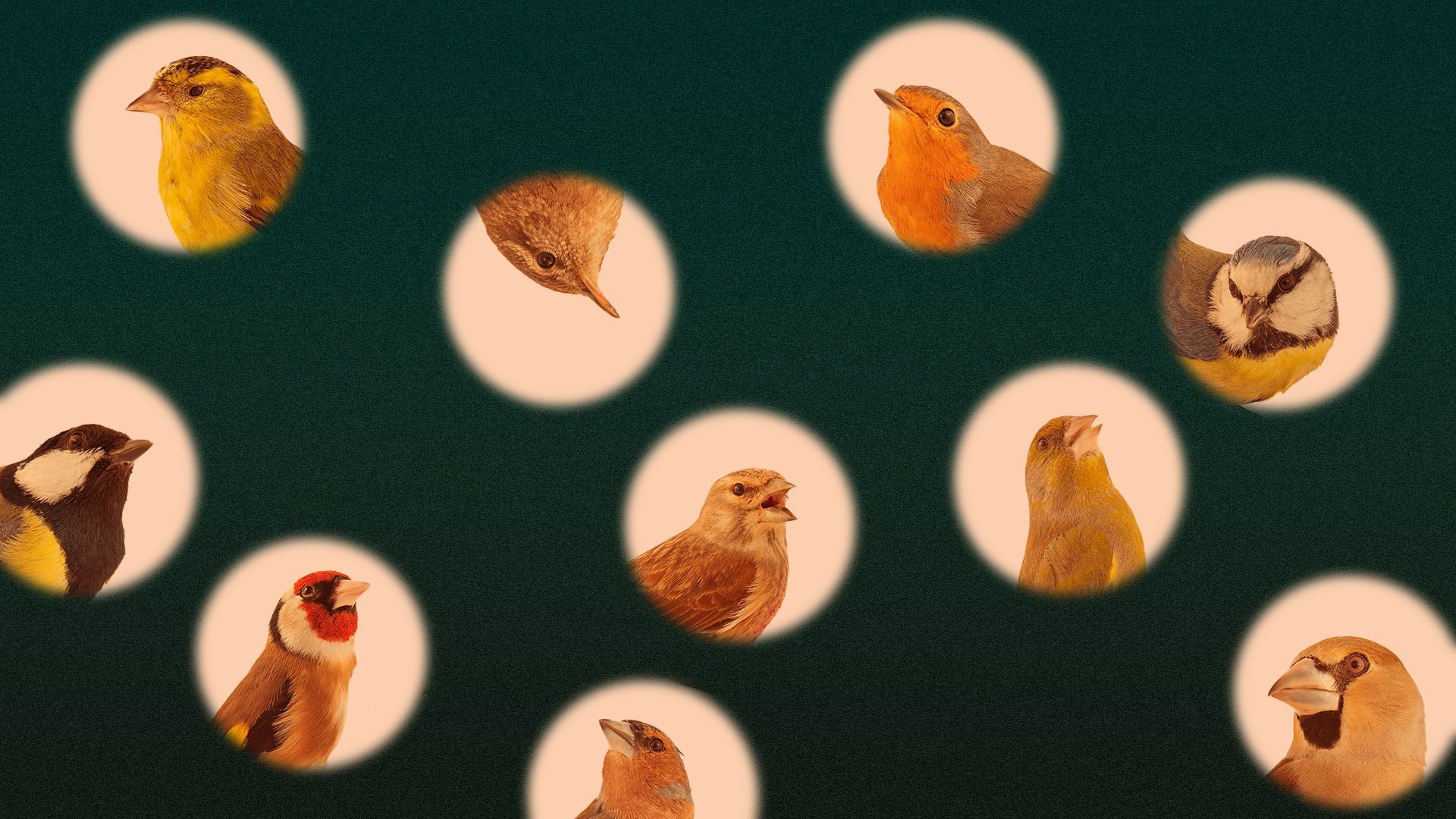
The National Audubon Society is introducing a new certification program: Cattle ranchers who can show that their ecological practices will restore bird populations will earn the designation "bird-friendly beef" for their products.
- Three billion North American birds have perished since the 1970s, and global warming may push many more to the brink of extinction, per Audubon.
- Audubon created a "bird-friendliness index" to evaluate conservation success in grasslands, where bird populations are particularly hard-hit.
Why it matters: Instead of making war on ranchers and encouraging people to boycott red meat, Audubon is launching its "Conservation Ranching Initiative," which it calls a "market-based conservation approach [that] offers incentives for good grassland stewardship through a certification label on beef products."
- For the first time, Audubon says, consumers "can contribute to grassland conservation efforts by selectively purchasing beef from Audubon-certified farms and ranches."
What they're saying: "It’s a quietly radical move," according to The Counter, a food industry news site. "Historically, U.S. wildlife conservation efforts have focused on preserving habitat."
- "But Audubon’s new strategy is specifically geared toward improving the environmental value of working lands, implying that 'nature' and 'agriculture' are not mutually exclusive entities."
The bottom line: Bird populations decline when pesticides are applied to fields, and tend to return once landscapes are "re-wilded."
- "In exchange for going through the ropes, ranchers with lands certified by Audubon receive the organization’s 'raised on bird-friendly land' seal to leverage sales of their beef for environmentally conscious consumers," The Counter says.

Once-in-a-decade report urges NASA to explore Uranus
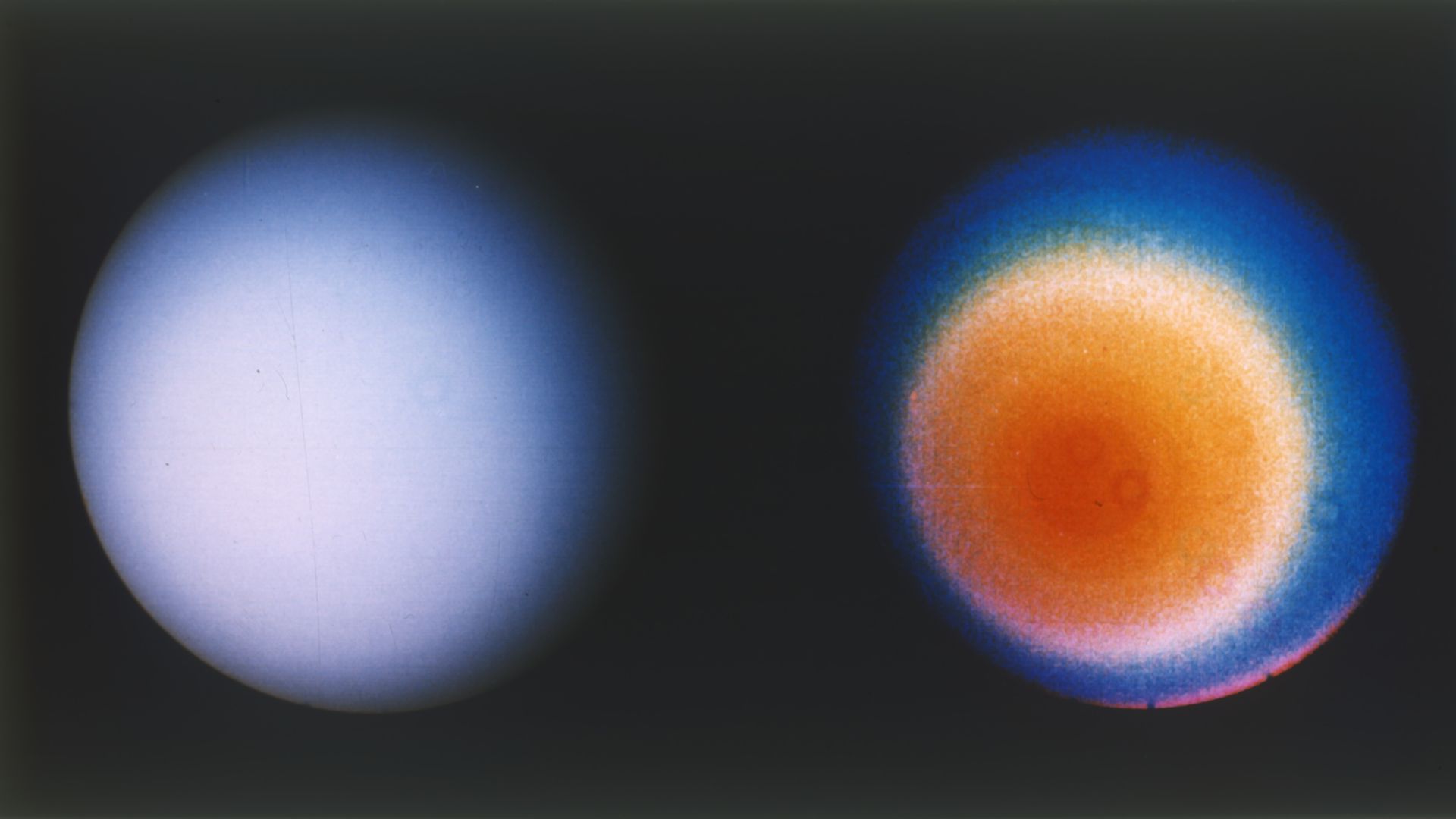
A once-in-a-decade report out Tuesday recommended NASA and other space agencies study the planet Uranus within the next decade to better understand giant icy worlds in our solar system and beyond.
Why it matters: Proposals published today by the National Academies of Sciences, Engineering, and Medicine are not binding, but they are influential and often guide federal funding toward future space missions.
Harris: U.S. will no longer test anti-satellite missiles

The U.S. will no longer test direct-ascent anti-satellite (ASAT) missiles in space because of the dangers of the space debris created by them, Vice President Kamala Harris announced at Vandenberg Space Force Base Monday.
Why it matters: Harris condemned Russia's ASAT test in November, which generated at least 1,500 pieces of debris that threatened the International Space Station and its crew and could go on to threaten other satellites.