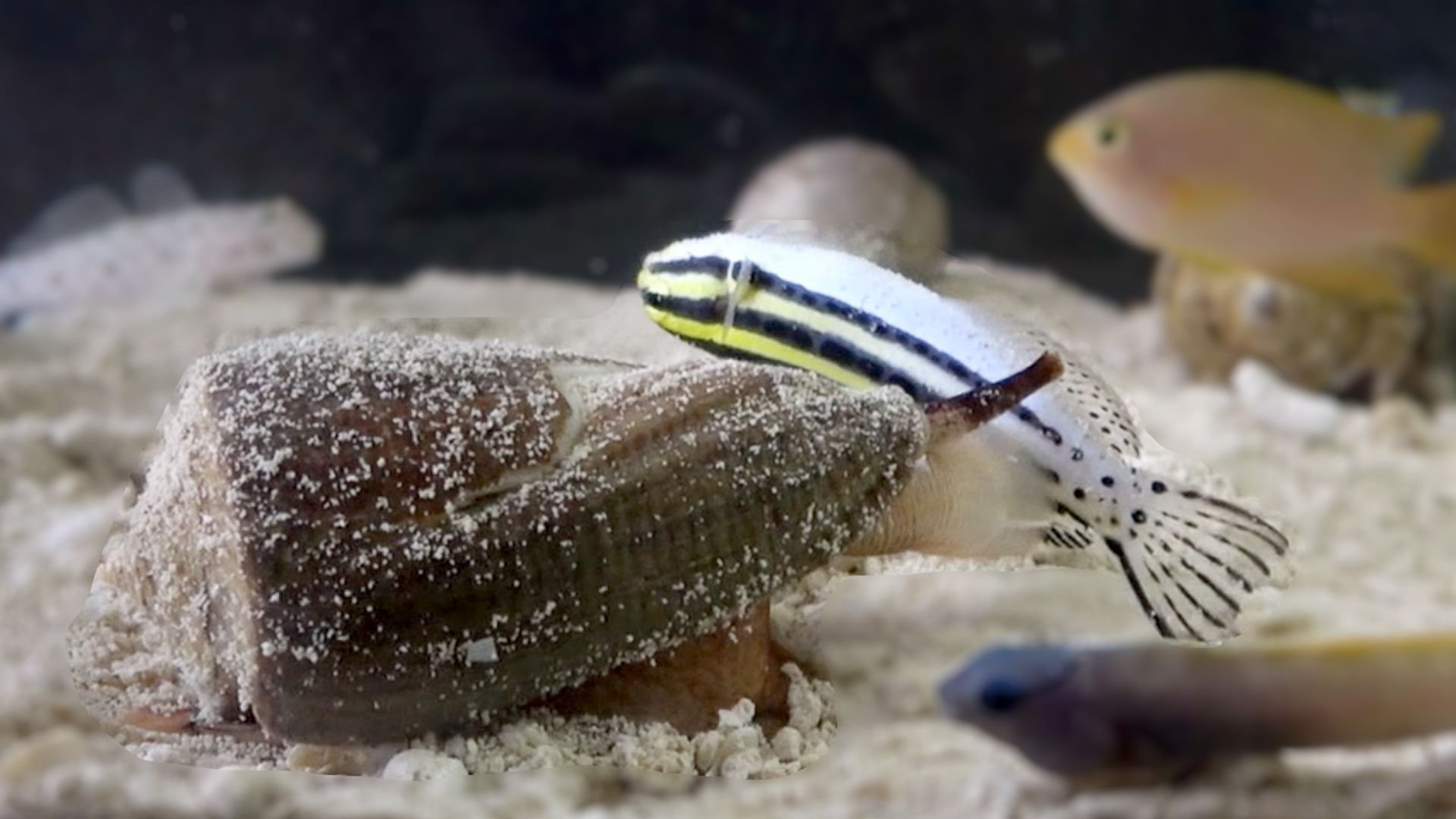
The potent venom of a cone snail that lives deep in the ocean contains a pain-suppressing compound, scientists reported this week.
Why it matters: The compound is similar to a hormone that inhibits pain in the human body, but the snail version lasts far longer and could be used to help develop new pain medicines.
More than 1,000 residents were evacuated on Saturday after the Philippines' Taal volcano spewed a 1.5-kilometer plume, Reuters reports.
Driving the news: The Taal volcano, located approximately 45 miles south of central Manila, received a level 3 alert on a 5-level scale. That means "there is magmatic intrusion at the main crater that may further drive succeeding eruptions," per Reuters.
A longstanding debate about whether animals have emotions and feelings is being reshaped by new tools and concepts.
Why it matters: Understanding whether non-human animals have emotions — and how they are formed if they do — could provide new insights into the mental health of humans.
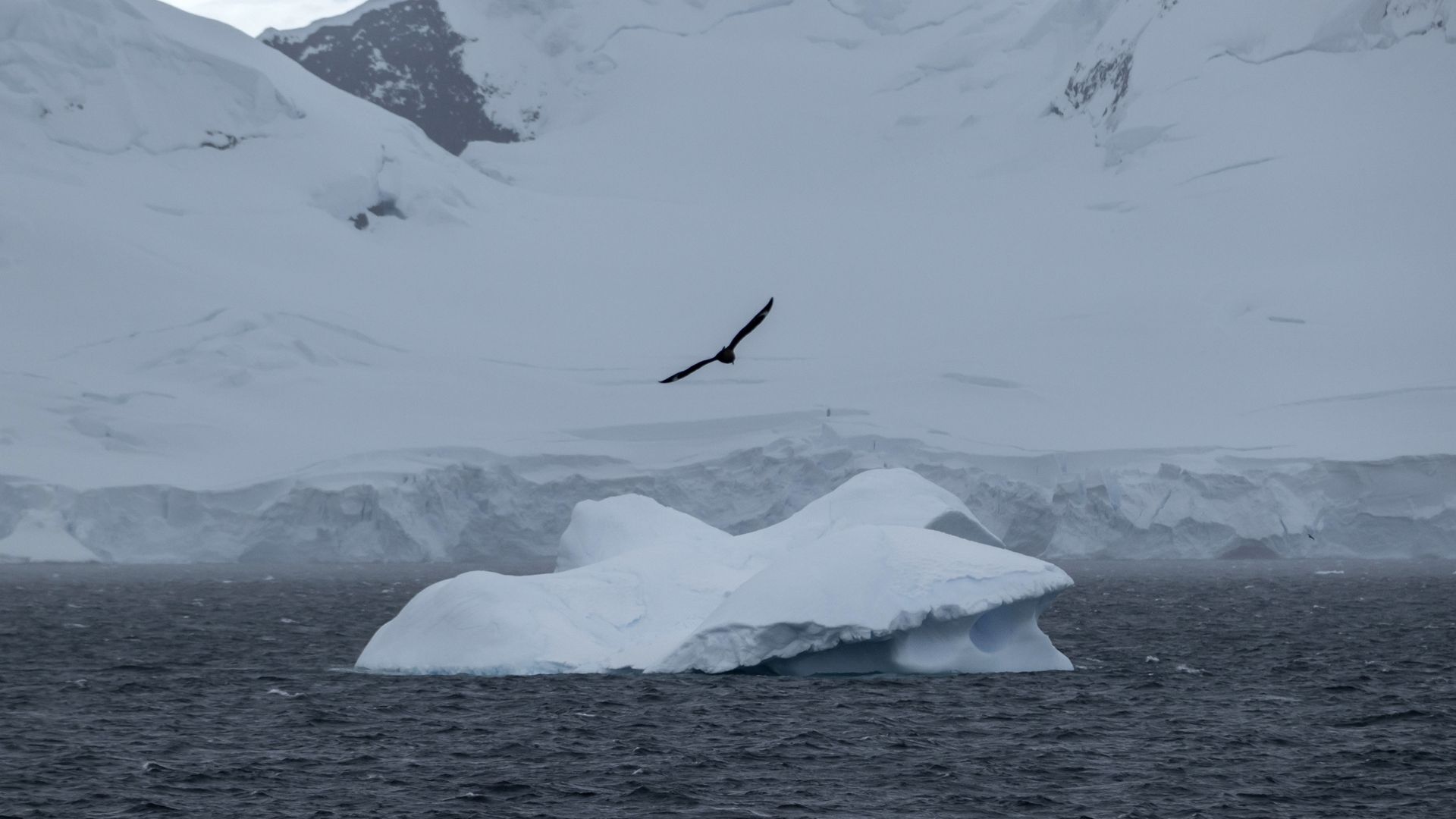
Scientists said Friday that an ice shelf the size of New York City has collapsed in East Antarctica after record high temperatures.
Why it matters: This marks the first time in human history that an ice shelf collapsed in the region, which had long been considered stable and less vulnerable to climate change. If the water frozen in East Antarctica melts, it would raise sea levels more than 160 feet around the world, according to AP.
Elizabeth Holmes tried to convince jurors that she didn't defraud Theranos investors. But, were they to disagree, then she argued coercion by former business partner and boyfriend Sunny Balwani.
The jury disagreed, in January finding Holmes guilty. Now a different San Jose, California, jury is getting a crack at Balwani.



/2022/03/24/1648121000870.gif?w=3840)